First-Time Visitor’s Guide to Ijen Crater: Why Most People Get the Hike Wrong (2026)
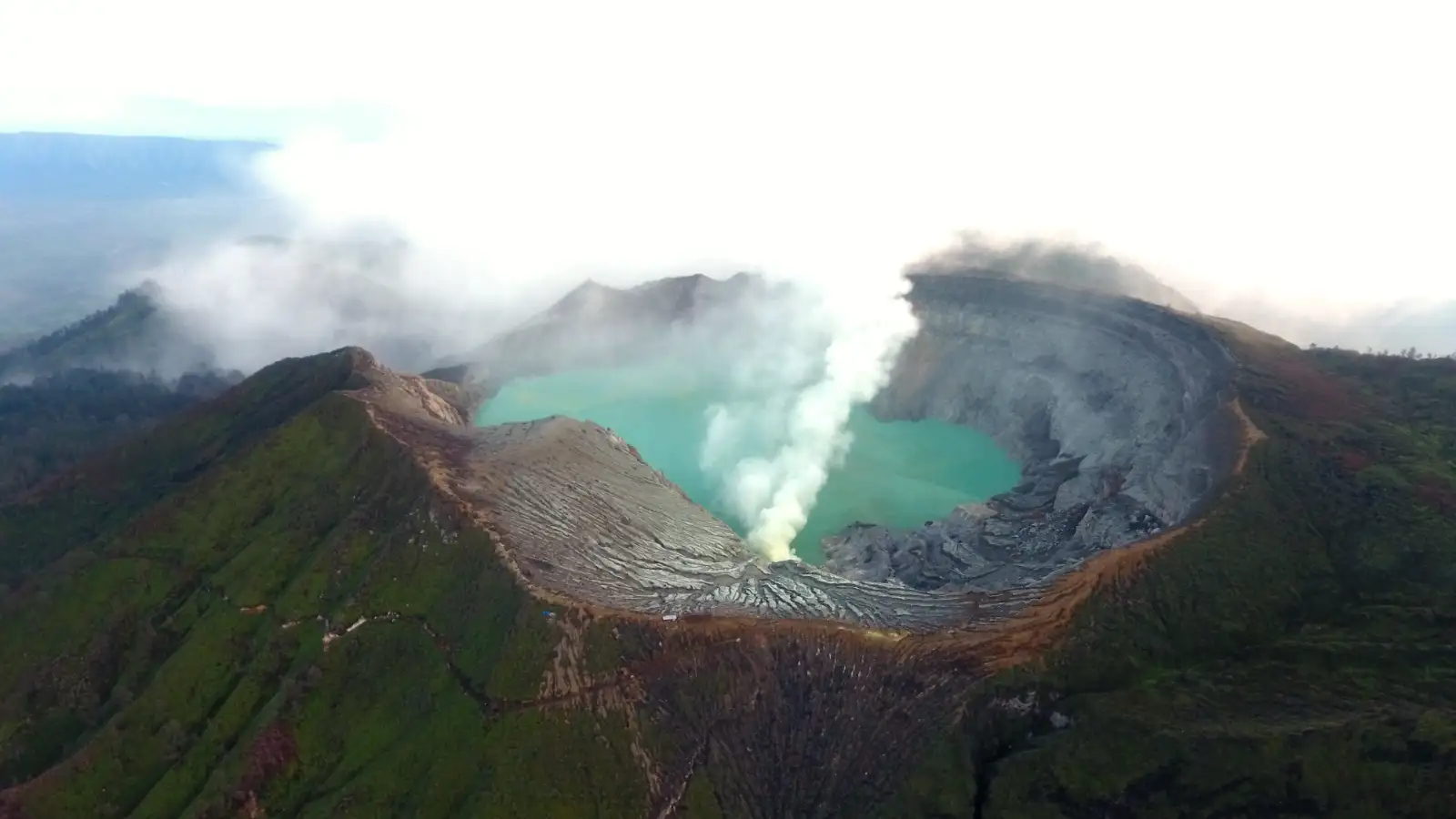
Standing on the rim of Mount Ijen at 2:00 AM feels like stepping onto a different planet. Specifically, the air smells of sulfur, the ground is steep, and the darkness is only broken by the faint glow of headlamps. Furthermore, many backpackers arrive unprepared for the sheer physical toll this East Java trek demands.
Fortunately, our expert travel logistics take the guesswork out of the climb. Consequently, you can focus on the mesmerizing blue fire phenomenon instead of worrying about transport or safety gear. Meanwhile, this guide will break down the essential preparations every first-timer needs to survive and thrive.
What You Need to Know
Physical Level: Moderate to Challenging. Expect a steep 3km ascent followed by a rocky descent into the crater.
Key Attraction: The world’s largest acidic lake and the rare electric Blue Fire phenomenon.
Pro Tip: Always hire a local guide to ensure you navigate the sulfur clouds safely and reserve your spot today to avoid peak-season sell-outs.
In This Guide
Why Trust This Guide
Logistics: Getting to Kawah Ijen
The Hike: What to Expect at Midnight
Safety and Gear Essentials
Entrance Fees and Costs
Frequently Asked Questions
Why Trust This Guide
Our team consists of veteran Indonesian explorers who have summited Ijen hundreds of times. Therefore, we provide first-hand insights that generic travel blogs often miss. Moreover, we maintain direct contact with local authorities at the Ijen UNESCO Global Geopark to ensure our data remains accurate.
Real Boots-on-the-Ground Experience
Specifically, we monitor volcanic activity reports daily to keep our guests safe. In addition, we support the local sulfur mining community by integrating ethical tourism practices into every trek. Ultimately, your safety and the preservation of this natural wonder are our top priorities.
Logistics: Getting to Kawah Ijen
Reaching the Ijen plateau requires a journey to the eastern tip of Java. Most travelers choose between staying in Banyuwangi or Bondowoso. First, Banyuwangi offers the most convenient access for those coming from Bali by ferry. Consequently, it has become the primary hub for backpackers looking to check current availability for local transfers.
Coming from Bali or Surabaya
If you are traveling from Bali, the ferry from Gilimanuk to Ketapang runs 24/7. However, navigating the local bus system at night can be incredibly frustrating. Meanwhile, travelers coming from Surabaya can take a scenic 6-hour train ride to reach Banyuwangi City. Because of the long travel times, we recommend arriving at least 12 hours before your midnight hike starts.
The Hike: What to Expect at Midnight
The journey begins at the Paltuding base camp, where you will register and start the ascent. Specifically, the first 2 kilometers are the most taxing due to the steep incline. Moreover, the dusty trail can be slippery, especially during the transition between the wet and dry seasons. Therefore, wearing sturdy hiking boots is not just a suggestion—it is a necessity.
The Descent into the Crater
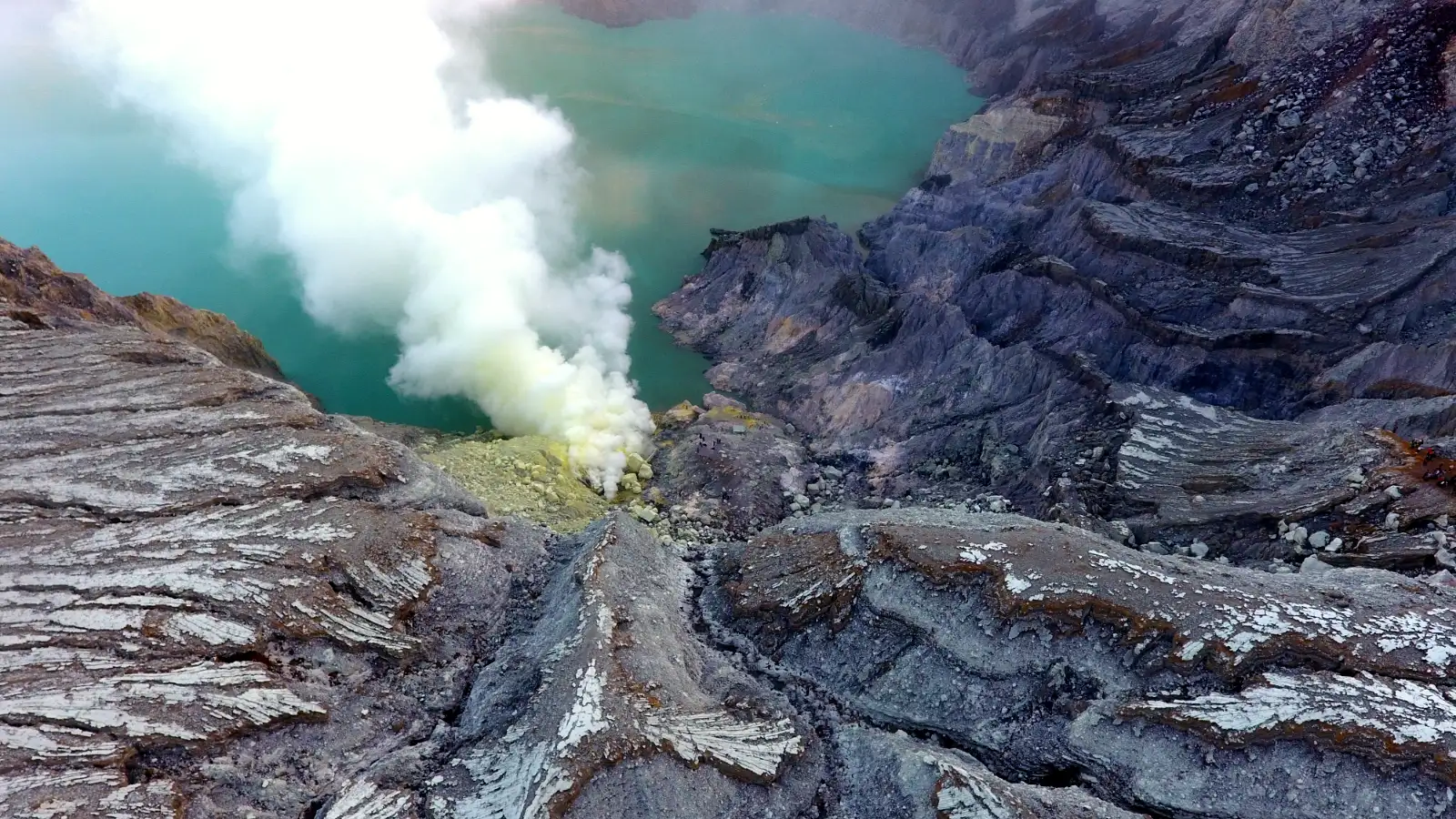
Once you reach the rim, the real challenge begins if you wish to see the blue fire. Specifically, you must navigate a narrow, rocky path down 800 meters into the crater floor. Furthermore, this area is where the sulfur gases are most concentrated. In reality, this part of the hike requires extreme caution and a high-quality gas mask.
Important Update: The appearance of the Blue Fire at Ijen Crater is highly unpredictable. It depends heavily on daily volcanic activity, gas density, and weather conditions. It is sometimes clearly visible, and sometimes not visible at all. To avoid disappointment, please contact us via WhatsApp to check the latest daily updates before you hike.
Witnessing the Sunrise
After viewing the blue flames, most hikers climb back to the rim for the Kawah Ijen sunrise. As a result, the turquoise acid lake slowly reveals itself as the darkness fades. This panoramic view is arguably the most photographed spot in East Java. View our comprehensive package to see how we time our climbs for the best light.
🔥 Featured Expedition
Join the most trusted local team for a deep-dive into the volcanic wonders of East Java. We provide premium gear and expert storytelling to make your journey unforgettable.
Safety and Gear Essentials
Proper preparation is what separates a dream trip from a nightmare. Specifically, your respiratory health is the biggest concern due to the high concentration of sulfur dioxide. Therefore, using a professional-grade respirator mask with a multi-gas filter is non-negotiable. Furthermore, many cheap masks rented at the base camp do not provide adequate protection for sensitive lungs.
Clothing and Temperature Control
Temperatures at the summit can drop to 5°C (41°F) before sunrise. Consequently, layering is the most effective way to stay comfortable during the strenuous climb and the freezing wait for dawn. In addition, many first-timers forget that they will sweat during the ascent, making them even colder once they stop moving. Book your midnight trek with us to receive a full packing checklist.
Entrance Fees and Costs
Budgeting for Ijen is straightforward if you know the official rates. Currently, the entrance fee for international visitors is significantly higher than for domestic tourists. Specifically, prices differ between weekdays and weekends. Below is a breakdown of the standard costs you should expect at the Paltuding gate.
| Expense Category | Estimated Cost (IDR) | Notes |
|---|---|---|
| International Entry (Weekday) | 100,000 | Per person per day |
| International Entry (Weekend) | 150,000 | Includes public holidays |
| Professional Gas Mask Rental | 50,000 | Available at base camp |
| Local Hiking Guide | 250,000 – 400,000 | Highly recommended for safety |
Hidden Costs to Consider
In addition to entry fees, you must factor in the cost of a health certificate. Specifically, local regulations require all hikers to undergo a basic medical check-up at a local clinic in Banyuwangi. These certificates usually cost around 25,000 to 50,000 IDR. See pricing details for our all-inclusive packages that cover these administrative hurdles.
Continue Your Adventure
Once you have conquered the sulfur clouds of Ijen, East Java has much more to offer. You could embark on a convenient Ijen tour from Bali for a seamless island-to-volcano transition. Alternatively, a direct Ijen tour from Banyuwangi is perfect for those arriving by train. For the ultimate volcanic experience, consider the Bromo Ijen tour 3 days package to see both icons. Travelers heading from the capital often prefer a Bromo Ijen tour from Surabaya for maximum efficiency. Finally, don’t miss the chance to experience the Ijen blue fire tour specifically designed for photography enthusiasts.
Frequently Asked Questions
Q: Is Ijen Crater safe for solo travelers?
A: Yes, it is generally safe, but hiring a local guide is strongly advised due to the unpredictable gas clouds and difficult terrain. Understanding the local weather and volcanic patterns is key to a safe solo journey.
Q: When is the best time of year to visit?
A: The dry season, from April to October, offers the clearest skies and most stable trails. During the rainy season, trails become dangerously slippery and clouds may obstruct the sunrise.
Q: How difficult is the hike for beginners?
A: The hike is moderate. While you don’t need expert climbing skills, a basic level of fitness is required to handle the 2-hour uphill trek. Learning about the sulfur miners who do this daily with 80kg loads often provides the motivation needed to finish!
Q: Do I really need a gas mask?
A: Absolutely. Sulfur dioxide can cause immediate respiratory distress, coughing, and eye irritation. A high-quality respirator is your most important piece of safety equipment.
Q: Can I visit Ijen without a tour?
A: Yes, but organizing transport to Paltuding at midnight is notoriously difficult. Most independent travelers find that booking an organized transfer saves significant time and stress.
Final Thoughts on the Ijen Experience
Visiting Kawah Ijen is a transformative experience that challenges your body and rewards your soul. Specifically, the contrast between the harsh mining environment and the ethereal beauty of the lake is profound. Therefore, taking the time to prepare properly ensures you can fully appreciate this natural wonder.
Moreover, choosing the right local partner makes all the difference in navigating the logistics of East Java. Ultimately, you are here to create memories that last a lifetime, not to struggle with taxi drivers or outdated maps. Because of this, we invite you to join our family of explorers.
Ready to Witness the Blue Fire?
Don’t leave your bucket-list adventure to chance. Secure your professional guide and transport today.