Mount Ijen Weather [2026 Update]: The Ultimate Expert Hiking Guide
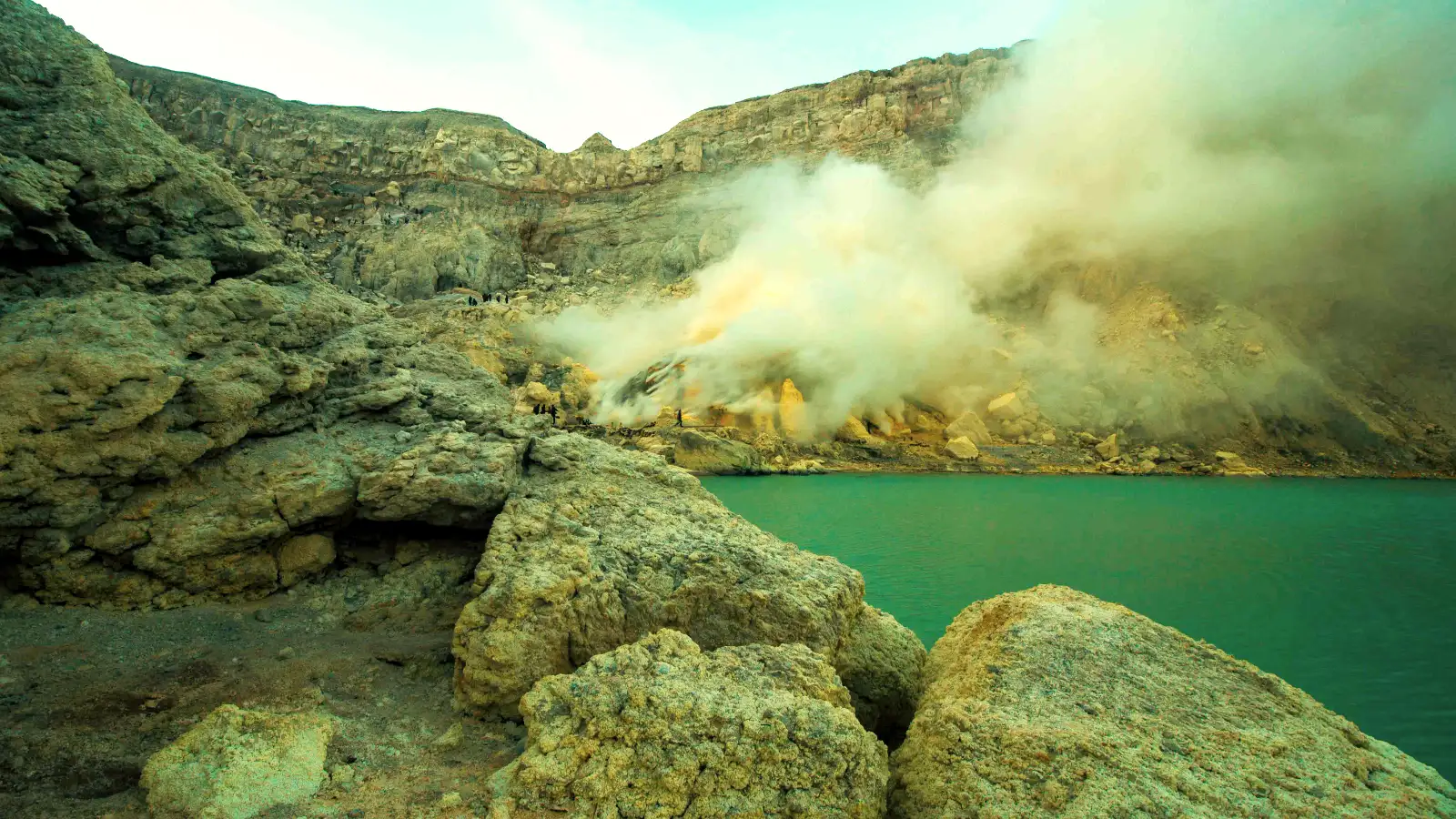
Standing at the base of a volcano at 2:00 AM in biting cold can feel intimidating. Specifically, many travelers worry that unpredictable mount ijen weather might ruin their chance to see the legendary Blue Fire. However, with the right preparation, you can navigate these conditions like a pro.
Therefore, we have designed this guide to ensure your adventure remains safe and spectacular. If you want to maximize your success, you should check current availability for our expert-led expeditions before the peak season begins.
What You Need to Know
💡 Quick Summary: The best ijen weather occurs during the dry months when visibility is at its peak. Temperatures often drop to 5°C (41°F) at the summit, so layering is essential for comfort.
Moreover, it is vital to view our comprehensive package to see how we handle logistics during shifting weather patterns.
In This Guide
• Why Trust This Guide
• Seasonal Weather Breakdown
• Maximizing Visibility at Ijen
• Packing for Volcanic Conditions
• Frequently Asked Questions
Why Trust This Guide
Our team lives and breathes the landscapes of East Java. Consequently, we have guided thousands of hikers through every possible iteration of weather at mount ijen over the last decade. Furthermore, we monitor volcanic activity and meteorological data daily to provide real-time advice to our guests.
Expertise in the Field
As a recognized partner of the Ijen UNESCO Global Geopark, we prioritize education and safety above all else. In addition, our local guides are trained to read the clouds and wind patterns that others might miss. Specifically, this local knowledge is what differentiates a “good” hike from a truly “legendary” one.
Seasonal Weather Breakdown
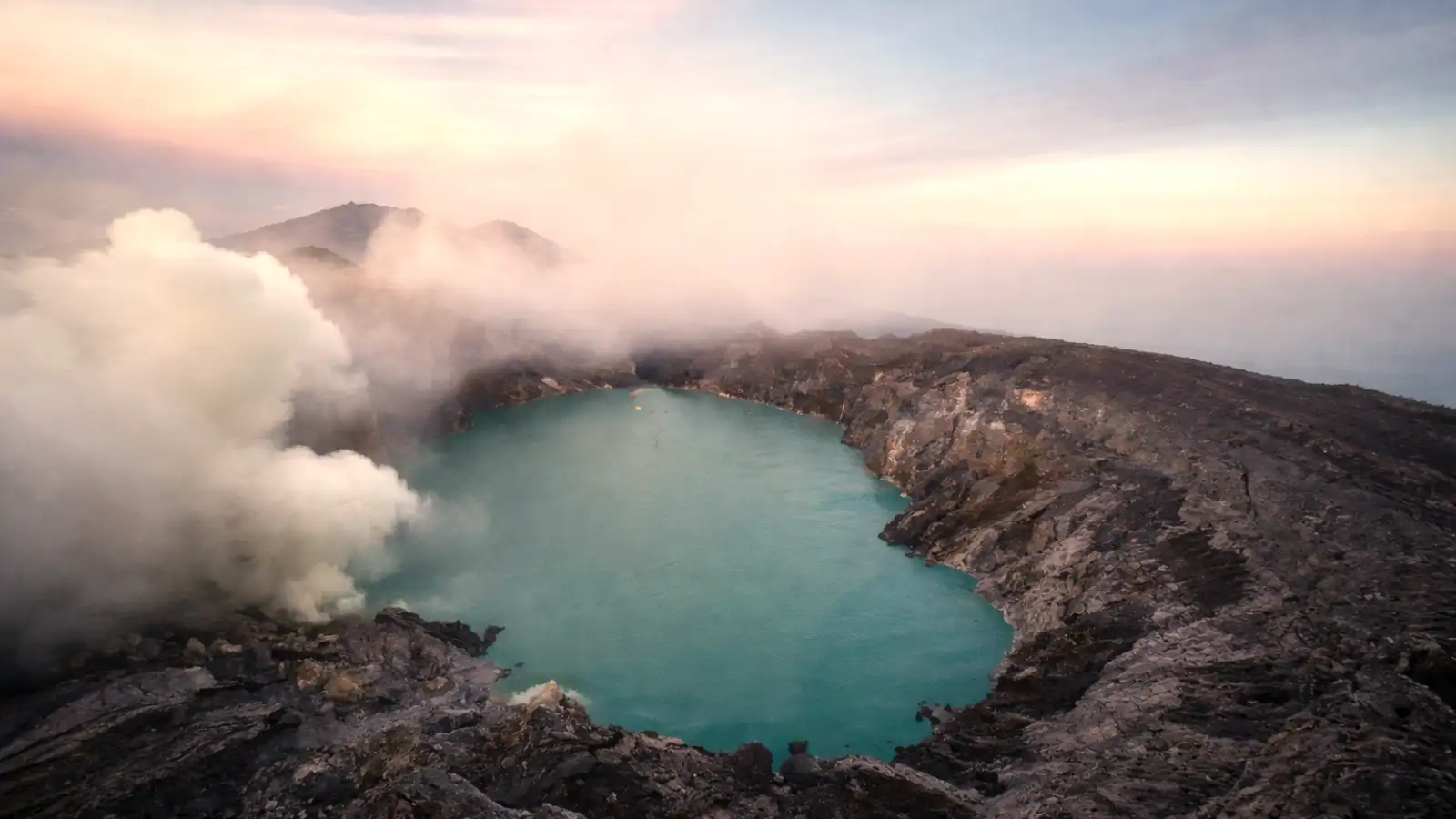
Understanding the two primary seasons in Indonesia is the first step toward a successful trek. Specifically, the dry season at ijen usually runs from April to October. Therefore, this window offers the most stable conditions for nighttime hiking and crater exploration.
The Golden Window: Dry Season
During these months, you can expect clear skies and crisp air. Moreover, the visibility at ijen is significantly higher, allowing for that iconic view of the turquoise lake. As a result, this is the most popular time for photographers and luxury travelers seeking the perfect sunrise shot.
The Lush Challenge: Rainy Season
Conversely, the rainy season at ijen occurs between November and March. However, this doesn’t mean you should cancel your trip. In reality, it often rains in the late afternoon, leaving the early morning hours surprisingly clear. That said, the trails can become slippery, which is why you should reserve your local guide to ensure a safe ascent.
🔥 Featured Expedition
Experience the magic of the blue flames and the world’s largest acidic lake with our most popular guided trek. We handle everything from transport to safety gear so you can focus on the views.
Maximizing Visibility at Ijen
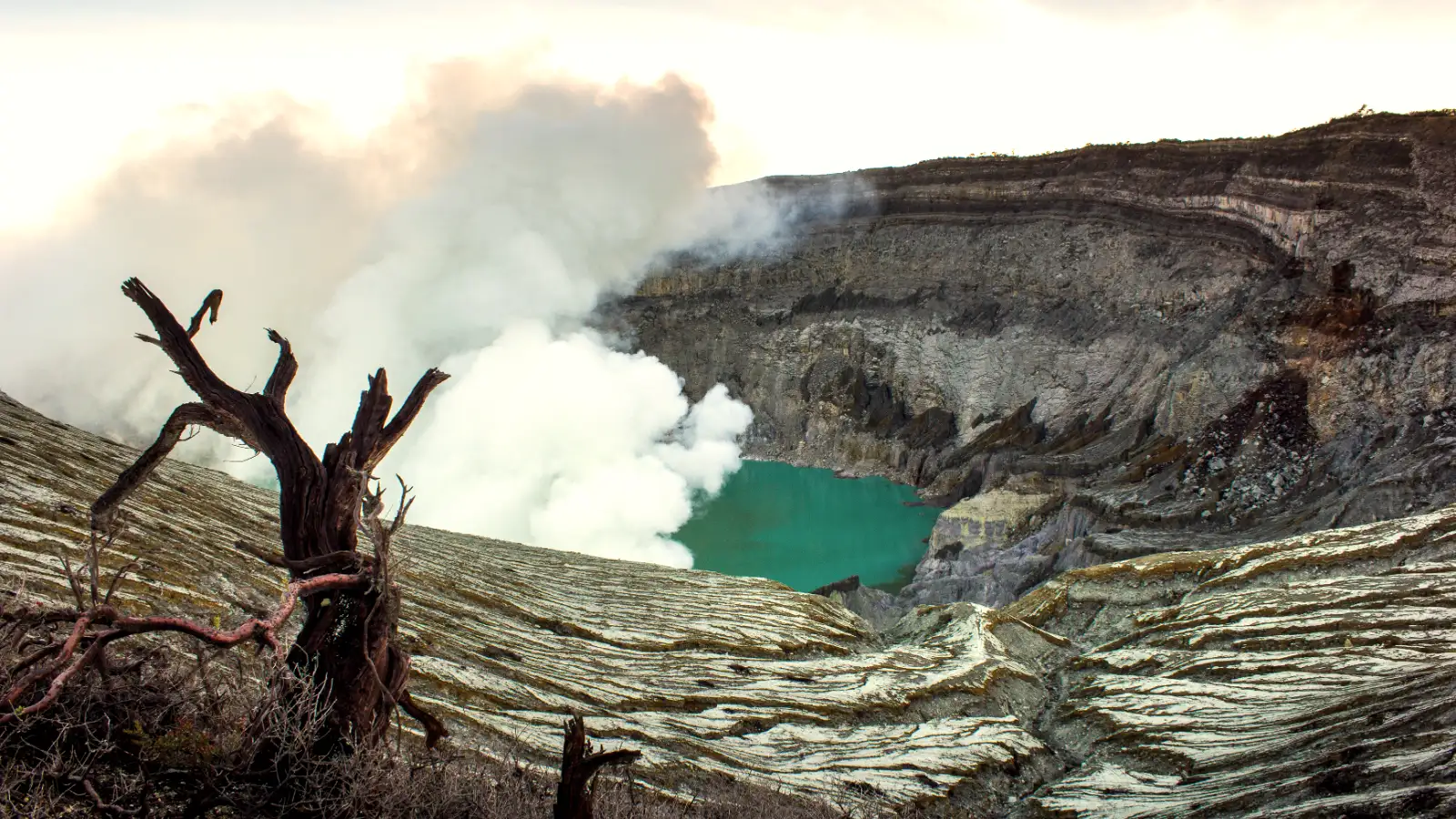
Low clouds and volcanic steam can sometimes obscure the crater floor. Furthermore, checking the mount ijen weather today before you depart from Banyuwangi or Bondowoso is a smart move. Specifically, high humidity can cause thick fog to settle inside the caldera, hiding the lake entirely.
Timing Your Ascent
Starting your hike around 1:30 AM or 2:00 AM is the standard practice. In addition, this timing allows you to reach the rim before the morning mist thickens. Consequently, you get a clear view of the Blue Fire before the sun begins to illuminate the sulfur clouds. You may want to read more about the best time to visit ijen crater for more detailed insights.
Dealing with Sulfur Smoke
The wind direction plays a massive role in your experience. For instance, if the wind blows toward the trail, the sulfur smoke can be overwhelming. Therefore, we provide all our guests with high-quality gas masks as part of our safety protocol. You can see pricing details for tours that include all necessary protective equipment.
Packing for Volcanic Conditions
Many travelers underestimate how cold it gets on a tropical island. Specifically, the mount ijen temperature can plummet once you stop moving at the summit. In fact, shivering at the top is the most common complaint among unprepared backpackers.
The Three-Layer System
First, start with a moisture-wicking base layer to keep sweat away from your skin. Moreover, add a warm fleece or down jacket for insulation during the wait for sunrise. Finally, use a windproof and waterproof outer shell to block the biting mountain breeze. Don’t forget to check the mandatory equipment for climbing ijen before you pack your bags.
Footwear Matters
The path to the crater is steep and covered in loose volcanic gravel. Specifically, wearing shoes with good traction is non-negotiable for safety. Consequently, if you are visiting during the rainy season, waterproof hiking boots are highly recommended to keep your feet dry and warm. Because safety is our priority, you should book your midnight trek with a team that provides trekking poles for extra stability.
Frequently Asked Questions
Q: What is the coldest month at Mount Ijen?
A: Generally, July and August are the coldest months. Specifically, temperatures can drop below 5°C (41°F) at the summit due to the peak dry season winds. To stay warm, we suggest you check our gear rental options before your trip.
Q: Does Ijen close during heavy rain?
A: Occasionally, the park authorities may close the trail if conditions become dangerous due to storms or high gas activity. Therefore, it is always best to stay in touch with your local guide for the most accurate daily updates.
Q: Can I see the Blue Fire if it is raining?
A: Light rain doesn’t extinguish the fire, but it can create heavy steam that masks it. However, if the rain is very heavy, visibility becomes nearly zero, making the descent into the crater unsafe.
Q: Is there a best day of the week for better weather?
A: Weather doesn’t follow a weekly calendar. That said, weekdays are better for visiting because fewer crowds mean you can move faster and find the best viewing spots before the mist rolls in.
Q: How do I check the weather at mount ijen today?
A: You can use standard weather apps, but they are often inaccurate for high-altitude microclimates. Specifically, the best way is to ask local tour operators who have staff at the base camp every night.
Continue Your Adventure
After conquering the volcano, you might want to explore more of what East Java has to offer. For instance, many travelers enjoy a convenient tour starting from Banyuwangi or choose to visit Ijen directly from Bali. If you have more time, the classic Bromo and Ijen combination provides the ultimate volcanic experience. For those on a budget, an affordable sharing tour is a fantastic way to meet fellow adventurers. Finally, the comprehensive 3-day journey from Bali remains our most highly-rated luxury escape.
Ready for the Hike of a Lifetime?
Don’t let unpredictable weather leave your experience to chance. Join our expert-led tours for the safest and most immersive volcanic adventure in Indonesia.