Mount Ijen Temperature Guide 2026: Expert Packing & Weather Insights
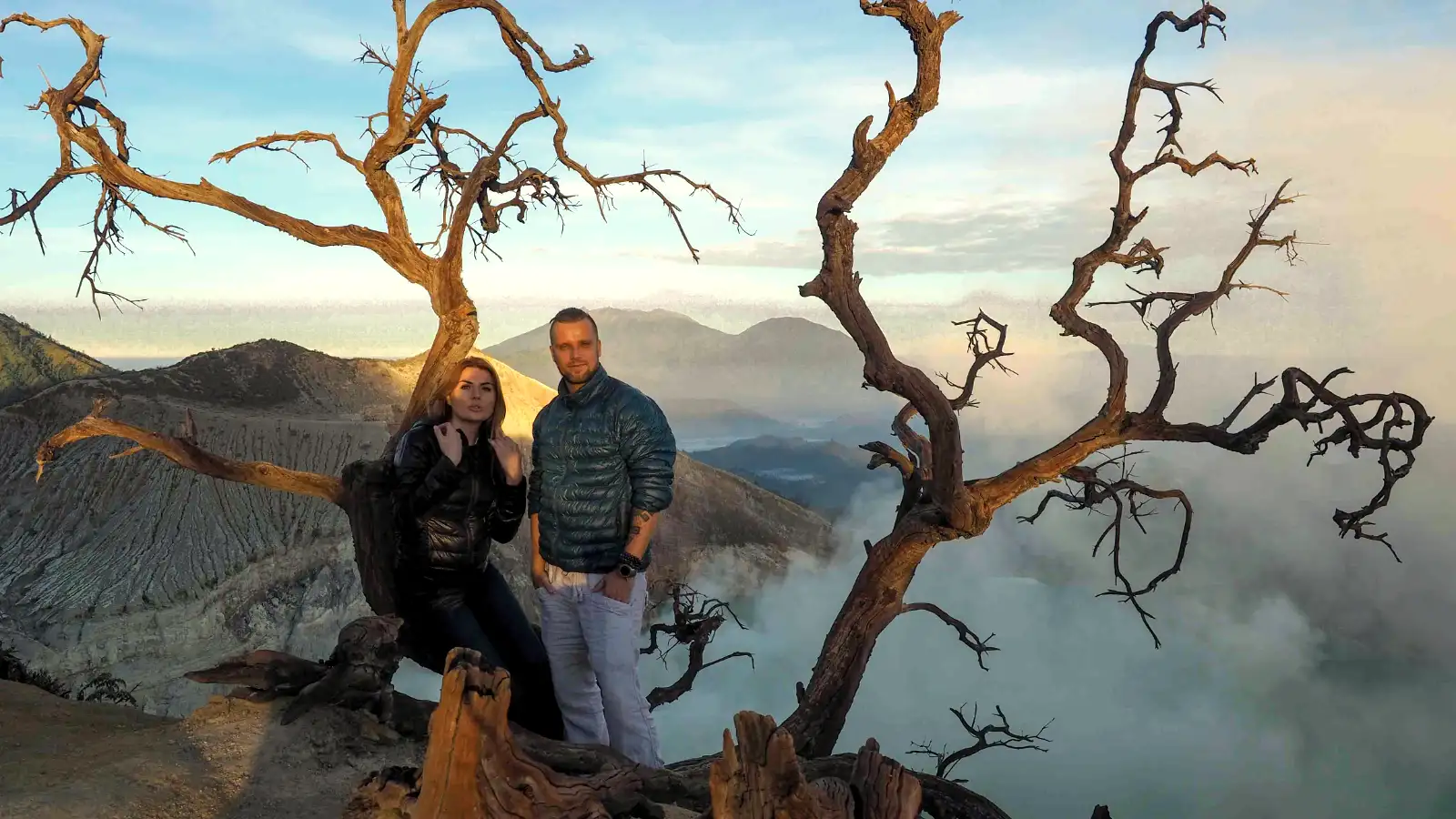
Imagine waking up at 2:00 AM to face a biting, unseen wind that cuts through your light hoodie like paper. Many travelers arrive at the base camp completely unprepared for the freezing Mount Ijen temperature, turning a dream adventure into a shivering struggle.
Consequently, your comfort and safety depend entirely on understanding the volatile East Java climate before you begin your ascent. Furthermore, failing to pack the right hiking gear can prevent you from enjoying the world-famous electric blue flames.
Therefore, we have designed this comprehensive guide to ensure you master the best time to visit based on thermal data. You can easily secure your spot by booking your professional tour here to ensure expert guidance through these chilly altitudes.
What You Need to Know
💡 Temperature Range: 2°C to 18°C (35°F to 64°F).
💡 Coldest Time: 2:00 AM to 5:00 AM at the crater rim.
💡 Must-Have Gear: Windbreaker, thermal layers, and gloves.
💡 Seasonality: The dry season (July to September) offers the lowest sunrise temperature.
In This Guide
1. Understanding the Volcanic Climate
2. Hourly Temperature Breakdown
3. Seasonal Weather Variations
4. Expert Packing Recommendations
5. Temperature & Safety Advice
6. Frequently Asked Questions
Understanding the Volcanic Climate of Mount Ijen
Specifically, Mount Ijen is located in a high-altitude region of East Java, where the environment differs drastically from the humid lowlands. While the coast of Banyuwangi weather remains tropical and warm, the summit sits at over 2,300 meters above sea level.
Moreover, this elevation creates a microclimate that can catch many international backpackers off guard. In addition, the open landscape of the caldera allows strong winds to sweep across the rim, significantly lowering the perceived temperature.
Ultimately, this guide serves as a critical ijen crater travel guide to help you navigate these extreme shifts. Understanding these patterns is essential for anyone planning a mount ijen hike tour during their Indonesian journey.
The Role of Altitude in Thermal Shifts
For instance, for every 100 meters you climb, the air temperature typically drops by about 0.6 degrees Celsius. Consequently, the base camp at Paltuding is already significantly cooler than the surrounding coffee plantations or the city center.
Furthermore, the lack of dense forest cover near the summit means there is no protection from the radiant cooling at night. Meanwhile, the thermal activity from the volcanic gas vents does not provide any warmth to hikers on the rim.
Humidity and Wind Chill Factors
However, the actual temperature is only half of the story because wind chill plays a massive role at the top. Specifically, a 10°C night can feel like 4°C when the mountain winds start gusting through the sulfur clouds.
Moreover, the Banyuwangi weather patterns during the rainy season can increase humidity, making the cold feel much deeper and more “wet.” This combination makes high-quality thermal clothing a mandatory requirement for any visitor.
Hourly Temperature Breakdown: From Midnight to Midday
First, most treks begin at the Paltuding base camp around 1:00 AM or 2:00 AM. At this hour, the air is still and crisp, with temperatures usually hovering between 8°C and 12°C.
Subsequently, as you ascend the steep 3-kilometer path, your body heat will rise, making you feel warmer than the actual ambient air. However, once you reach the crater rim and stop moving, the cold sets in with incredible speed.
Meanwhile, the sunrise temperature at the summit is consistently the lowest point of the entire day. For those using trolley services in ijen crater climbing, remember that you aren’t generating muscle heat, so you must wrap up even tighter.
Midnight to 4:00 AM: The Deep Freeze
Notably, this is the time when you will witness the blue fire phenomenon inside the crater. The temperature down by the lake can be slightly more stable, but the rim remains extremely cold and windy.
Specifically, travelers often report temperatures as low as 2°C during the peak of the dry season. Therefore, this is the most critical window for wearing your heavy outer shell and thermal layers.
5:00 AM to 8:00 AM: The Golden Hour
As a result of the rising sun, the temperature begins a slow but steady climb. While the light is beautiful, the air remains chilly until the sun is high enough to clear the surrounding peaks.
Moreover, you will likely start shedding layers during your descent as the tropical sun begins to heat the mountain. Consequently, having a backpack to store your discarded jackets is highly recommended for a comfortable trek back down.
Important Update: The appearance of the Blue Fire at Ijen Crater is highly unpredictable. It depends heavily on daily volcanic activity, gas density, and weather conditions. It is sometimes clearly visible, and sometimes not visible at all. To avoid disappointment, please contact us via WhatsApp to check the latest daily updates before you hike.
Seasonal Weather Variations in East Java
Therefore, timing your visit is just as important as packing the right clothes. Java has two distinct seasons: the dry season and the rainy season, each affecting the Mount Ijen temperature differently.
Specifically, the dry season (April to October) is widely considered the best time to visit for clear skies. However, this is also when the “winter” effect occurs, leading to the coldest temperatures recorded on the volcano.
Moreover, you can learn more about seasonal planning through our best time to visit ijen crater analysis. This will help you decide if you prefer the cold clarity of August or the milder mist of March.
| Season | Avg. Low (Summit) | Avg. High (Base) | Wind Levels |
|---|---|---|---|
| Dry (June-Aug) | 2°C – 5°C | 18°C | High / Strong |
| Shoulder (Apr-May) | 7°C – 10°C | 20°C | Moderate |
| Wet (Nov-Mar) | 8°C – 12°C | 22°C | Low / Humid |
The Dry Season Chill
For instance, during July and August, the lack of cloud cover allows heat to escape the atmosphere rapidly at night. Consequently, these months see the most frequent occurrences of “frost” on the plants near the summit.
Furthermore, the wind is generally stronger during these months, which can make the night trekking experience feel more intense. Nonetheless, the reward is a crystal-clear view of the Milky Way and the turquoise acid lake.
The Rainy Season Humidity
In addition, the rainy season brings warmer nights but introduces the risk of slippery paths and fog. While the Mount Ijen temperature might be higher, the dampness can lead to altitude sickness or chills if you get wet.
Moreover, trekking in the rain requires waterproof hiking gear that also breathes well. Therefore, we often suggest travelers aim for the shoulder months to find a balance between temperature and trail conditions.
🔥 Featured Expedition
Don’t let the cold stop you from seeing the world’s most unique volcano. Join our expert-led summit trek and conquer the elements in comfort!
Expert Packing Recommendations for Ijen’s Cold
Furthermore, your success on the trail is determined by your layering strategy. Specifically, we recommend a three-layer system to manage the varying Mount Ijen temperature levels throughout the night.
First, a moisture-wicking base layer is essential to keep sweat away from your skin. Subsequently, an insulating mid-layer like a fleece or down jacket will trap your body heat against the mountain air.
Finally, a windproof and waterproof outer shell is non-negotiable for the crater rim. This combination allows you to adapt as the Banyuwangi weather shifts from a cold midnight start to a warm morning finish.
Essential Clothing Checklist
Specifically, do not forget your extremities, as your hands and head lose heat the fastest. A warm beanie and a pair of lightweight gloves can make a world of difference when you are waiting for the sun to rise.
Moreover, thick hiking socks will prevent your toes from going numb during the stationary wait at the rim. In addition, many hikers find that a neck gaiter or scarf helps protect against both the cold and the occasional whiff of sulfur gas.
Footwear and Gear Tips
Therefore, shoes with good traction are a must, as the cold can make the sandy volcanic soil feel firm or slippery. While luxury travelers might prefer high-end boots, sturdy sneakers with deep treads are usually sufficient for most.
Furthermore, bring a headlamp instead of a flashlight to keep your hands free for balance or for tucking into your pockets. Ultimately, being prepared means you can focus on the beauty of the UNESCO Global Geopark rather than your discomfort.
Temperature, Health, and Safety Advice
Specifically, the combination of low temperatures and high altitude can occasionally trigger altitude sickness in sensitive individuals. Therefore, it is vital to ascend at a steady pace and stay hydrated despite the cold.
Moreover, the volcanic gas concentration can feel more “heavy” in the cold morning air. Consequently, your professional guide will provide a gas mask, which also serves a secondary purpose: keeping your face warm!
In addition, check the official status of the park, as Ijen is part of the Ijen UNESCO Global Geopark. This status ensures that safety protocols are strictly followed regarding volcanic activity and weather alerts.
Why Trust This Guide
Our team at Ijen Expedition has led thousands of successful treks to the summit across every season. Specifically, we monitor the Mount Ijen temperature and trail conditions daily to provide the most accurate advice to our guests.
Furthermore, we are local experts based in East Java with a deep understanding of the mountain’s unique behavior. Ultimately, our goal is to ensure your safety while helping you witness the majestic beauty of the blue fire and crater lake.
Continue Your Adventure
Meanwhile, the wonders of East Java extend far beyond the crater rim of Mount Ijen. After you have conquered the freezing temperatures, you might consider witnessing the legendary Mount Bromo sunrise tour for a completely different volcanic landscape.
Moreover, many travelers choose to dive into the lush tropics by visiting the majestic Tumpak Sewu Waterfall. If you are looking for the ultimate journey, our 6-day Java adventure combines all these highlights into one seamless trip.
Therefore, we invite you to book your custom tour today and let us handle all the logistics while you enjoy the views.
Frequently Asked Questions (FAQ)
Q: Is it really freezing at the top of Mount Ijen?
A: Yes, especially between 2:00 AM and sunrise. Temperatures can drop as low as 2°C, and the wind chill makes it feel even colder. Proper layering is essential for comfort.
Q: Can I rent jackets and warm clothing at the base camp?
A: Yes, there are local vendors at the Paltuding base camp who rent out jackets and beanies. However, sizes and quality vary, so bringing your own gear is always safer.
Q: What happens if it rains during my trek?
A: The temperature usually stays slightly higher during rain, but the dampness increases the risk of hypothermia. Always carry a lightweight poncho or waterproof shell in your pack.
Q: Do I need thermal underwear for Mount Ijen?
A: If you are visiting during the peak dry season (July-August) and plan to wait for sunrise at the rim, thermal leggings and a top are highly recommended to stay warm while stationary.
Q: Does the temperature affect the visibility of the Blue Fire?
A: Indirectly, yes. Clear, cold nights in the dry season often provide the best visibility. However, gas density and volcanic activity are the primary factors for seeing the fire.
Book Your Perfect Ijen Expedition Today
Ultimately, don’t let the fear of the cold keep you from one of the most incredible sights on Earth. With the right preparation and our expert guides, you will experience Mount Ijen in total comfort and safety.
Furthermore, our tours are designed to handle all the thermal challenges for you, providing the best timing and equipment advice. Ready to stand on the edge of the world’s largest acid lake?