
Ijen Crater Tour from Bali: Trek Java’s Ethereal Blue Fire Volcano
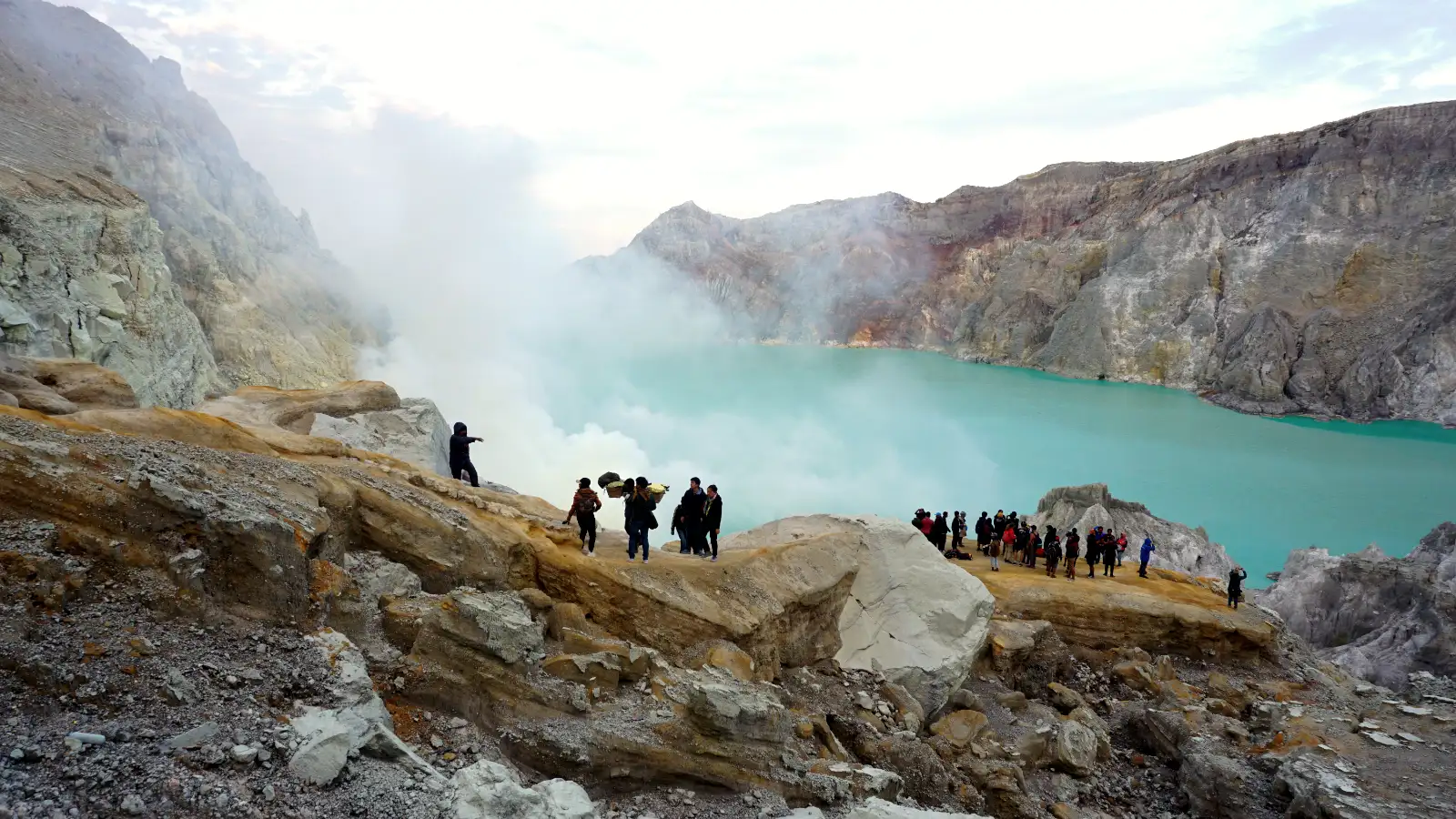
What You Need to Know
Direct Answer: An Ijen Crater tour from Bali is a 24-hour adventure involving a drive to Gilimanuk, a ferry crossing to Java, and a midnight trek to see the rare “Blue Fire.” The hike is moderately difficult, taking roughly 1.5 to 2 hours to reach the summit. For the best experience, booking a private Ijen crater tour ensures personalized timing and professional gas mask equipment.
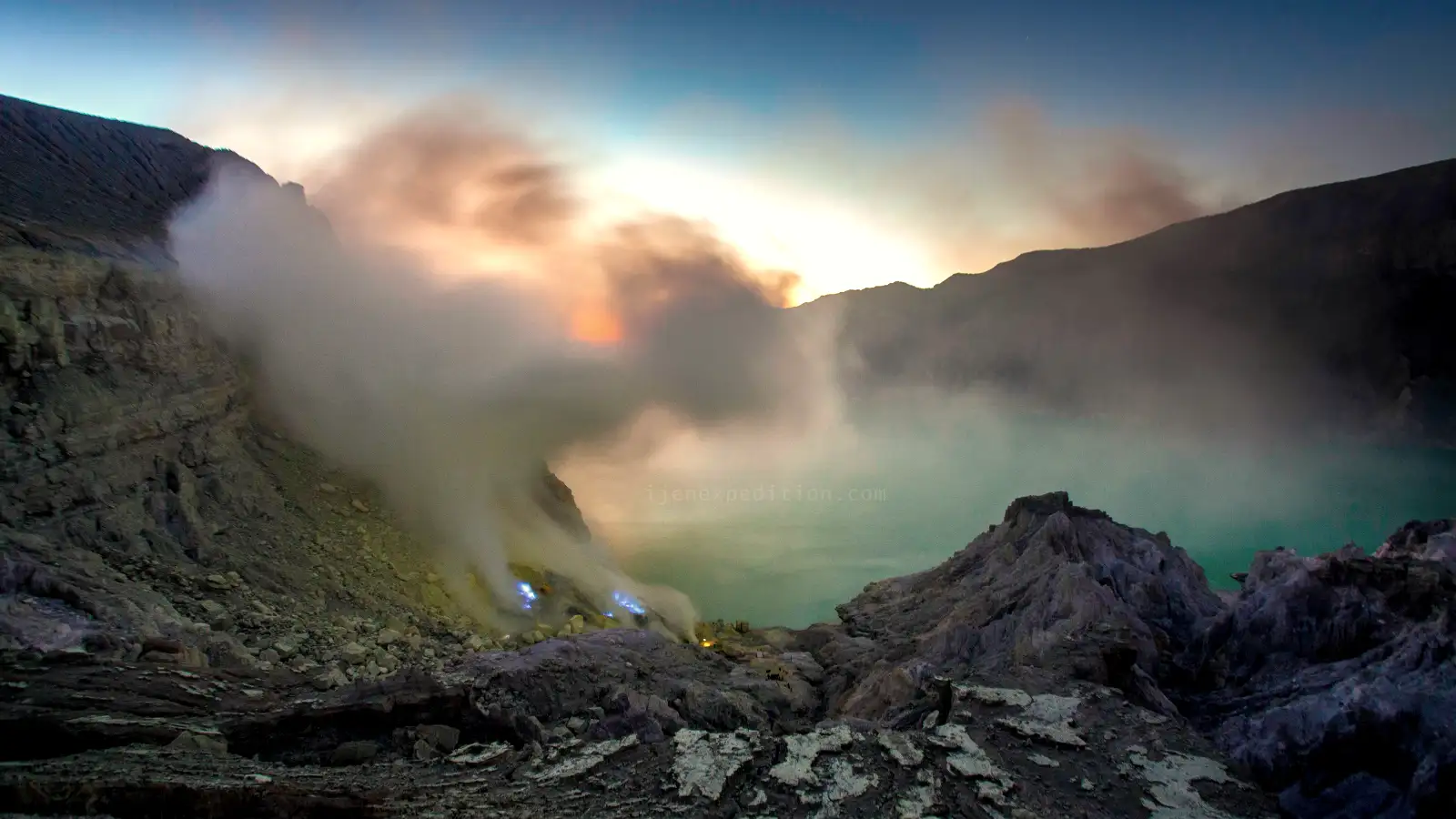
Important Update: The appearance of the Blue Fire at Ijen Crater is highly unpredictable. It depends heavily on daily volcanic activity, gas density, and weather conditions. To avoid disappointment, please contact us via WhatsApp to check daily updates before you hike.
Table of Contents
Crossing the Bali Strait to witness the ethereal glow of Java’s volcanic heart is a rite of passage for modern explorers. This Ijen crater tour offers more than just a physical challenge; it is an immersion into a landscape that feels truly prehistoric. Standing on the rim of the world’s largest acidic lake provides a perspective that few other places on Earth can match.
Navigating the transition from Bali’s beaches to Java’s rugged peaks requires careful planning and local insight. Expect a long night of travel followed by an exhilarating ascent through ancient rainforests. Success on this trek hinges on timing, gear, and understanding the unique volcanic environment of East Java.
Why Trust This Guide
Our team consists of veteran field reporters and local trekking experts who have traversed the Ijen plateau hundreds of times. We provide data-driven insights based on real-time volcanic conditions and logistical shifts. By prioritizing smooth transfers and safety, we ensure your journey is as seamless as it is spectacular.
Logistics: Getting from Bali to Ijen
Most travelers begin their journey with a private pickup from hubs like Ubud, Canggu, or Seminyak around 7:00 PM. The drive to Gilimanuk harbor takes approximately four hours depending on West Bali traffic. Consulting a Bali to Java ferry guide is essential for understanding the boarding process and transit times.
Ferries run 24/7 across the narrow strait, typically taking about 45 minutes to reach Ketapang in Banyuwangi. Once you land in Java, the temperature drops significantly as you ascend toward the Paltuding base camp. Efficient logistics are the backbone of a successful mount ijen tour from bali, saving you from unnecessary fatigue before the hike begins.
🔥 Featured Expedition
Experience the ultimate 24-hour dash from your Bali hotel to the summit of Ijen Crater. This all-inclusive package covers everything from private transport to professional local guides.
The Hike: What to Expect on the Trail
Reaching the summit of Mount Ijen requires a steady walk up a wide, sandy path for approximately three kilometers. The first half of the trail is the steepest, testing your endurance before the terrain levels out near the top. Many visitors wonder, is the hike difficult for average travelers? While no professional mountaineering skills are needed, a basic level of fitness makes the experience far more enjoyable.
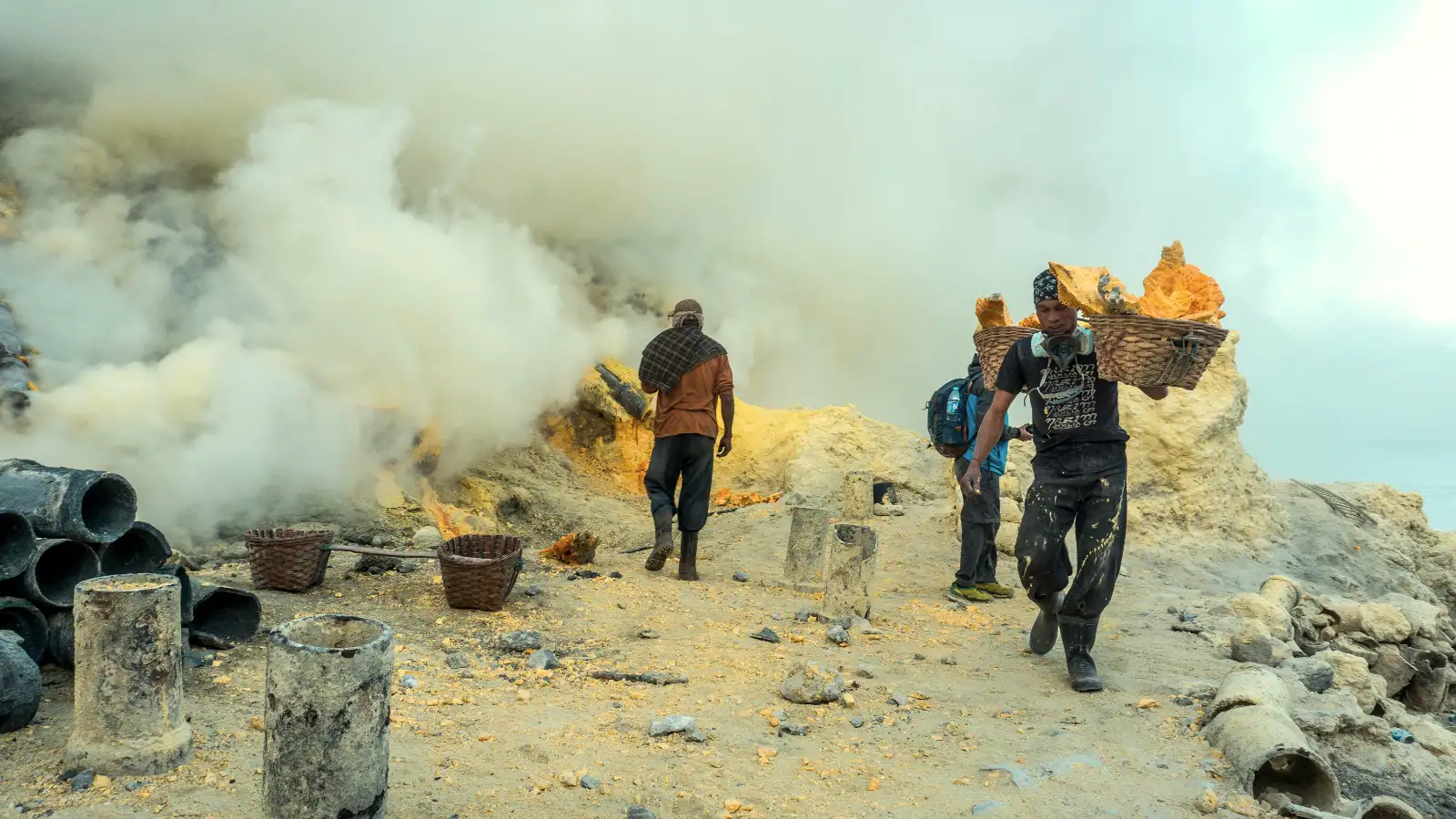
Descending into the crater to see the Blue Fire involves a rocky, narrow path that can be slippery in the dark. Safety is paramount here, which is why a guided ijen crater tour is highly recommended for first-timers. Professional guides provide high-quality gas masks to protect you from the intense sulfur fumes swirling at the bottom.
Private vs Shared Tours
Choosing between private vs shared tours often determines the overall comfort of your trip. Private tours offer flexible pickup times, allowing you to rest longer in Bali before the journey begins. They also provide a dedicated vehicle, which is a major advantage for the long drive across West Bali.
Shared tours are budget-friendly but often involve waiting for other participants and fixed schedules. For those traveling solo, checking a solo travel guide for Ijen can help weigh the costs of joining a group. Luxury travelers usually prefer the convenience of an overnight tour that manages every detail from door to door.
Continue Your Adventure
If you are staying in a specific part of Bali, we have tailored expeditions departing directly from your doorstep. Explore our specialized routes to ensure the most efficient travel time:
- • Start your journey from the cultural heart: Ijen Crater Tour from Ubud
- • Direct departures from the trendy coast: Ijen Crater Tour from Canggu
- • Fast-track adventures from the south: Ijen Crater Tour from Seminyak
- • Convenient pickups for beach lovers: Ijen Crater Tour from Kuta or Sanur
- • Exclusive southern Bali departures: Ijen Crater Tour from Jimbaran
- • Hidden gem departures from the east: Ijen Crater Tour from Amed
- • Extended volcanic explorations: 2-Day Ijen Crater Package from Bali
Frequently Asked Questions
1. What is the Ijen Crater entrance fee for international visitors?
The fee typically ranges from 100,000 to 150,000 IDR depending on whether you visit on a weekday or weekend. Most tour packages include this fee in the total price.
2. How long is the drive for an Ijen crater day trip from Bali?
Expect around 4 hours of driving within Bali, a 45-minute ferry ride, and another hour of driving in Java to reach the trailhead.
3. Can I see the Blue Fire every night?
No, visibility depends on volcanic gas activity and weather. It is best to check with a local tour operator for the latest daily updates.
4. Is it cold at the Ijen summit?
Temperatures can drop to 5-10°C (41-50°F) before sunrise. Wearing layers, including a windbreaker and gloves, is essential for comfort.
5. Do I really need a gas mask?
Yes, the sulfur clouds at the crater rim and floor can be very thick and irritating to the lungs. A professional respirator is a mandatory safety item.
Ready for the Ultimate Java Expedition?
Don’t leave your volcano adventure to chance. Book a professional, safe, and highly-rated Ijen Crater tour from Bali today.