Ijen Crater Lake: 7 Hidden Facts About The Turquoise Water [2026 Update]
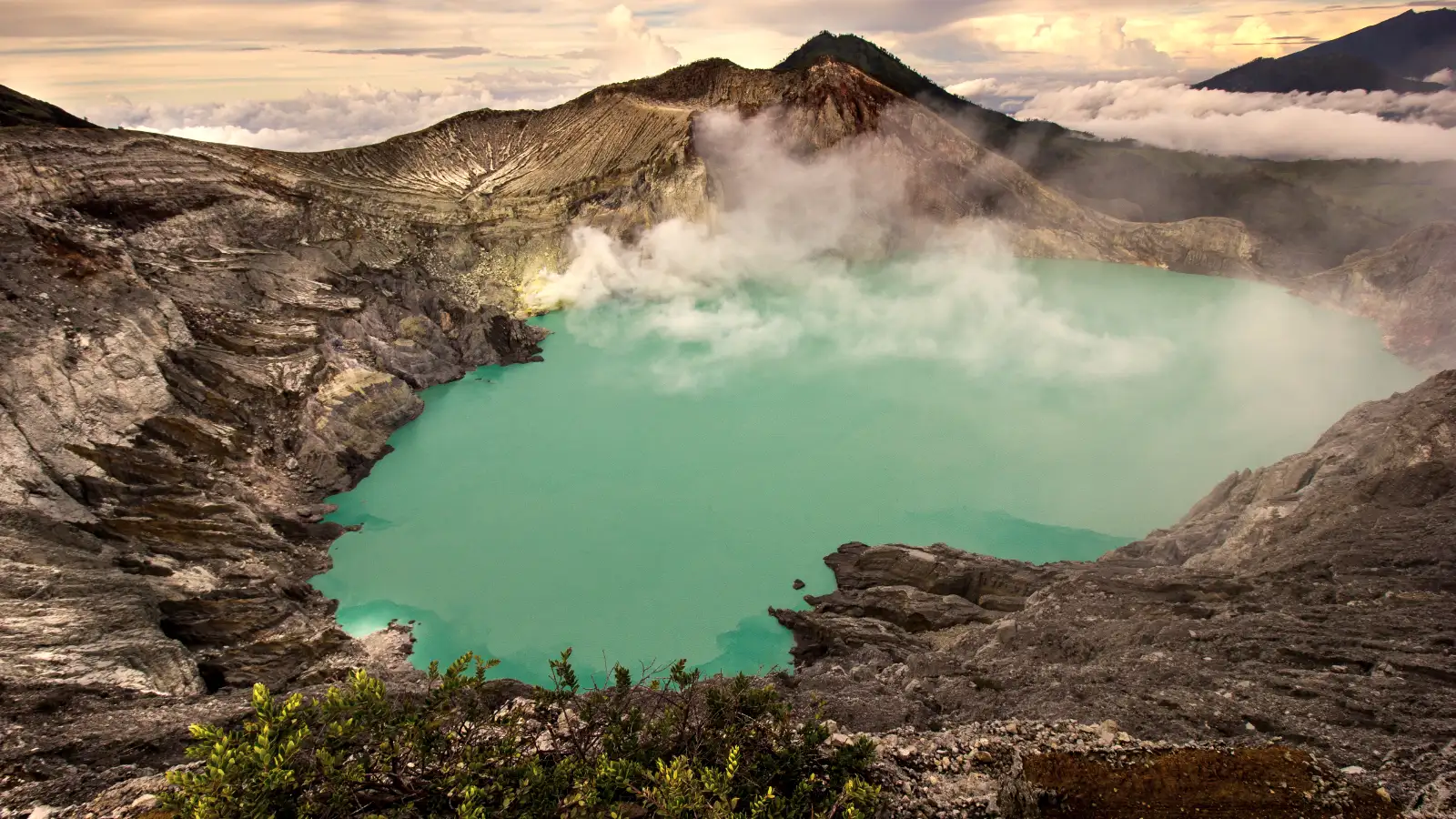
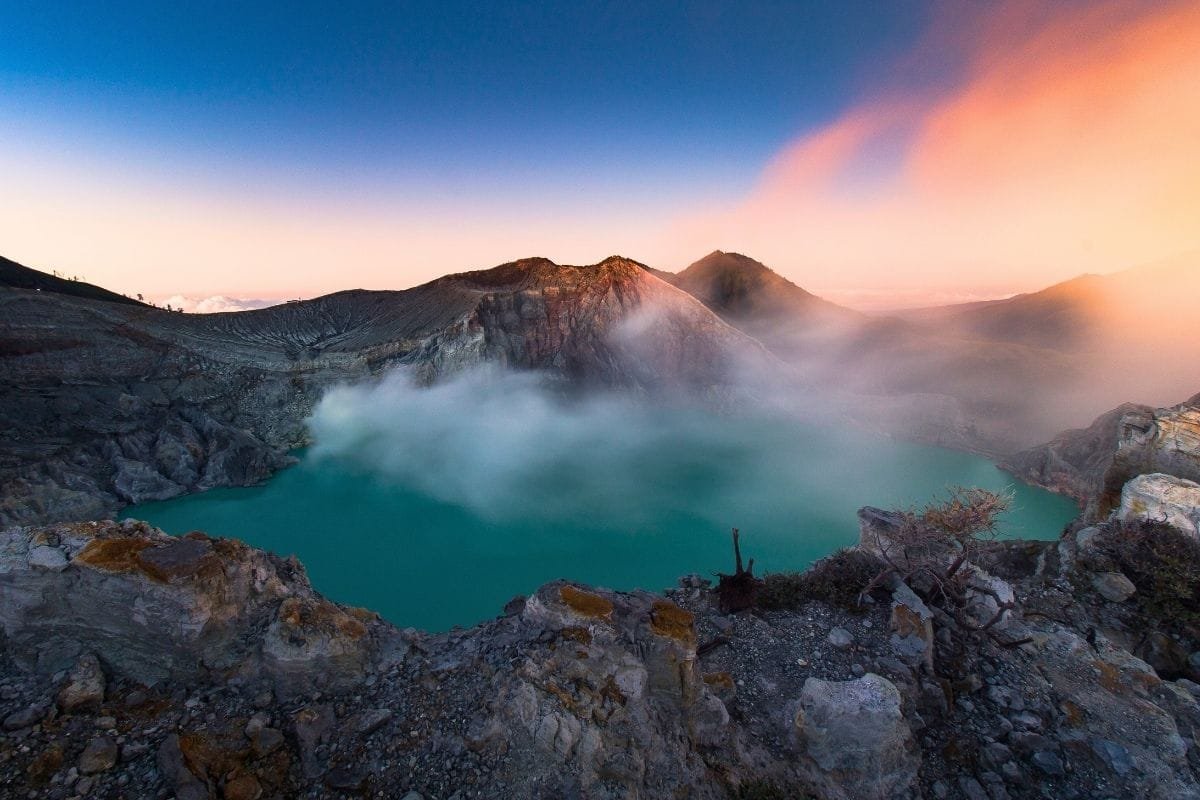
Specifically, the Ijen Crater lake is the world’s largest highly acidic volcanic lake. Its famous turquoise color comes from high concentrations of dissolved sulfuric and hydrochloric acid. Furthermore, this geological marvel in East Java serves as a critical site for sulfur mining and offers the rare blue fire phenomenon.
Standing on the rim of Kawah Ijen at 2:00 AM, you might wonder if the freezing wind and steep climb are worth it. However, once the first light hits that electric-blue water, all exhaustion vanishes. Many travelers struggle with the logistics of reaching this remote active volcano from Bali or Surabaya.
Consequently, finding a reliable guide and understanding the safety risks of toxic gases is essential. Therefore, we have compiled this insider guide to help you check current availability and prepare for the ultimate Indonesian adventure.
💡 What You Need to Know
First, the lake is extremely acidic with a pH below 0.5. In addition, you must carry a professional gas mask to protect yourself from sulfur fumes. Moreover, you should reserve your local guide in advance to ensure safe passage through the steep terrain.
In This Guide
• Why Trust This Guide
• The World’s Largest Acidic Lake
• Why the Water is Turquoise
• UNESCO Global Geopark Status
• Safety and Logistics
• Frequently Asked Questions
Why Trust This Guide
Our team consists of veteran Java explorers who have summited Kawah Ijen hundreds of times. Specifically, we monitor volcanic gas levels daily to ensure our guests stay safe.
Furthermore, we work directly with local communities to provide authentic, data-driven insights. In addition, our recommendations are based on real-time changes in park regulations and weather patterns.
1. The World’s Largest Cauldron of Acid
First, it is important to realize that Kawah Ijen is not a typical swimming hole. Specifically, this 700-meter-wide body of water is filled with approximately 36 million cubic meters of acidic liquid.
Moreover, the pH levels here often drop below 0.5, which is roughly equivalent to car battery acid. Therefore, touching the water is strictly forbidden and can cause severe chemical burns.
The Chemical Cocktail
In addition, the lake acts as a massive condenser for volcanic gases. Specifically, hydrogen chloride and sulfur dioxide rise from the magma chamber and dissolve into the water.
Consequently, this creates a highly concentrated mixture of sulfuric and hydrochloric acids. Meanwhile, the extreme acidity allows the water to dissolve metals like aluminum and iron from the surrounding volcanic rock.
Extreme Depth and Density
Specifically, the lake reaches depths of nearly 200 meters at its center. Furthermore, the water temperature near the surface can fluctuate wildly depending on seismic activity.
Ultimately, this makes it one of the most volatile and fascinating geological features on the planet. Therefore, you should always view our comprehensive package to see how we safely navigate the rim.
2. The Mystery of the Turquoise Hue
Specifically, the mesmerizing teal color of the lake is a result of light scattering. Furthermore, the presence of dissolved metals and fine sulfur particles plays a critical role in this visual effect.
However, the color can shift from bright turquoise to a milky green depending on the volcano’s internal pressure. In addition, during periods of low activity, the water often appears deeper and more vibrant.
Refraction and Minerals
Specifically, the high concentration of dissolved alum and gypsum reflects shorter blue and green wavelengths of light. Therefore, the sunnier the day, the more intense the turquoise appearance becomes.
Moreover, the contrast between the white-stained crater walls and the blue water creates a surreal, alien landscape. Consequently, photographers often flock here during the “golden hour” to capture the perfect shot.
🔥 Featured Expedition
Experience the mesmerizing turquoise lake and the legendary blue fire with East Java’s leading experts. Specifically, we provide premium gas masks and private transport for a seamless adventure.
3. UNESCO Global Geopark Status
Specifically, the Ijen Caldera was officially recognized as a UNESCO Global Geopark for its unique geological heritage. Furthermore, this status protects the area and promotes sustainable tourism in the region.
However, the park is also home to rare flora and fauna that have adapted to the harsh volcanic environment. For instance, the Javan Green Peafowl is sometimes spotted in the surrounding forests.
The Role of Sulfur Miners
In addition, the lake is the site of one of the last manual sulfur mining operations in the world. Specifically, miners carry up to 90kg of solid sulfur on their shoulders up the steep crater walls.
Moreover, you can learn more about how much Ijen miners make to understand the human side of this volcanic industry. Consequently, it is customary to show respect and give way to these workers on the trail.
4. Essential Logistics and Safety Tips
First, you should book your midnight trek well in advance, especially during the dry season. Specifically, the hike begins around 2:00 AM to allow enough time to witness the blue fire and sunrise.
Furthermore, the path is approximately 3 kilometers long with a significant elevation gain. Therefore, travelers should be in moderate physical condition before attempting the climb.
Gear and Preparation
Specifically, you will need layers of warm clothing as temperatures can drop to 5°C. In addition, sturdy hiking boots are essential to navigate the slippery and rocky sections of the rim.
Moreover, always ensure your gas mask is properly fitted before descending into the crater. Ultimately, your safety is the top priority, so you should see pricing details for tours that include full safety gear.
Frequently Asked Questions (FAQ)
Q: Can you swim in the Ijen Crater lake?
A: Absolutely not. Specifically, the water is as acidic as battery acid and will cause severe injury. Therefore, you should only view the lake from a safe distance on the rim.
Q: How do I get to Ijen from Bali?
A: Specifically, the easiest way is to take a ferry from Gilimanuk to Ketapang, Banyuwangi. From there, you can secure your spot on a guided tour that includes transport to the base camp.
Q: When is the best time to visit?
A: First, the dry season (April to October) offers the clearest skies and safest hiking conditions. However, the crater is beautiful year-round if volcanic activity permits access.
Q: Is the blue fire guaranteed?
A: No, it is a natural phenomenon. Specifically, it depends on gas pressure and weather conditions. Therefore, checking the latest updates via WhatsApp is highly recommended.
Q: Do I need a gas mask?
A: Yes, it is mandatory. Specifically, the sulfur fumes can be overwhelming and dangerous without a professional respirator. Most quality tours provide these for you.
Continue Your Adventure
If you are planning to witness the turquoise magic of Kawah Ijen, why not extend your journey across East Java? Specifically, many travelers choose our day tour from Banyuwangi for a quick but intense experience. However, for the ultimate bucket-list trip, the 3-day adventure from Bali is highly recommended. In addition, those coming from West Java can opt for our private trek from Surabaya. Furthermore, budget-conscious backpackers often join our sharing tour option. Finally, don’t miss the chance to combine the volcanoes on our Mount Bromo and Ijen combo for the perfect holiday.
Ready to Witness the Magic?
Join East Java’s most trusted expedition team. Specifically, we handle all the logistics so you can focus on the breathtaking views.