Ijen Crater Water Temperature: The Science of the World’s Most Acidic Lake (2026 Update)
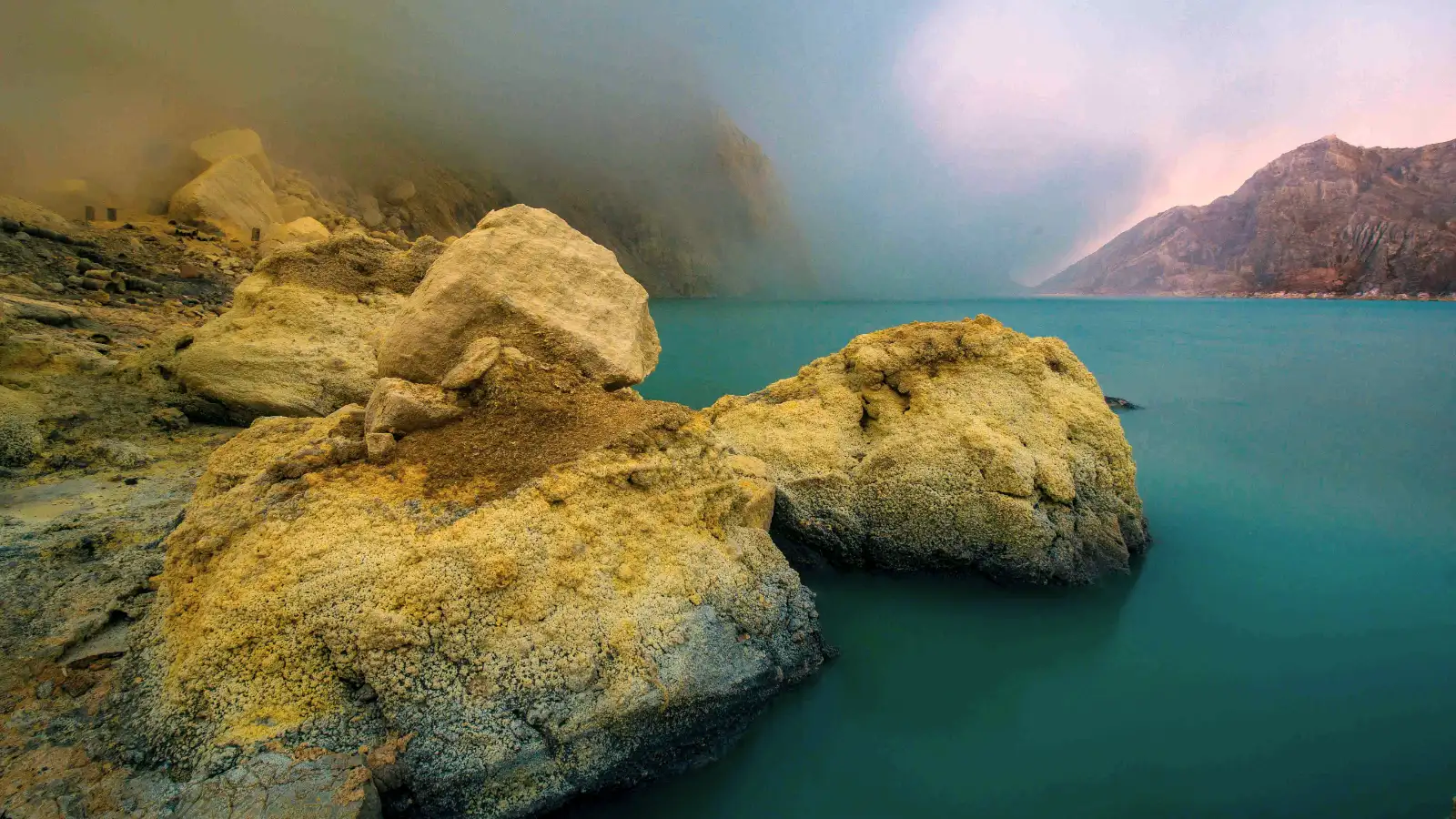
Hiking to the summit of Kawah Ijen often involves battling freezing midnight temperatures and steep, unforgiving terrain. Consequently, many travelers find themselves mesmerized by the glowing turquoise lake, wondering if its inviting color offers a warm reprieve. However, the reality of the Ijen Crater water temperature and its chemical composition is far more complex and dangerous than it appears.
Moreover, understanding the hydrothermal system of this active volcano is crucial for your safety. Before you pack your gear and book your tour, you must learn about the corrosive nature of these waters. This guide provides an in-depth analysis of the lake’s thermal profile, mineral toxicity, and volcanic hazards.
💡 The Quick Answer: Can You Swim?
Specifically, the surface temperature of Ijen Crater lake typically ranges between 25°C and 45°C (77°F to 113°F). However, you must never enter the water because it has a pH level below 0.5. This makes it as corrosive as car battery acid, capable of causing severe chemical burns instantly.
What You Need to Know
📌 Average Temperature: 25°C – 45°C (Surface level).
📌 Acidity Level: pH < 0.5 (Highly corrosive sulfuric and hydrochloric acid).
📌 Maximum Depth: Approximately 200 meters.
📌 Key Danger: Toxic magmatic gases and thermal stratification.
In This Guide
• The Science of Ijen Crater’s Thermal Profile
• Chemical Makeup: More Than Just Water
• Navigating the Dangers: Why Swimming is Fatal
• How Lake Monitoring Saves Lives
• Why Trust This Guide
• Frequently Asked Questions
Why Trust This Guide
Furthermore, our team consists of seasoned volcanic guides and Indonesian travel experts with decades of combined experience. We work closely with local authorities to provide the most accurate geological data available. Consequently, our insights ensure that international backpackers and luxury travelers can explore East Java safely and responsibly.
The Science of Ijen Crater’s Thermal Profile
First, it is important to understand that Ijen is an active hydrothermal system. The lake acts as a massive condenser for volcanic sulfuric acid and magmatic heat. Therefore, the water temperature is never constant and fluctuates based on volcanic activity beneath the crust.
Specifically, the surface temperature typically hovers around 30°C. In addition, during periods of increased solfatara activity, these numbers can spike significantly. For instance, if the magma chamber becomes more active, the water may reach temperatures closer to 50°C at the surface.
Understanding Surface Temperature Fluctuations
Moreover, external weather conditions play a minor role in cooling the surface. Rainwater can temporarily lower the top layer’s temperature. However, the sheer volume of the lake means the core remains intensely heated by underlying vents.
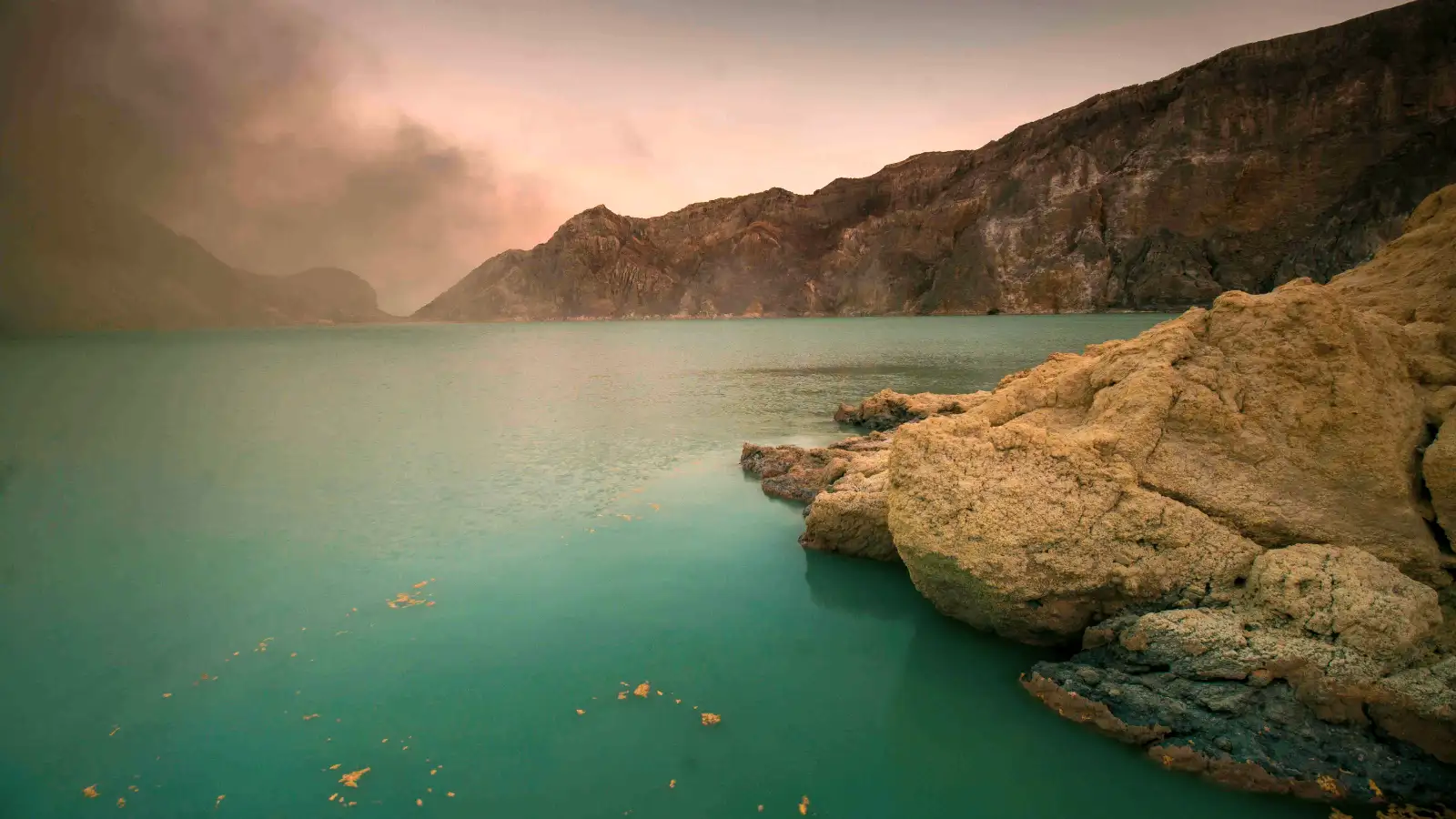
As a result, a visible steam often rises from the turquoise surface during the early morning. Consequently, this creates a surreal atmosphere that photographers find irresistible. Meanwhile, the heat continues to churn deep below the visible layers.
Deep Water Heat Sources
Ultimately, the bottom of the lake is where the most intense heat resides. Lake bathymetry studies suggest that the floor sits near 200 meters deep. Furthermore, this is where high-pressure magmatic gases enter the water column.
Therefore, the temperature at the very bottom is much higher than at the surface. In addition, these hot zones are often where the highest concentrations of dissolved minerals are found. Specifically, this creates a dynamic environment of constant chemical reactions.
Chemical Makeup: More Than Just Water
Furthermore, the water in Ijen Crater is not “water” in the traditional sense. It is a highly concentrated solution of hydrochloric and sulfuric acid. For instance, the acidic lake pH is consistently measured between 0.1 and 0.5.
Consequently, this makes it the largest highly acidic lake in the world. Specifically, the vibrant turquoise color is a result of high concentrations of dissolved metals. Aluminum and iron particles reflect light in a way that creates this breathtaking visual effect.
The World’s Largest Acidic Lake
Moreover, the acidity is so extreme that it can dissolve metal equipment within hours. Therefore, hikers are always warned to keep their electronics and jewelry away from the water. In addition, the fumes alone can cause oxidation on sensitive camera sensors.
As a result, visiting this UNESCO Global Geopark requires a high level of respect for chemistry. For instance, the sheer volume of acid contained here is estimated at 36 million cubic meters. Ultimately, it is a geological marvel that requires careful navigation.
Dissolved Minerals and Metallic Toxicity
Furthermore, the water contains a cocktail of toxic elements like arsenic and lead. These minerals are leached from the surrounding volcanic rock by the intense acidity. Consequently, the water is completely devoid of life, as no organism can survive such toxicity.
In addition, these minerals contribute to the density of the liquid. For instance, the water feels “thicker” than standard lake water due to its high mineral load. Therefore, even if the temperature seems mild, the chemical danger remains extreme.
🔥 Featured Expedition
Experience the raw power of the Ijen volcano with East Java’s most trusted guides. Our premium expeditions prioritize safety and scientific insight for an unforgettable journey.
Navigating the Dangers: Why Swimming is Fatal
Moreover, the visual beauty of the lake often lures the unwary. However, swimming here is not just dangerous; it is likely fatal. Specifically, the volcanic crater lake chemistry will cause immediate respiratory distress and skin destruction.
Furthermore, even a small splash of this water into the eyes can cause permanent blindness. Consequently, guides strictly prohibit travelers from approaching the water’s edge without supervision. Therefore, always maintain a safe distance during your Mount Ijen hike tour.
Corrosive pH Levels
Specifically, the pH level of 0.5 means the water is more acidic than lemon juice or vinegar by a massive margin. In addition, it is powerful enough to eat through most synthetic clothing fabrics. As a result, even your hiking boots could be ruined by contact with the shoreline mud.
Meanwhile, the surrounding air is often filled with sulfur dioxide. Consequently, hikers must wear industrial gas masks to prevent lung damage. For instance, the combination of acidic water and toxic air makes this one of the most hostile environments on Earth.
Toxic Gas Bubbles (CO2 and SO2)
Furthermore, the lake periodically releases large bubbles of carbon dioxide and sulfur dioxide. This phenomenon is known as “gas burping.” Consequently, these invisible gas clouds can settle in the crater, displacing oxygen and making breathing impossible.
Therefore, even the air directly above the water is a hazard zone. In addition, the magmatic gases are highly unpredictable and can change direction with the wind. Specifically, this is why professional guiding is non-negotiable for this destination.
How Lake Monitoring Saves Lives
Moreover, the temperature of the lake is a vital sign of the volcano’s health. Consequently, the PVMBG monitoring teams use thermal sensors to track changes in real-time. Specifically, a sudden rise in water temperature often precedes an eruption.
Furthermore, the color of the lake can also provide clues about internal activity. For instance, if the lake turns from turquoise to a greyish-white, it suggests increased sediment and volcanic unrest. Therefore, paying attention to these geochemical indicators is a life-saving practice.
Geochemical Indicators of Eruption
Ultimately, the chemical balance of the lake is incredibly delicate. For instance, changes in the ratio of chlorine to sulfate can signal magmatic movements. Consequently, scientists visit the crater regularly to collect samples for laboratory analysis.
In addition, these samples help predict the intensity of future steam-driven explosions. Therefore, the data gathered from the lake protects thousands of residents in the valleys below. Specifically, the lake acts as a giant diagnostic tool for geologists.
Continue Your Adventure
Furthermore, your journey through East Java doesn’t have to end at the crater rim. Specifically, you can find the best time to visit Ijen Crater to ensure the clearest views of the lake. Moreover, many travelers enjoy a tour from Bali to experience the dramatic contrast between tropical beaches and volcanic peaks. To make the most of your trip, you should book your tour with experts who understand the unique chemistry of this remarkable landscape.
Plan Your Ultimate Ijen Expedition
Ultimately, seeing the acidic lake of Ijen is a once-in-a-lifetime experience that requires professional planning. Whether you are a solo backpacker or looking for a luxury adventure, we provide the safety equipment and expert knowledge you need to explore this toxic paradise safely.
Frequently Asked Questions
Q: What is the average water temperature of Ijen Crater?
A: The surface temperature usually ranges between 25°C and 45°C, though it can spike during periods of high volcanic activity.
Q: Is it safe to touch the water in the crater?
A: No, it is extremely dangerous. The water is highly acidic with a pH below 0.5, which can cause severe chemical burns and permanent damage.
Q: Why is the water turquoise?
A: The color comes from a high concentration of dissolved metals, such as aluminum and iron, which reflect light in that specific spectrum.
Q: Can you smell the acidity in the air?
A: Yes, the lake releases strong sulfuric gases that have a pungent, “rotten egg” smell. A gas mask is mandatory for safety.
Q: How deep is the acidic lake at Ijen?
A: The lake is approximately 200 meters deep, making it one of the largest and deepest acidic crater lakes on the planet.