What Every Traveller Should Know Before Booking an Ijen Crater Tour
Booking an Ijen Crater tour requires more than just a quick payment and a wake-up call. Most travelers arrive in East Java unprepared for the steep terrain, sulfur fumes, and freezing temperatures that define this volcanic expedition.
Success starts with understanding the logistics of the Ijen Crater tour booking guide to ensure your safety and enjoyment. We have compiled this field report to help you navigate the essential requirements before you step onto the trail.
What You Need to Know: Fast Facts
- 📍 Altitude: Approximately 2,386 meters above sea level.
- 🥾 Difficulty: Moderate to steep (3km one way).
- ⏱️ Start Time: Usually 12:00 AM or 1:00 AM for Blue Fire seekers.
- 🩺 Requirement: A valid health certificate is currently mandatory.
Table of Contents
- Understanding the Trekking Difficulty
- The Reality of the Blue Fire
- Health Certificates and Entrance Rules
- Bali Pick-up Logistics and Timing
- Mandatory Gear Checklist
- Who Should Skip This Trip?
Why Trust This Guide?
Our team spends hundreds of hours on the slopes of Mount Ijen every year, coordinating with local rangers and sulfur miners. We see firsthand where travelers struggle, from wearing the wrong shoes to neglecting the impact of Mount Ijen temperature fluctuations.
This advice isn’t based on brochures but on real-world field experience. Truth be told, many blogs romanticize the hike without mentioning the physical toll or the unpredictable nature of volcanic gases.
Evaluating Ijen Crater Trekking Difficulty
The trail begins at Paltuding base camp with a deceptively wide, well-trodden path. But here’s the catch: the first two kilometers consist of a consistent 30 to 35-degree incline that tests your calf muscles immediately.
Many hikers underestimate the ijen crater trekking difficulty because the distance seems short. In reality, the combination of steepness and thin air at high altitude can lead to rapid fatigue for those not used to physical exertion.
Trail Conditions and Terrain
Gravel and sand cover much of the path, making the descent particularly slippery. If you choose to see the Blue Fire, you must also navigate a rocky, narrow descent into the crater rim itself. This section requires sturdy hiking boots with excellent grip to avoid ankle injuries on the uneven stones.
🔥 Featured Expedition
Short on time? Experience the magic of East Java with our streamlined day trip from Bali, including all transport and guides.
Ijen Crater Entrance Rules and Health Mandates
Recent regulations have changed how visitors access the park. Currently, all climbers must provide a Mount Ijen health certificate signed by a doctor.
Local clinics in Banyuwangi or Bondowoso can provide these for a small fee after a basic blood pressure check. Failing to secure this document before reaching the gate may result in you being turned away at midnight.
Operating Hours and Closures
The park typically opens at 2:00 AM, though this changes based on volcanic alert levels. Monthly “natural holidays” occur where the park closes to allow the ecosystem to recover, so checking the schedule is vital before booking flights.
Bali Pick-up Logistics for Ijen
Most international travelers opt for an Ijen tour from Bali due to the proximity of the ferry crossing. Because of the 1-hour time difference between Bali (WITA) and Java (WIB), your body clock will feel even more exhausted.
Pick-up times in Bali are aggressive, often starting in the late evening to catch the ferry at Gilimanuk. The table below outlines typical logistics for various Bali hubs.
| Pick-up Area | Departure Time | Estimated Drive to Ferry | Total Journey to Base |
|---|---|---|---|
| Seminyak / Kuta | 19:00 (7 PM) | 4.5 Hours | 7 – 8 Hours |
| Ubud | 19:30 (7:30 PM) | 4 Hours | 7 Hours |
| Canggu | 19:15 (7:15 PM) | 4 Hours | 7 Hours |
| Lovina / Pemuteran | 22:00 (10 PM) | 1 – 1.5 Hours | 3.5 Hours |
Starting from North Bali (Lovina/Pemuteran) is significantly more comfortable. Travelers staying in the south should prepare for a very long night in a vehicle before the hike even begins.
Essential Ijen Hiking Equipment
Clothing choices can make or break your ijen crater weather conditions experience. Temperatures at the summit frequently drop below 10°C (50°F) before sunrise.
Gas masks are the single most important piece of Ijen hiking equipment you will use. While simple surgical masks are useless against concentrated sulfur dioxide, professional respirators with chemical filters allow you to breathe safely near the vents.
What to Pack in Your Daypack
Layering is key; a moisture-wicking base layer topped with a warm fleece and a windproof jacket works best. Do not forget gloves, as your hands will be exposed to the biting wind while you wait for the sunrise.
A headlamp is far superior to a handheld flashlight for the rocky descent. Keeping your hands free allows you to maintain balance on the steep crater walls where one slip could be dangerous.
Who Should Skip This Tour?
While the photos are breathtaking, this expedition is not suitable for everyone. We believe in being brutally honest about the risks and physical requirements of the private Ijen Crater tour experience.
Travelers with asthma or chronic respiratory issues should avoid the crater floor entirely. The sulfur gas is highly corrosive and can trigger severe breathing difficulties even with a mask.
Small children and the elderly with mobility issues will find the steep, slippery trails hazardous. Additionally, if you are looking for a relaxing holiday experience, the midnight wake-up and 7-hour drives might not be for you.
Is the Ijen Crater Worth Visiting Without Blue Fire?
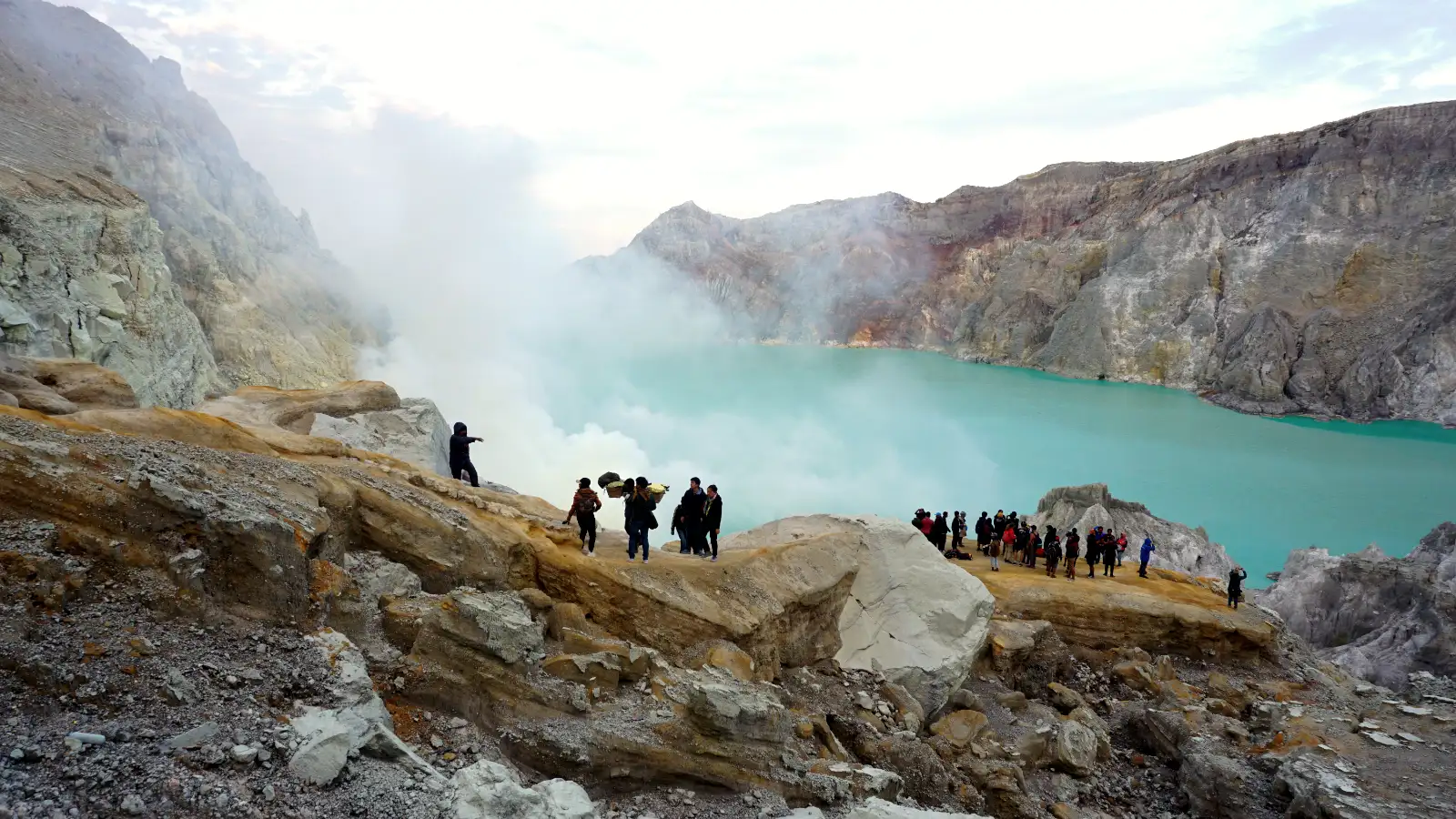
Many travelers worry that missing the blue flames ruins the trip. Oddly enough, the sunrise over the world’s largest acidic lake is often more visually stunning than the flames themselves.
The landscape transforms from pitch black to vibrant turquoise and pastel orange as the sun hits the sulfur clouds. You can read more about why it’s Ijen Crater worth visiting without the Blue Fire to manage your expectations before booking.
Continue Your Adventure
East Java is home to some of the most dramatic landscapes in Southeast Asia. If you are planning a trip, consider these highly-rated expeditions to complete your journey:
- Maximize your time with a Bromo Ijen Tour for the ultimate volcano duo.
- Relax after your hike by choosing a Ijen Crater Tour from Bali with a private driver.
- Witness the iconic sea of sand on a Mount Bromo Tour.
- For the hardcore adventurer, the Bromo Ijen Tumpak Sewu 4-Day Trip covers waterfalls and peaks.
- Explore the wild side of Java with a Bromo Ijen Sukamade Tour to see nesting sea turtles.
Frequently Asked Questions
Do I really need a gas mask for Ijen?
Yes, a respirator with a sulfur filter is essential if you plan to enter the crater. The fumes are toxic and can cause immediate coughing fits or dizziness if inhaled directly.
What is the best month to visit Ijen?
Dry season, typically from May to September, offers the clearest skies and safest trail conditions. During the rainy season, the trail becomes extremely muddy and the Blue Fire is often extinguished by downpours.
Is there a way to avoid the steep hike?
Local sulfur miners operate “trolley services” where they push travelers up the mountain for a significant fee. It is a viable option for those who find the incline too strenuous but still want to see the view.
How cold does it get at the summit?
Expect temperatures between 5°C and 12°C. Wind chill on the rim can make it feel much colder, so windproof layers are more effective than just heavy sweaters.
Can I see the Blue Fire every night?
No, the Blue Fire is a natural phenomenon that depends on gas pressure. On some nights it is massive and bright, while on others it is barely visible or completely absent.
Ready to Witness the Ijen Sunrise?
Secure your professional guide and transport today. We handle the logistics so you can focus on the adventure.