Ijen Toxic Gas Sulfur: How To Protect Your Lungs During The 2026 Hike
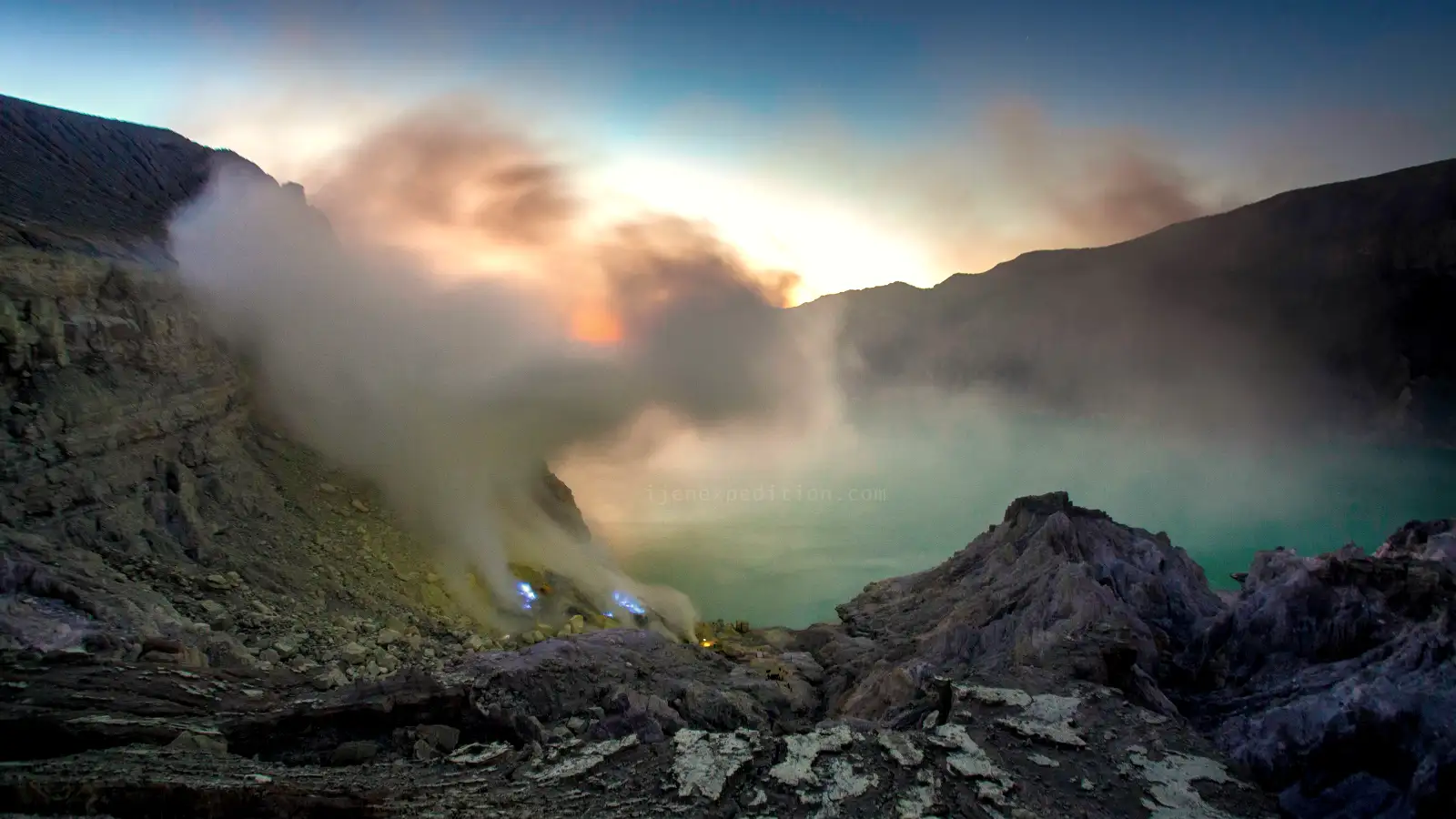
Are you concerned that the legendary blue fire might be obscured by a wall of choking sulfurous smoke? Consequently, many adventurers feel anxious about the physical toll of inhaling volcanic fumes while exploring East Java. However, witnessing the world’s largest acid lake is a life-changing event that should not be ruined by respiratory distress. Therefore, this comprehensive guide provides the medical-grade safety protocols you need to book your tour with total confidence. Specifically, we focus on high-altitude respiratory safety and professional gas mask rental strategies for a seamless experience. If you are planning an Ijen crater tour, understanding the air quality is your first step toward a successful summit.
Quick Safety Snippet:
To protect your lungs from Ijen toxic gas sulfur, you must wear a half-face respirator equipped with multi-gas cartridges (N95 or P100 filters). Avoid simple cloth masks, stay upwind of the sulfur vents, and never descend into the crater during high-density gas alerts.
In This Guide
1. Understanding Ijen’s Volcanic Atmosphere
2. Essential Lung Protection Gear
3. Expert Hiking Safety Strategies
4. Why Trust This Safety Guide
5. Frequently Asked Questions
Understanding the Ijen Volcanic Environment
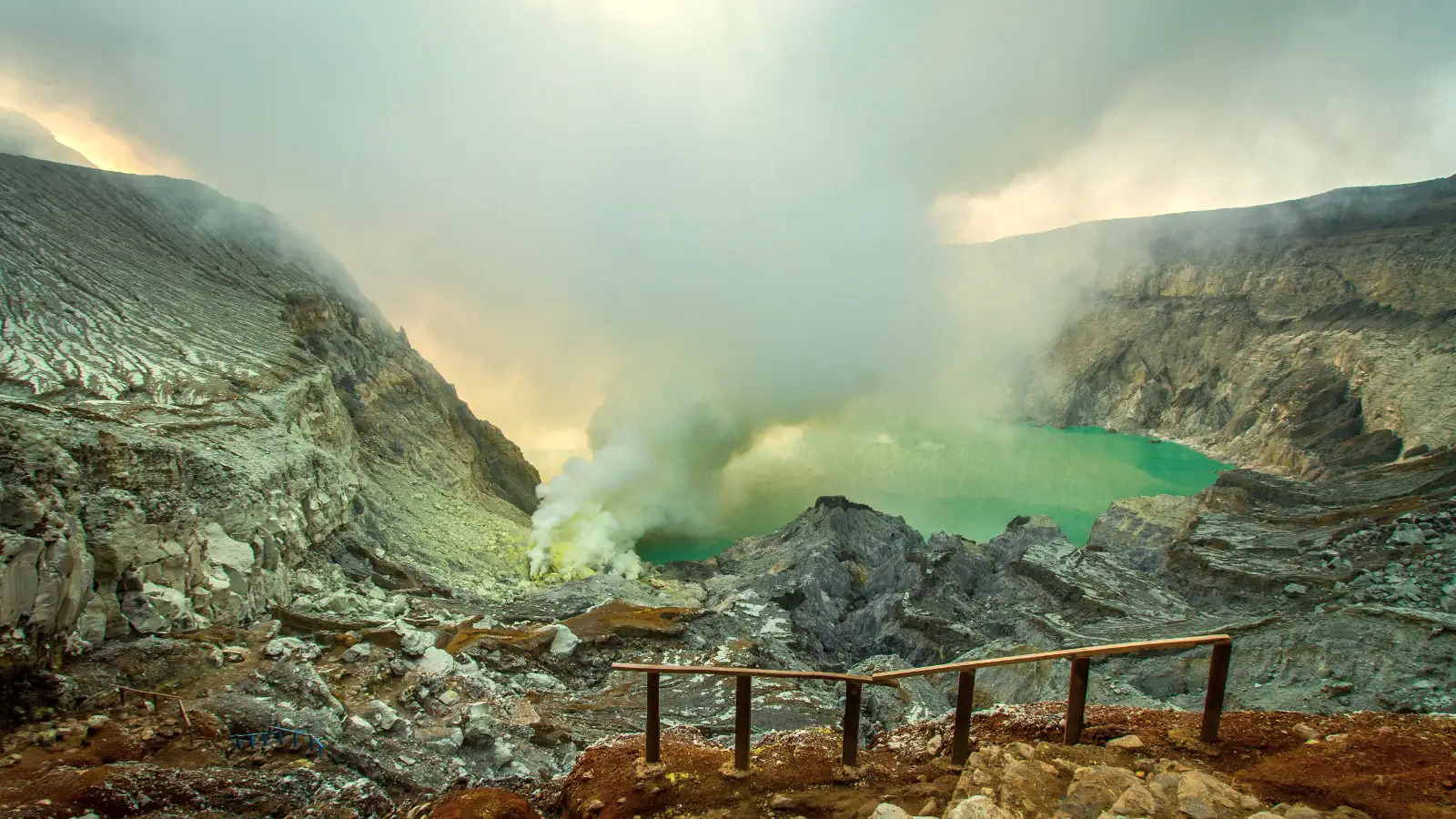
Volcanic activity at the crater creates a unique but harsh atmospheric condition. Specifically, the vents release high concentrations of sulfur dioxide (SO2) and hydrogen sulfide (H2S). These gases react with moisture in your lungs to create a mild sulfuric acid. Furthermore, the intensity of these sulfur clouds changes rapidly based on wind patterns and thermal activity. Understanding these dynamics is crucial for anyone attempting the Ijen crater rim walk during the early morning hours.
The Science of Sulfur Fumes
Sulfur dioxide is a heavy gas that often settles in low-lying areas of the crater. Moreover, its pungent odor acts as a natural warning system for your body. If you feel a tickle in your throat, you are already inhaling particles. Consequently, your body may trigger a coughing reflex to clear the irritants. Therefore, immediate movement to a higher elevation is usually the best physiological response.
Wind Direction and Visibility
Wind is your greatest ally or your fiercest enemy during the hike. Specifically, a strong breeze can push the volcanic fumes away from the hiking path in seconds. However, a sudden shift in wind can engulf the trail in thick, white smoke. Meanwhile, guides constantly monitor the air to ensure tourists stay in safe “pockets” of oxygen. Learning to read the clouds is a skill shared by the local sulfur miners who work there daily.
What You Need to Know
💡 Pro Tip: Never rely on a surgical mask or a simple bandana. These items provide zero protection against acidic gases and will only give you a false sense of security. Always verify the quality of the respiratory protection offered by your tour operator before starting the ascent.
🔥 Featured Expedition
Experience the mesmerizing Blue Fire with the safest, most professional guiding team in Banyuwangi. We provide premium industrial gas masks for every guest to ensure your lungs remain protected throughout the journey.
Essential Lung Protection Gear for Ijen
Protection begins with professional-grade equipment that filters out toxic particulates. Specifically, the Kawah Ijen environment requires gear that can handle acidic air. In addition, your gear must be comfortable enough for a steep two-hour climb. Most travelers find that high-quality mandatory equipment for Ijen makes the difference between a painful ordeal and a majestic adventure. Therefore, investing in or renting the right respirator is non-negotiable for your health.
The Industrial Respirator Mask
A half-face respirator with dual filters is the gold standard for this hike. Specifically, look for cartridges labeled for organic vapors and acid gases. These filters use activated carbon to neutralize sulfur molecules before they reach your throat. Furthermore, ensure the mask creates a tight seal against your skin. This seal prevents “leaks” that can occur if the mask is too loose or improperly fitted.
Eye Protection and Hydration
Sulfur gas does not just affect your lungs; it also irritates the mucous membranes in your eyes. Consequently, wearing tight-fitting goggles can prevent stinging and temporary redness. In addition, staying hydrated is a vital part of respiratory safety. Water helps keep your throat moist, making it easier to expel any dust you might inhale. Therefore, carry at least 1.5 liters of water during the trek to the acid lake.
Important Update: The appearance of the Blue Fire at Ijen Crater is highly unpredictable. It depends heavily on daily volcanic activity, gas density, and weather conditions. It is sometimes clearly visible, and sometimes not visible at all. To avoid disappointment, please contact us via WhatsApp to check the latest daily updates before you hike.
Expert Hiking Safety Strategies
Technical gear is only effective when paired with smart hiking behavior. Specifically, your movement should be slow and deliberate to minimize heavy breathing. Moreover, the Ijen toxic gas sulfur is most concentrated at the crater floor where the blue flames ignite. By respecting the power of the Ijen UNESCO Global Geopark, you ensure a safe return. Ultimately, your guide’s instructions are the most valuable safety tool in your possession.
Listen to Your Body
Altitude and gas can cause dizziness or lightheadedness in some individuals. Specifically, if you feel unwell, do not push yourself to reach the crater floor. Instead, inform your guide immediately and move back toward the rim. Furthermore, take frequent breaks to let your heart rate stabilize. This practice reduces the volume of air you need to inhale, effectively lowering your gas exposure.
Safe Descent Protocols
The descent into the crater is the most hazardous part of the journey. Specifically, the path is steep and often slippery with loose volcanic ash. If the gas clouds become too dense, guides will often halt the descent. In addition, keep your respirator on from the moment you reach the rim until you return. This consistency ensures that a sudden gust of wind doesn’t catch you off guard without protection.
Why Trust This Safety Guide
Our team consists of veteran volcanic guides and safety consultants with decades of experience in East Java. Specifically, we have escorted thousands of travelers through the sulfur fields of Ijen. Moreover, we maintain close ties with the local geological department to track volcanic gas levels daily. Furthermore, our equipment is inspected and sanitized after every single use. We prioritize your health above all else, ensuring that your adventure remains a positive, lifelong memory.
Continue Your Adventure
Once you have conquered the sulfurous peaks, your journey through Java is just beginning. Specifically, many travelers choose to expand their itinerary by booking a Mount Bromo tour to witness the iconic sunrise over the Sea of Sand. If you prefer a shorter trip, our Ijen sharing tour from Banyuwangi offers a budget-friendly way to see the blue fire safely. For the ultimate volcanic experience, we highly recommend our Ijen crater tour from Bali which handles all logistics for you. Whatever your choice, you can book your tour today to secure your spot on East Java’s most thrilling expeditions.
Ready for a Safe Ijen Adventure?
Don’t let the sulfur hold you back. Join our expert-led tours with premium safety gear included.
Frequently Asked Questions (FAQ)
Q: Is the sulfur gas at Ijen permanent?
A: Yes, the sulfur gas is a permanent feature of the active volcano. However, its density and the direction it blows change every minute based on local wind conditions.
Q: Can I hike Ijen if I have asthma?
A: It is generally not recommended for individuals with chronic respiratory conditions. If you choose to go, you must consult your doctor first and use a professional industrial respirator throughout the entire hike.
Q: How much does it cost to rent a gas mask?
A: Current rental fees for a standard respirator at the base camp are approximately 50,000 IDR. However, many premium tour packages already include this equipment for free.
Q: Will the sulfur ruin my clothes or camera?
A: The gas can leave a lingering scent on fabrics, and the acidic air can potentially damage sensitive electronics. It is wise to bring a rain cover for your camera and wear clothes you don’t mind washing thoroughly.
Q: Is it safe to descend into the crater floor?
A: It is safe only when the volcanic alert levels are low and you are accompanied by a professional guide. Always follow local regulations, as the crater floor can be closed if gas activity spikes.