How Old Is Mount Bromo? Discover the Ancient History of This Active Giant
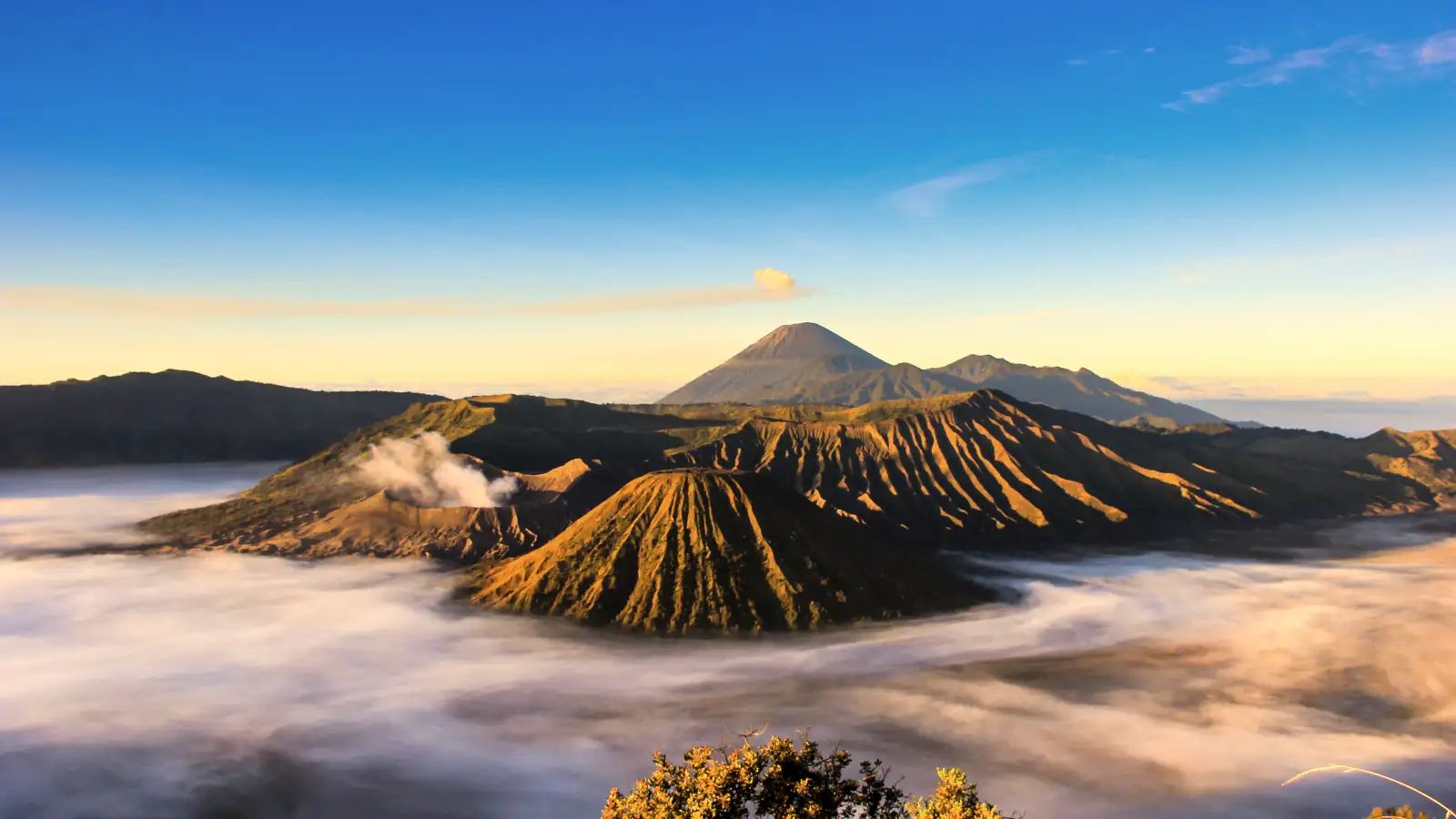
Mount Bromo is relatively young in geological terms, with its current volcanic cone likely forming within the last 8,000 years. This active vent sits inside the much older Tengger Caldera, a massive volcanic complex that began its activity approximately 820,000 years ago during the Pleistocene epoch. Understanding the age of this landmark requires looking at several distinct phases of collapse and growth that shaped the East Javanese landscape.
Travelers often visit this site for the sunrise, but the ground beneath their feet holds nearly a million years of seismic drama. If you are looking to witness this history firsthand, you can easily book your tour to explore the caldera floor and the active crater rim.
What You Need to Know
- Current Cone Age: Approximately 8,000 years.
- Tengger Complex Age: Over 820,000 years of activity.
- Caldera Formation: The current “Sand Sea” formed roughly 33,000 to 45,000 years ago.
- Active Status: One of the most active volcanoes in Indonesia with frequent small eruptions.
- Location: Bromo Tengger Semeru National Park, East Java.
Table of Contents
The 820,000-Year Geological Timeline
The story of Mount Bromo did not start with the small smoking cone we see today. Geologists trace the origins of the Tengger volcanic complex back to the mid-Pleistocene. This era saw the rise of a massive “proto-Tengger” volcano that dominated the skyline of East Java long before humans arrived.
Massive tectonic shifts along the Sunda Arc fueled this growth. Over hundreds of millennia, the mountain reached heights far exceeding the current peaks. Why Mount Bromo is Indonesia’s most visited volcano today is largely due to this complex geological evolution that created such a unique, accessible landscape.
| Era / Timeframe | Geological Event |
|---|---|
| 820,000 Years Ago | Initial activity of the Tengger volcanic complex begins. |
| 150,000 Years Ago | First major collapse creates the Ngadisari Caldera. |
| 33,000 – 45,000 Years Ago | The massive Sand Sea (Segara Wedi) caldera forms. |
| ~8,000 Years Ago | The modern Mount Bromo cone begins to emerge. |
How the Bromo Cone Formed
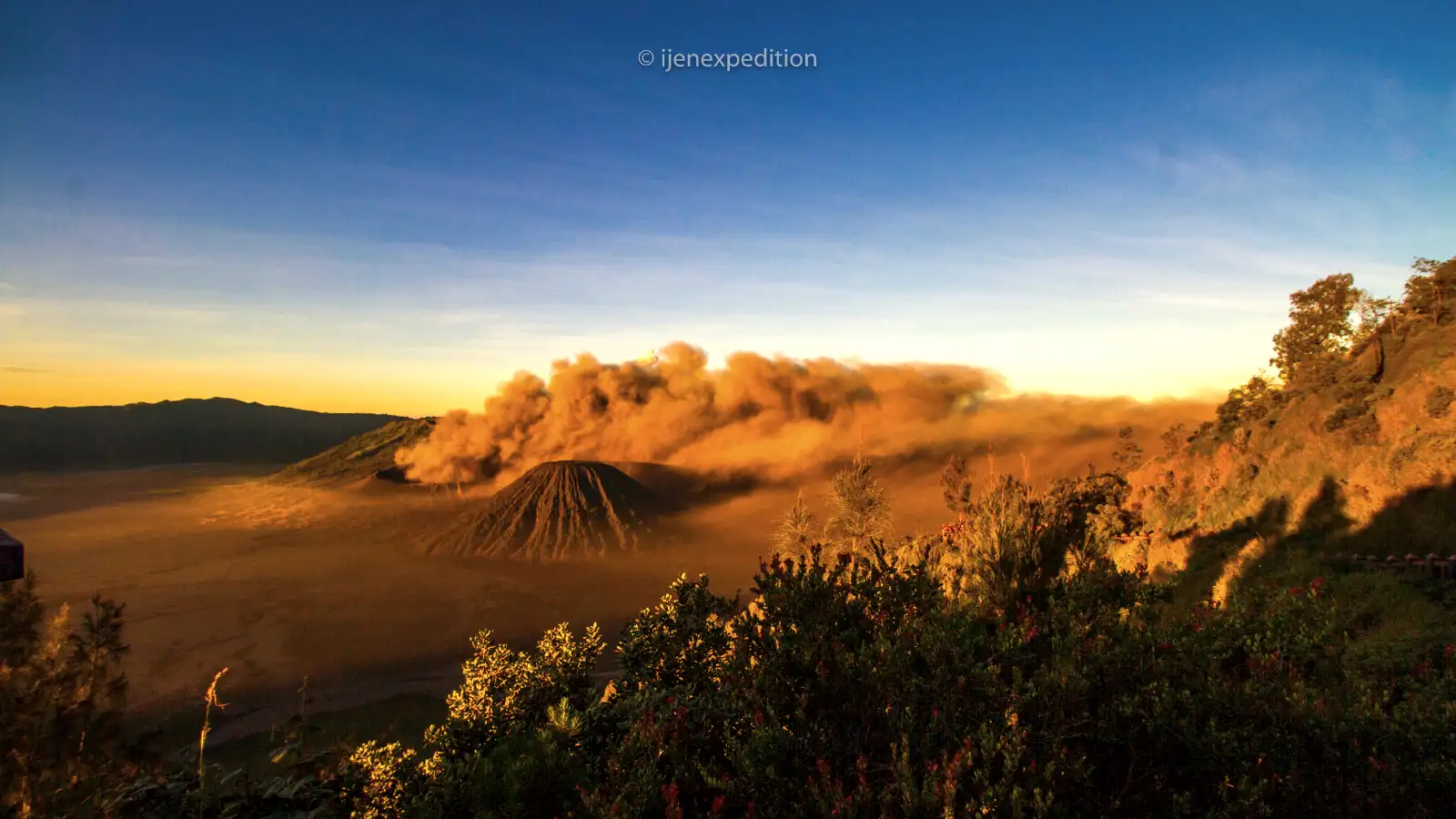
Post-caldera activity is what birthed the current Bromo cone. After the massive Sand Sea collapse, volcanic activity didn’t stop but rather migrated. Several smaller vents emerged from the flat caldera floor, including Mount Batok (now extinct) and the famously active Mount Bromo.
Ash and lava accumulated over the last few thousand years to build the symmetrical cone. Unlike the larger Mount Semeru nearby, Bromo remains relatively short. This height makes it remarkably easy for visitors to reach the summit rim. For those comparing sites, understanding Mount Bromo tour options is the first step in planning a visit to this young geological marvel.
🔥 Featured Expedition
Witness the raw power of one of Earth’s youngest active volcanic cones with an expert-led sunrise trek. Experience the vastness of the Tengger Caldera before the crowds arrive.
The Secret History of the Tengger Caldera
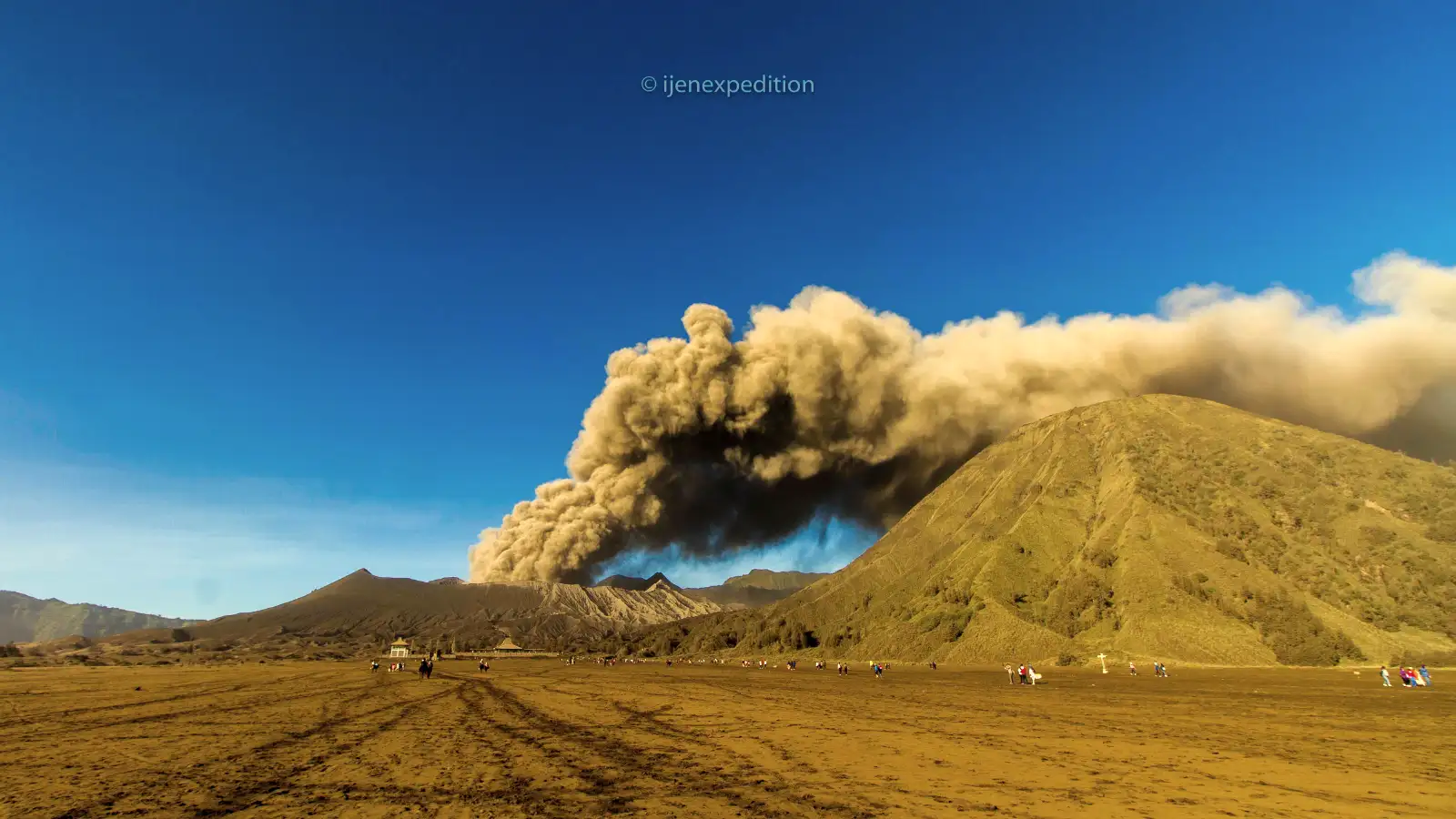
The “Sand Sea” you walk across to reach Bromo was once the interior of a massive volcano. Scientists estimate this ancient peak was significantly taller than the current highest point in Java. A series of catastrophic eruptions caused the peak to hollow out and eventually collapse inward, creating the 10-kilometer wide basin.
Evidence of these ancient explosions is visible in the layered rock of the caldera walls. Recent studies on Mount Bromo last eruption travel tips & warnings highlight how this system is still very much alive. The caldera floor is constantly being reshaped by fresh layers of volcanic ash and seasonal rains.
Modern Volcanic Activity and Eruptions
Bromo is not a “once in a lifetime” event volcano but a frequent actor. It typically experiences small phreatic eruptions—explosions driven by steam—every few years. These events keep the landscape looking barren and “lunar,” as vegetation struggles to take root near the crater.
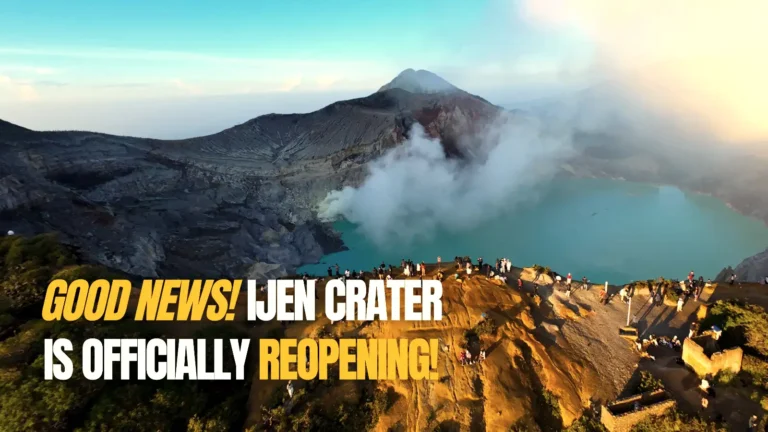
Monitoring stations now track every tremor and gas emission. Travelers often wonder about Bromo vs Ijen: why you should visit both volcanoes, noting that Bromo is more about the raw power of ash while Ijen is famous for its acidic lake. Both offer different chapters of Java’s long volcanic story.
Eruption cycles are unpredictable but generally give warning. Local authorities strictly manage access to the rim during periods of increased seismic activity. This ensures that while the volcano is ancient and powerful, visiting remains a safe experience for the average traveler. Many choose the Mount Bromo tour from Surabaya 2-day 1-night to balance travel time with geological exploration.
Why Trust This Guide?
Our team consists of veteran field reporters and local geology experts who have spent decades navigating the Tengger region. We don’t just aggregate data; we consult with local park rangers and vulcanologists to provide the most accurate geological context possible. This guide is built on real-world experience and up-to-date scientific findings regarding the Bromo-Tengger-Semeru National Park.
Who Should Skip This Trip?
Mount Bromo is magnificent, but it is not suitable for everyone. Travelers with severe respiratory issues, such as asthma or chronic bronchitis, should think twice. The air at the rim frequently contains high concentrations of sulfur dioxide and fine volcanic ash which can trigger respiratory distress.
Families with very young toddlers may find the environment challenging. The walk across the “Sand Sea” is dusty, windy, and often requires navigating through crowds of horses and jeeps. If your schedule is extremely tight, the long transit times from major cities might feel more exhausting than rewarding. Truth be told, if you dislike early mornings—specifically 3 AM wake-up calls—this journey may test your patience more than your sense of wonder.
Continue Your Adventure
If you’re fascinated by the geological age of Mount Bromo, you shouldn’t stop there. East Java is a hotspot for volcanic wonders that tell a much larger story of the Earth’s crust. Consider expanding your trip with a Mount Bromo sunrise tour package or diving deeper into the Bromo Ijen tour to see the contrast between these active giants. If you’re short on time, knowing how many hours you need at Mount Bromo can help maximize your schedule. For a truly unique comparison, discover what makes Mount Bromo different from other volcanoes in the Indonesian archipelago.
Frequently Asked Questions
Is Mount Bromo still growing?
Yes, Bromo is an active stratovolcano. While it doesn’t grow significantly in height every year, fresh layers of ash and occasional lava flows contribute to its evolving shape.
When was the last major eruption?
The last major disruptive eruption occurred in 2011, though there have been several smaller ash-venting episodes since then that required closing the park temporarily.
How did the Sand Sea form?
The Sand Sea is the floor of a massive caldera that formed roughly 45,000 years ago when a much larger volcano collapsed after a series of enormous eruptions.
Can you walk inside the Bromo crater?
No, you can only stand on the rim. The interior is a sheer drop into an active volcanic vent that frequently emits toxic gases and steam.
Is the age of the volcano scientifically proven?
Geologists use radiocarbon dating and stratigraphic analysis of ash layers to determine the age. The 820,000-year figure for the complex is widely accepted in scientific literature.
Ready to Walk Through Geological History?
Join our expert guides for an immersive journey into the heart of the Tengger Caldera. We handle all the logistics so you can focus on the view.