How Much Cash Should You Bring? Essential Travel Budget Guide
Getting stuck at a remote mountain pass or a rural ferry terminal without physical money is a traveler’s nightmare. Digital payments are growing globally, yet many of the world’s most breathtaking regions still demand cold, hard cash. Planning your wallet correctly ensures you focus on the views rather than searching for a working ATM at midnight.
Most travelers should carry enough cash to cover 48 hours of all expenses plus a $200 emergency reserve. This typically equates to $50–$100 per day for backpackers and $200–$400 for luxury travelers. Before you head out, securing a reliable tour helps minimize the amount of daily cash you need to carry for big-ticket items.
What You Need to Know
- ✅ Cash is King: Rural markets, local transport, and remote guides rarely accept cards.
- ✅ The 48-Hour Rule: Always have enough local currency to survive two days without an ATM.
- ✅ Backup Strategy: Carry $200 in crisp, new USD bills for emergencies.
- ✅ Pre-Paid Tours: Booking ahead reduces the physical cash you must carry through crowds.
Table of Contents
The Reality of Cash vs. Card
Relying solely on a shiny piece of plastic is a gamble once you leave major metropolitan hubs. Cards are perfect for high-end hotels and shopping malls in capital cities. However, local “warungs,” small guest houses, and entrance fees for natural parks often require physical bills.
Truth be told, ATMs in remote areas frequently run out of money or reject international chips. Technical glitches or power outages can render your digital wallet useless in a heartbeat. Because of this, maintaining a physical “buffer” is the difference between a smooth trip and a stressful ordeal.
Why Cash Still Rules Remote Regions
Small-scale vendors often lack the infrastructure or stable internet required for credit card processing. Fees for digital transactions can eat into the tiny profit margins of local artisans and family-run diners. Using cash also helps you avoid the 3% foreign transaction fees that many banks tack onto every swipe.
Oddly enough, having small denominations is just as important as the total amount. Paying for a $1 bottle of water with a high-value note often results in a polite “no” from vendors who lack change. Keep your large bills hidden and your small change accessible for quick purchases.
🔥 Featured Expedition
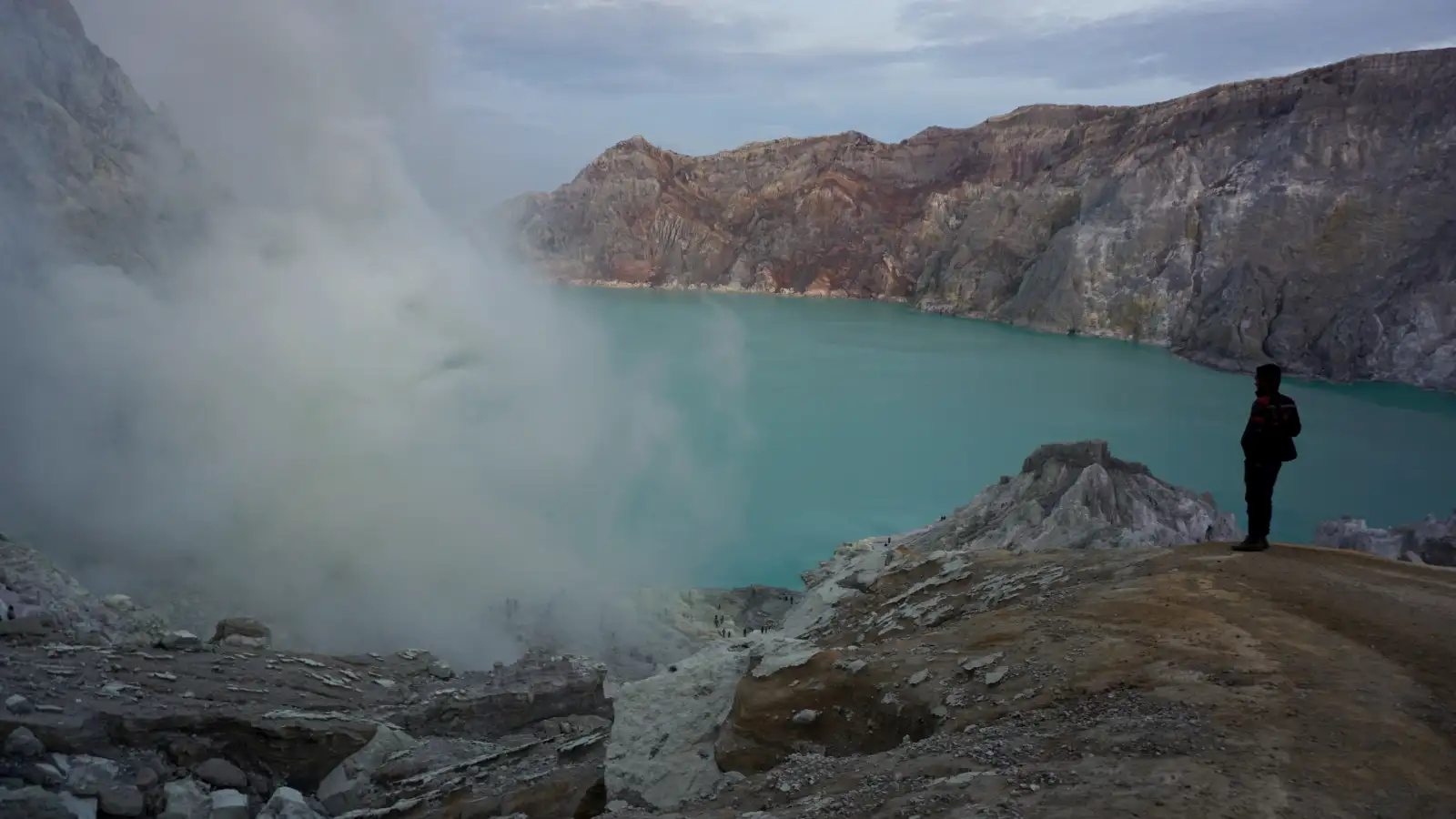
Experience the mesmerizing blue fire and sunrise of Ijen without worrying about local logistics or entrance fees. Our all-inclusive package covers transport and guides so you can keep your cash for souvenirs.
Estimating Your Daily Needs
Different travel styles dictate vastly different cash requirements. A backpacker might only need money for street food and shared dorms. Conversely, luxury travelers often face higher tipping expectations and private transport costs that add up quickly.
Calculating your baseline starts with identifying what is already paid for. If you have booked your tour and accommodation online, your daily cash needs drop significantly. This allows you to carry less and reduces the risk of loss or theft.
Backpacker Daily Needs
Budgeting for $40–$60 per day is usually sufficient for most developing regions. This covers simple meals, local bus fares, and a few cold beers at sunset. Always keep a separate “emergency stash” of $100 hidden in your big luggage just in case.
Hostel life often brings unexpected social costs like group dinners or shared taxi rides. Having exact change for these moments makes you a much better travel companion. Small bills are also essential for using public restrooms in many parts of the world.
Luxury Comfort Costs
Expect to need $150–$300 per day if you prefer private drivers and fine dining. While hotels take cards, tips for porters, drivers, and concierge staff must be paid in local currency. These small gestures ensure high-level service and gratitude from the locals who make your trip special.
Private guides often appreciate being paid their balance in cash to avoid heavy bank commissions. If you plan on purchasing high-end art or jewelry, verify if the shop offers a “cash discount.” You can often save 5–10% just by avoiding the credit card machine.
The Hidden Costs Nobody Tells You
Park entrance fees are the most common “surprise” expense for adventure seekers. Many national parks in Asia and South America only accept cash at the gate. These fees can range from $10 to $50, which can easily wipe out your daily budget if you aren’t prepared.
Tipping cultures vary wildly but usually require physical bills. Whether it is a few coins for a bathroom attendant or a larger note for a multi-day guide, cash is the standard. Failing to tip because “I only have a card” is a common traveler faux pas to avoid.
Emergency Buffers and Backup Plans
The “Emergency $200” is a non-negotiable rule for experienced field reporters. This should be in high-denomination, mint-condition USD bills. If you find yourself in a situation where the local currency is crashing or ATMs are down, the US dollar remains the ultimate global backstop.
Keep this reserve separate from your daily spending wallet. A waterproof pouch or a hidden pocket in your daypack is an ideal spot. You likely won’t need it, but the peace of mind it provides is priceless during a 2 AM arrival in a new city.
Safety and Currency Management
Splitting your cash is the smartest move you can make. Never keep all your bills in one wallet. Divide your money between your person, your daypack, and your main luggage to minimize the impact of a potential theft.
Using a “dummy wallet” is another pro tip for high-traffic tourist areas. This is a cheap wallet containing a small amount of cash and expired cards. In the unlikely event of a confrontation, you can hand it over without losing your actual funds or ID.
Continue Your Adventure
The best way to manage your budget is to package your experiences together. If you are starting in East Java, consider the Mount Bromo tour from Surabaya for a seamless transition. For those moving between islands, the Bromo Ijen tour from Bali covers all your transport needs. Travelers coming from Central Java often prefer the 4-day trek from Yogyakarta to Bali. For a mix of wildlife and volcanoes, the Sukamade adventure is unbeatable. Finally, the most complete journey is the 5-day total East Java expedition starting from Bali.
Why Trust This Guide
Our team consists of veteran field reporters who have navigated over 50 countries on six continents. We have faced frozen ATMs in the Andes and empty banks in the Indonesian highlands. We provide data-driven advice based on real-time traveler feedback and local expertise to ensure your journey is safe and budget-conscious.
Frequently Asked Questions
Is it better to exchange money at home or at the destination?
Usually, you get much better rates at your destination. Use a local ATM upon arrival for the most accurate exchange rate, but have some USD on hand just in case the airport machines are out of service.
Should I use a money belt?
Money belts are great for transit days when you are moving all your belongings. For daily sightseeing, a slim front-pocket wallet or a secure internal backpack pocket is often more comfortable and less obvious to pickpockets.
How much should I tip guides in Indonesia?
A standard tip for a good day-trip guide is roughly $5–$10 (IDR 75k–150k) per person. If you are on a multi-day tour, $15–$20 per day is a generous way to show appreciation for their hard work.
What if an ATM eats my card?
Always carry at least two different cards from two different banks. Only use ATMs located inside bank branches during business hours so you can speak to a manager if the machine malfunctions.
Is it safe to carry large amounts of cash?
Carrying large sums is never ideal, which is why booking all-inclusive tours is recommended. If you must carry significant cash, use the hotel safe and only take what you need for the next 24 hours.
Ready for a Stress-Free Adventure?
Stop worrying about ATM limits and currency exchange rates. Book an all-inclusive expedition and let us handle the logistics while you enjoy the journey.