How the Bromo Volcano Developed Inside the Tengger Caldera
What You Need to Know
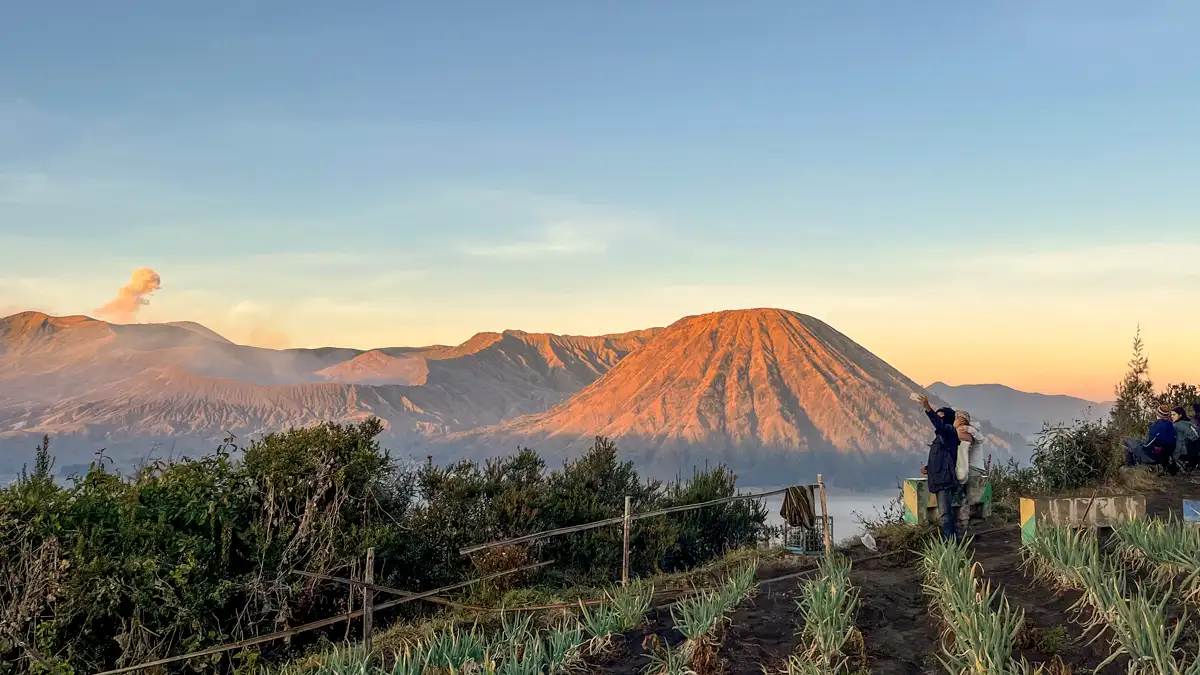
Mount Bromo is a young volcanic cone that emerged from the floor of the massive 10-kilometer-wide Tengger Caldera. This process, known as post-caldera volcanism, occurred after a prehistoric “super-volcano” collapsed inward thousands of years ago.
The current landscape features five distinct volcanic peaks, with Bromo being the only one that remains consistently active today. Travelers can explore this “Sea of Sand” and hike to the active crater rim for a firsthand look at East Java’s volcanic evolution.
Table of Contents
Mount Bromo sits as a scarred, steaming monument in the center of one of the world’s most dramatic volcanic depressions. Understanding how this specific peak grew requires looking back at a time when the horizon looked completely different. Booking your tour early is the best way to secure a spot to see this geological marvel in person.
The Ancient Tengger Massif
Long before the current cones existed, a massive stratovolcano dominated the skyline of East Java. Geologists refer to this ancestor as the “Old Tengger” volcano, which likely stood over 4,000 meters tall. Massive eruptions over hundreds of thousands of years built this towering edifice into a giant peak.
Deep beneath the earth, a massive magma chamber fueled this growth through constant tectonic pressure. This ancient giant was much larger than the current Mount Semeru, which now looms in the distance. Why Mount Bromo is Indonesia’s most visited volcano stems largely from this unique, accessible prehistoric footprint.
Eventually, the internal pressure reached a breaking point that the structure could no longer support. The peak did not simply erode; it underwent a violent transformation that redefined the entire region. Truth be told, the scale of this ancient mountain would have made Bromo look like a small hill by comparison.
The Great Caldera Collapse
Catastrophic eruptions eventually emptied the magma reservoir beneath the Old Tengger peak. Without the underlying support of the molten rock, the entire summit collapsed into the void below. This event created the Ngadisari and Sand Sea calderas, leaving a 10-kilometer-wide bowl-shaped depression.
Heavy volcanic debris and ash filled the surrounding valleys, creating the fertile but rugged terrain seen today. The floor of this basin became a barren wasteland known as the Segara Wedi or “Sea of Sand.” Bromo vs Ijen comparisons often highlight this specific sandy landscape as a primary differentiator for visitors.
🔥 Featured Expedition
Witness the raw power of the Tengger Caldera with an expert-led sunrise trek. Experience the geological wonders of Bromo and the surrounding peaks in one seamless trip.
Geological evidence suggests that the caldera formation occurred in multiple phases rather than a single event. Each collapse widened the basin, creating the nested appearance that modern geologists study with fascination. That said, the primary shape we see today has been relatively stable for several millennia.
The Emergence of Mount Bromo
New life began to stir within the quiet caldera floor as volcanic activity refused to die out completely. Fractures in the collapsed crust allowed magma to find new paths to the surface. Over time, several small cones began to build themselves up from the sandy floor.
Mount Bromo development was part of this post-caldera phase, alongside peaks like Mount Batok and Mount Kursi. While Batok became dormant and grew a covering of vegetation, Bromo remained fiercely active. What makes Mount Bromo different from other volcanoes is this continuous state of “youthful” eruption inside an ancient grave.
Constant ash venting and periodic lava flows built the Bromo volcanic edifice into its current cinder cone shape. The crater itself is a testament to the ongoing power of the vent, constantly reshaped by internal explosions. Oddly enough, the proximity of these multiple cones creates a landscape that feels more like the moon than Earth.
Volcanic Activity and Morphology
Mount Bromo is technically a “somma volcano,” which is a volcanic cone partially surrounded by a caldera rim. This structure creates a natural amphitheater that amplifies the roar of the escaping gases. Visitors often describe the sound as a deep, metallic growl echoing across the Sand Sea.
Phreatic eruptions, caused by groundwater turning to steam, are the most common occurrences at Bromo. These events can happen without warning, sending massive plumes of grey ash thousands of meters into the sky. First time visitors guide to Mount Bromo always emphasizes checking recent activity reports before starting the climb.
The crater rim is surprisingly narrow, offering a precarious view into the sulfurous depths below. Protective railings exist in some areas, but the terrain remains rugged and exposed to the elements. Because of this, proper footwear is non-negotiable for anyone planning to reach the summit.
Bromo Volcanic Complex Today
The Tengger volcanic massif is now a protected National Park, serving as a sanctuary for both geology and culture. Local Tenggerese people consider the volcano sacred, adding a human layer to the geological story. They perform the Yadnya Kasada ceremony annually, offering sacrifices to the crater.
Scientific monitoring stations now surround the caldera to track seismic tremors and gas emissions. These tools help predict potential eruptive phases, ensuring the safety of the thousands who visit daily. Mount Bromo hike difficulty is generally moderate, but the environment can change rapidly based on volcanic health.
Modern travelers can experience the entire geological timeline in a single morning. Starting at a high viewpoint on the caldera rim, you can see the massive scale of the ancient collapse. Descending into the Sand Sea allows you to touch the volcanic debris that continues to shape the basin today.
Who Should Skip This Destination?
While the Bromo volcano development is a site of world-class beauty, it is not for every traveler. People with severe respiratory issues or asthma should exercise extreme caution due to the high sulfur content in the air. The smell of rotten eggs is pervasive near the crater rim and can be overwhelming on windy days.
Families with very young infants might find the dust and temperature swings of the Sand Sea difficult to manage. The journey often begins at 3 AM in freezing temperatures, which can be taxing for those not used to early starts. Travelers looking for a relaxing, tropical beach vibe will likely find the harsh, dusty volcanic landscape quite jarring.
Finally, those with limited mobility may find the ascent challenging, even with the help of local ponies. The stairs to the rim are steep and often covered in slippery volcanic ash. If you prefer curated, manicured tourist paths, the raw and unpredictable nature of an active volcano might not be your ideal choice.
Continue Your Adventure
The Bromo volcanic complex is just the beginning of what East Java has to offer. Consider extending your journey to see the acidic blue flames of Ijen or the towering waterfalls of the south. Many travelers find that Java tours provide the perfect balance of adventure and logistics.
- Experience the Mount Bromo Sunrise Tour for the most iconic views of the caldera.
- Explore the Ijen Crater Tour from Bali to see the world’s largest acidic lake.
- Book a Bromo Ijen Tour to witness both volcanic giants in one trip.
- Take the Mount Bromo Tumpak Sewu Ijen expedition for the ultimate nature circuit.
- Discover the wildlife and beaches with a Bromo Ijen Sukamade Tour.
Frequently Asked Questions
Is Mount Bromo still active?
Yes, Mount Bromo is one of the most active volcanoes in Indonesia. It frequently vents steam and ash, though major eruptions that close the park are relatively rare. Local authorities monitor activity levels daily.
How deep is the Tengger Caldera?
The caldera floor sits roughly 200 to 300 meters below the surrounding rim. The outer rim, where most hotels are located, offers a sheer drop-off into the “Sea of Sand” below.
When did the Tengger Caldera form?
The caldera collapse occurred in stages over several thousand years. The most recent major collapse that formed the current Sand Sea floor is estimated to have happened around 45,000 years ago.
Can I walk inside the crater?
Walking inside the active vent is strictly forbidden and impossible due to the steep, unstable walls and toxic gases. You can, however, walk along the established rim path to look down into the smoking vent.
Why is it called the Sea of Sand?
The caldera floor is covered in fine volcanic ash and sand that has accumulated over centuries of eruptions. This 10-kilometer area lacks vegetation, creating a desert-like appearance in the middle of a tropical island.
Plan Your Volcanic Expedition
Ready to stand on the edge of the Tengger Caldera? Let our expert team handle the 4×4 transport and logistics for your Bromo adventure.
About the Author: Our field reporters specialize in Indonesian volcanology and sustainable travel. We provide data-driven insights to help travelers navigate the rugged beauty of East Java with confidence.