Complete Budget Guide for Traveling from Bali to Ijen: Save Money on Your Volcanic Trek
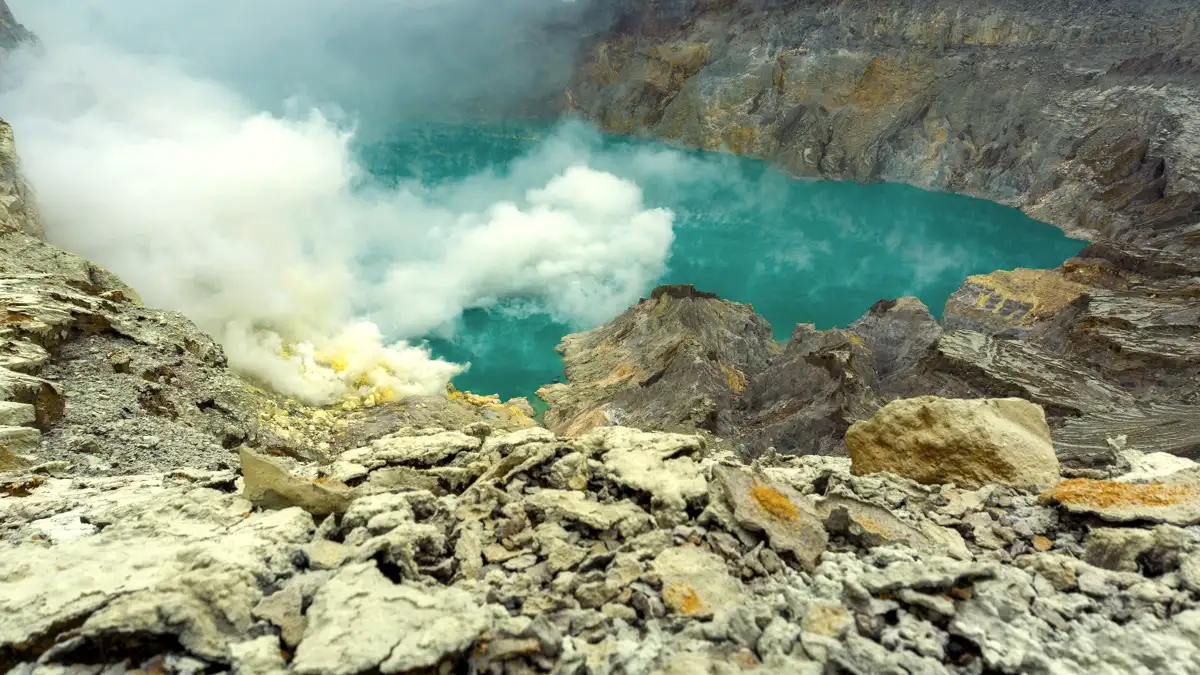
Crossing the Bali Strait to witness the world’s largest acid lake is a dream for many backpackers. However, navigating the logistics of Gilimanuk port and finding honest transport can quickly drain your wallet. Therefore, it is crucial to plan your East Java logistics before you leave the southern beaches behind.
Specifically, this guide breaks down every rupiah so you can focus on the Kawah Ijen sunrise instead of the stress. Meanwhile, we focus on helping you secure your spot online to avoid last-minute price gouging at the ferry terminals. Ultimately, your journey from Bali to Java should be an adventure, not a financial headache.
What You Need to Know
First, the ferry between Bali and Java runs 24/7, making it easy to cross anytime. Consequently, you don’t need to rush for a specific boat. In addition, always view the latest price tables for local transport to ensure you are paying the standard local rates.
- Travel Time: Expect a 4 to 6-hour journey from West Bali to the crater base.
- Best Entry: Most travelers use Ketapang Harbor as their primary base.
- Permits: Official entry tickets must be booked online via the government portal.
In This Guide
1. Navigating Transport Logistics from Bali
2. Estimating Your Total Budget
3. Hiking Gear and Preparation
4. Safety and Environmental Awareness
5. Frequently Asked Questions
Navigating Transport Logistics from Bali
Traveling from Bali to Ijen requires a strategic approach to avoid unnecessary private car costs. For instance, taking a local bus from Ubung terminal in Denpasar to Gilimanuk is the most cost-effective method. Moreover, the Banyuwangi ferry crossing only costs a few dollars and takes roughly 45 minutes to reach Java.
Once you arrive at Ketapang Harbor, you will need a way to reach the mountain base. Therefore, many backpackers choose to rent a scooter or arrange a professional transport service to meet them at the port. This prevents you from being harassed by “touts” who often overcharge for short distances.
The Ferry Crossing Experience
Boats depart every 20 to 30 minutes from the Gilimanuk port in West Bali. Furthermore, you can simply walk onto the boat and pay at the ticket counter using an electronic money card. Because of this, you should ensure your “e-money” or “Brizzi” card is topped up before reaching the remote port area.
In reality, the crossing is smooth, but the waiting times for vehicle loading can be unpredictable. Consequently, arriving at the port at least an hour before your desired Java arrival is wise. If you prefer comfort, hiring a private driver from Bali all the way to Ijen is possible, though significantly more expensive.
Arriving in Banyuwangi
Banyuwangi serves as the gateway to the crater and offers various budget-friendly guesthouses. Specifically, look for accommodation near the Karangasem train station or the harbor for easy access. In addition, you can find a wealth of information in our Ijen crater travel guide to help you pick the best neighborhood for your stay.
Local warungs (small cafes) in this area provide incredibly cheap meals compared to the tourist hubs in Bali. Therefore, dining locally is an easy way to keep your daily expenses under twenty dollars. Many of these hosts also offer gas mask rental and warm jackets for a small fee.
🔥 Featured Expedition
Skip the transport stress with our top-rated journey directly from your hotel in Bali to the volcano rim. Experience the magic of East Java with expert guides and seamless logistics included.
Estimating Your Total Budget
Budgeting for a volcanic trek involves more than just the entry ticket. Specifically, you must account for the midnight transport to the Paltuding base camp, which is where the hike begins. Meanwhile, the current entrance fee for international visitors remains higher on weekends, so aim for a weekday trip to save money.
Furthermore, it is essential to reserve your entry permits ahead of time. This is because the national park has a daily visitor quota, and showing up without a QR code can result in being turned away. Below is a breakdown of the typical costs you might encounter during your trip.
| Item Category | Estimated Cost (IDR) | Notes |
|---|---|---|
| Public Bus (Bali) | 60,000 – 100,000 | Price depends on air-conditioning. |
| Ferry Ticket | 10,000 – 15,000 | Per foot passenger. |
| Entrance Fee | 100,000 – 150,000 | Weekday vs. Weekend rates apply. |
| Gas Mask Rental | 50,000 | Essential for the sulfur gas. |
| Local Guesthouse | 150,000 – 250,000 | Average per night for a clean room. |
Hiking Gear and Preparation
Temperatures at the summit can drop significantly before the midnight trek begins. Therefore, packing layers is the most important advice we can give to any traveler. Specifically, you should check our mandatory equipment list to ensure you aren’t shivering while waiting for the sun.
Proper hiking gear, especially shoes with good grip, is non-negotiable for the steep, sandy path. Moreover, many travelers underestimate the physical toll of the 3-kilometer ascent. If you aren’t confident in your fitness, you might consider using the local trolley service provided by the sulfur miners.
Choosing the Right Time
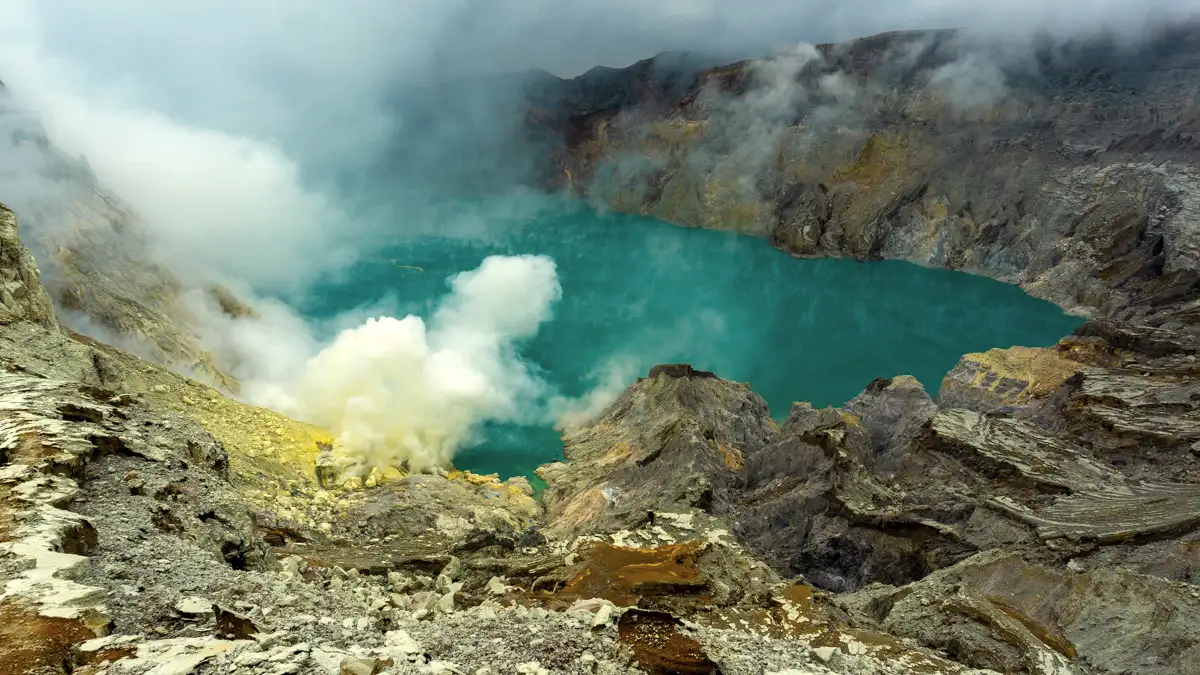
Timing your visit is crucial for the best visibility of the volcanic lake. For instance, the dry season typically offers clearer skies and safer trails. In addition, checking the optimal weather windows can help you avoid the heavy rains that often mask the crater in thick fog.
Most tours depart from Banyuwangi around midnight to arrive at the rim by 3:00 AM. Consequently, you should try to sleep during the afternoon to prepare for the long night ahead. This schedule allows you to see the stars and the pre-dawn glow over the acid-filled caldera.
Safety and Environmental Awareness
Mount Ijen is an active volcano, and safety should always be your primary concern. Specifically, the sulfur gas can be extremely toxic depending on the wind direction. For this reason, you must always wear a professional-grade respirator when descending into the crater.
Respecting the sulfur miners who work in these harsh conditions is also vital. These men carry up to 80kg of sulfur on their shoulders multiple times a day. Therefore, always step aside to let them pass on the narrow trails and consider buying a small sulfur carving to support their community.
Protecting the UNESCO Geopark
Ijen is recognized as a UNESCO Global Geopark because of its unique geological features. Consequently, visitors are urged to follow a “leave no trace” policy to preserve this fragile environment. Avoid throwing trash or disturbing the natural rock formations along the rim.
In addition, you can see our all-inclusive options that focus on eco-friendly tourism practices. Working with licensed guides ensures that your presence supports the local conservation efforts. Ultimately, being a responsible traveler helps keep this wonder accessible for future generations.
Why Trust This Guide
Our team consists of seasoned East Java expedition experts who have climbed these trails hundreds of times. Therefore, we provide real-time data on trail conditions and pricing that you won’t find in generic travel blogs. Specifically, we maintain direct relationships with local communities and park rangers to ensure our advice is always accurate.
Because we operate locally, we understand the nuances of the Bali-to-Java transition better than anyone else. Moreover, our commitment to E-E-A-T (Experience, Expertise, Authoritativeness, and Trustworthiness) means we prioritize your safety and satisfaction. You can check current availability for our guided treks to see the difference that local expertise makes.
Frequently Asked Questions
Q: Is it safe to travel from Bali to Ijen solo?
A: Yes, many solo travelers make the journey using public buses and ferries. However, we recommend you browse the full tour itinerary if you want to avoid the stress of navigating transport alone at night.
Q: How long does the actual hike take?
A: Generally, the hike up takes about 1.5 to 2 hours depending on your fitness level. The path is well-maintained but steep in several sections.
Q: Do I really need a gas mask?
A: Absolutely. The sulfur fumes can be overwhelming and cause respiratory distress without a mask. Most local operators provide these as part of their service.
Q: Can I see the Blue Fire every night?
A: No, the Blue Fire is a natural phenomenon that depends on volcanic activity and weather. It is never guaranteed, but your chances are better during dry nights with low wind.
Q: Is there an age limit for the trek?
A: There is no strict age limit, but hikers should be in good health. Children and elderly visitors often use the trolley services to reach the rim comfortably.
Continue Your Adventure
If you have fallen in love with the volcanic landscapes of East Java, why stop at Ijen? You could easily extend your journey with a Bromo Ijen Tour from Bali 3D2N to see the famous sea of sand. For those with limited time, the Ijen Crater Tour from Bali 1 Day offers an intense but rewarding experience. Luxury seekers might prefer our curated Ijen Crater Tour from Seminyak or the Ijen Crater Tour from Ubud. For the ultimate East Java experience, don’t miss the Bromo Ijen Tumpak Sewu 4D3N package.
Ready for the Midnight Trek?
Don’t leave your Java adventure to chance. Secure your guide, transport, and equipment today for a stress-free volcanic experience.