Birding in Mount Ijen: An Expert Guide to Rare Javan Endemics
What You Need to Know
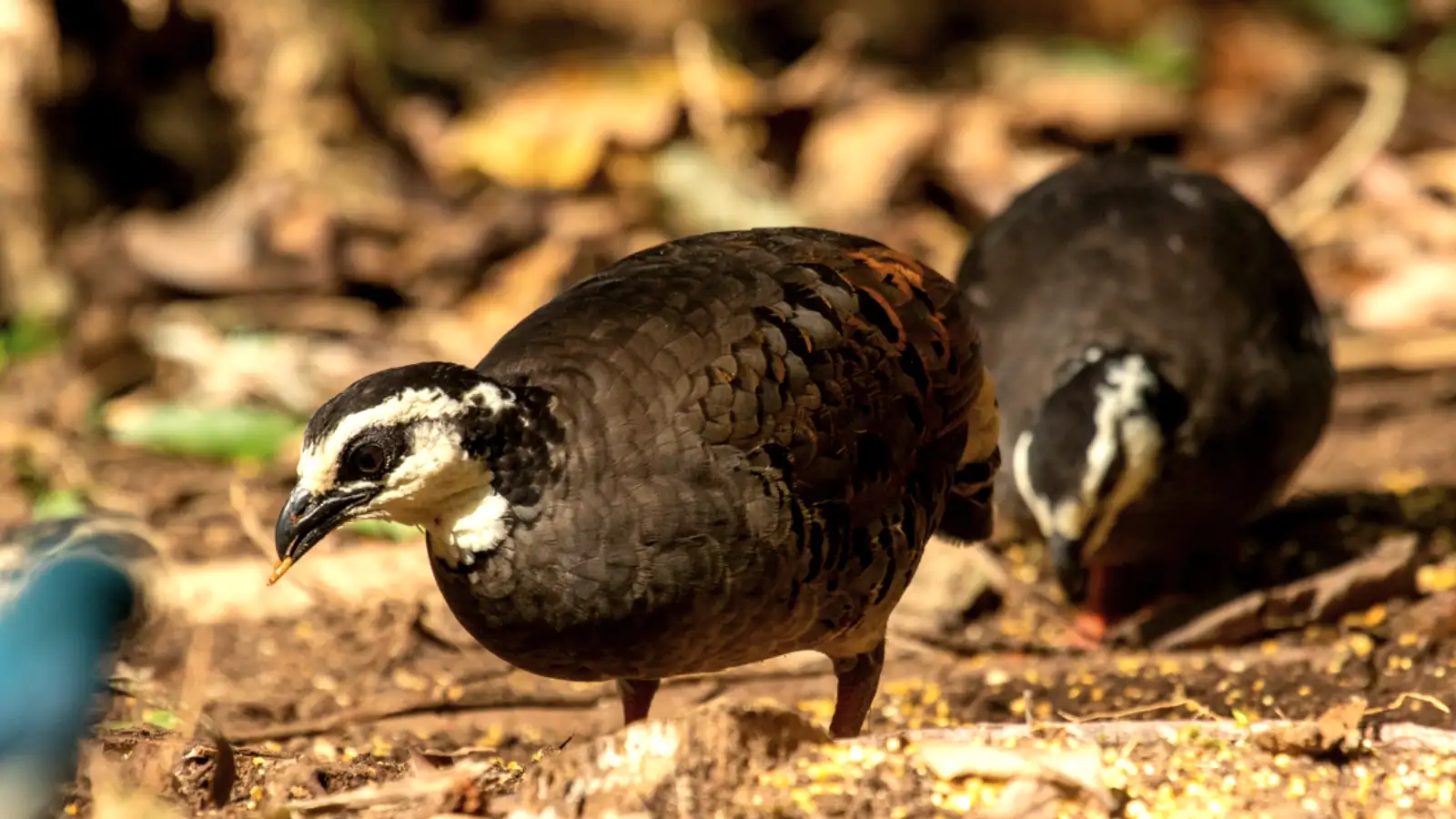
Birding in Mount Ijen offers a rare chance to spot the elusive Gray-breasted Partridge and Javan Hawk-Eagle within a prehistoric volcanic landscape. Most sightings occur along the main access roads and sub-montane forest trails between 1,000 and 1,800 meters above sea level.
To maximize your success, plan for early morning sessions starting at 5:00 AM, focusing on the mixed deciduous forests. High-quality binoculars and a local guide are essential for navigating the dense canopy and identifying rapid calls.
Secure your spot on a professional Ijen Birdwatching Tour to access private hides and expert local spotters.
Table of Contents
Why Birding in Mount Ijen is Unique
Mount Ijen serves as a critical biodiversity corridor in East Java, connecting the lowlands to high-altitude volcanic ecosystems. Truth be told, many travelers only visit for the blue fire, leaving the forest trails remarkably quiet for serious birders.
This isolation creates a serene environment where Javan endemics thrive undisturbed by large crowds. You can expect to hear the haunting call of the Chestnut-breasted Malkoha echoing through the mist-heavy valleys.
The terrain varies from lush tropical greenery to sparse, otherworldly volcanic slopes. Because of this diversity, the species count remains high across relatively short distances.
Important Update: The appearance of the Blue Fire at Ijen Crater is highly unpredictable. It depends heavily on daily volcanic activity, gas density, and weather conditions. To avoid disappointment, please contact us via WhatsApp to check daily updates before you hike.
Recent Sightings & Rare Javan Species
Recent field reports from professional observers like Roksana, Terry, and Made Surya confirm a vibrant avian population. The main road leading to the Paltuding base camp remains a hotspot for multi-species feeding flocks.
Observations have yielded incredible counts of the Sunda Minivet and the vibrantly colored Scarlet Minivet. These high-canopy dwellers often travel in groups, lighting up the deep green foliage with flashes of red and yellow.
Top Highland Specialists Recorded
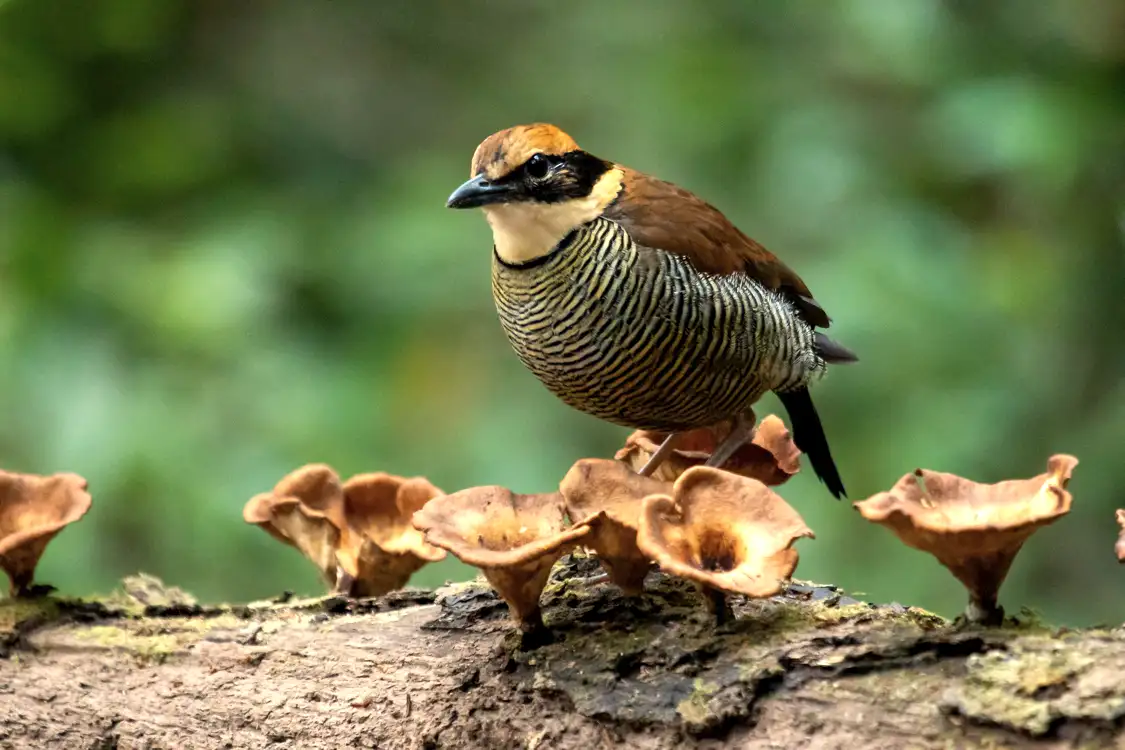
The following data represents verified sightings along the Ijen main road and surrounding forest patches. These records showcase the immense variety available to patient observers.
Arborophila orientalis
A ground-dwelling endemic often spotted near the undergrowth by quiet trekkers.
Nisaetus bartelsi
Indonesia’s national bird, occasionally seen soaring over the deep forested ravines.
Psilopogon javensis
Heard more often than seen, this colorful barbet is a staple of the sub-montane zone.
Harpactes oreskios
A striking bird that prefers the mid-canopy, requiring a sharp eye to detect.
Sitta azurea
Often seen spiraling down tree trunks in search of insects among the mossy bark.
Ptilinopus porphyreus
One of the most beautiful doves in the world, frequently visiting fruiting trees.
Other notable sightings include the Wreathed Hornbill and the elusive Javan Frogmouth. These species require specific lighting conditions and a deep understanding of local nesting habits to locate effectively.
🔥 Featured Expedition
Join our specialist-led hunt for the rare Gray-breasted Partridge using our exclusive birding hides and expert knowledge. This tour is designed for serious photographers and life-listers seeking Javan endemics.
Top Birding Locations on the Mountain
The Ijen main road is perhaps the most accessible and productive birding stretch in East Java. Walking slowly along the roadside early in the morning allows for wide scanning of both the valley and the hillside.
Paltuding, the gateway to the crater, offers a slightly higher elevation habitat for different species. In reality, the parking area itself often hosts curious Javan Mynas and high-altitude swiftlets.
Jagir Waterfall and the lower slopes near the coffee plantations provide a transition zone for lowland birds. This area is particularly good for spotting kingfishers and barbets that prefer slightly warmer temperatures.
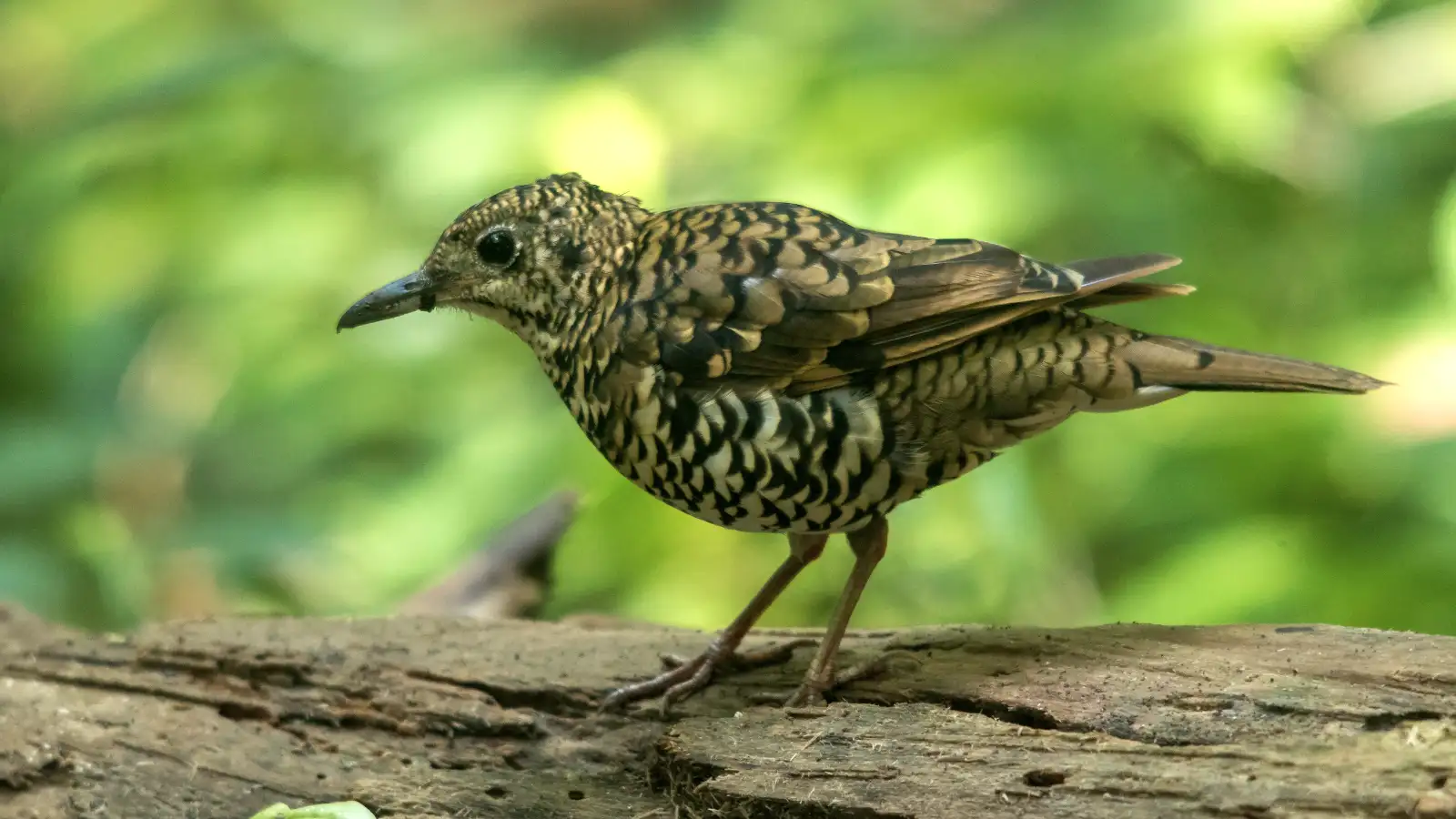
Field Logistics & Timing
Your birding day should begin before dawn to catch the “dawn chorus” as the forest wakes up. Most species are most active and vocal between 5:30 AM and 9:00 AM before the tropical sun becomes too intense.
Pack layers, as temperatures near the summit can drop significantly before sunrise. Proper footwear is non-negotiable, as trails can be slippery and uneven due to volcanic ash and moisture.
If your flight lands at Banyuwangi Airport at 1 PM, you can reach the mountain foothills by mid-afternoon. This timing allows for a productive evening session before checking into a nearby lodge.
Essential Birding Gear Checklist
- ✅ Optics: 8×42 or 10×42 binoculars are ideal for dense forest lighting.
- ✅ Photography: A 400mm+ lens is recommended for skittish canopy species.
- ✅ Reference: “The Birds of Indonesia” field guide or a digital birding app.
- ✅ Clothing: Earth-toned, moisture-wicking gear to blend into the environment.
Who Should Skip This Trip?
Birding in Mount Ijen is a rewarding but demanding pursuit that isn’t for everyone. Truth be told, the steep terrain and high altitude can be physically taxing for those with limited mobility.
Families with very young toddlers may find the long periods of silence and patient waiting difficult. The sulfur fumes from the crater can also be problematic for individuals with chronic asthma or respiratory issues.
If you are on an extremely tight schedule, the unpredictable weather might lead to frustration. Clouds often roll in by late morning, which can obscure visibility and dampen bird activity entirely.
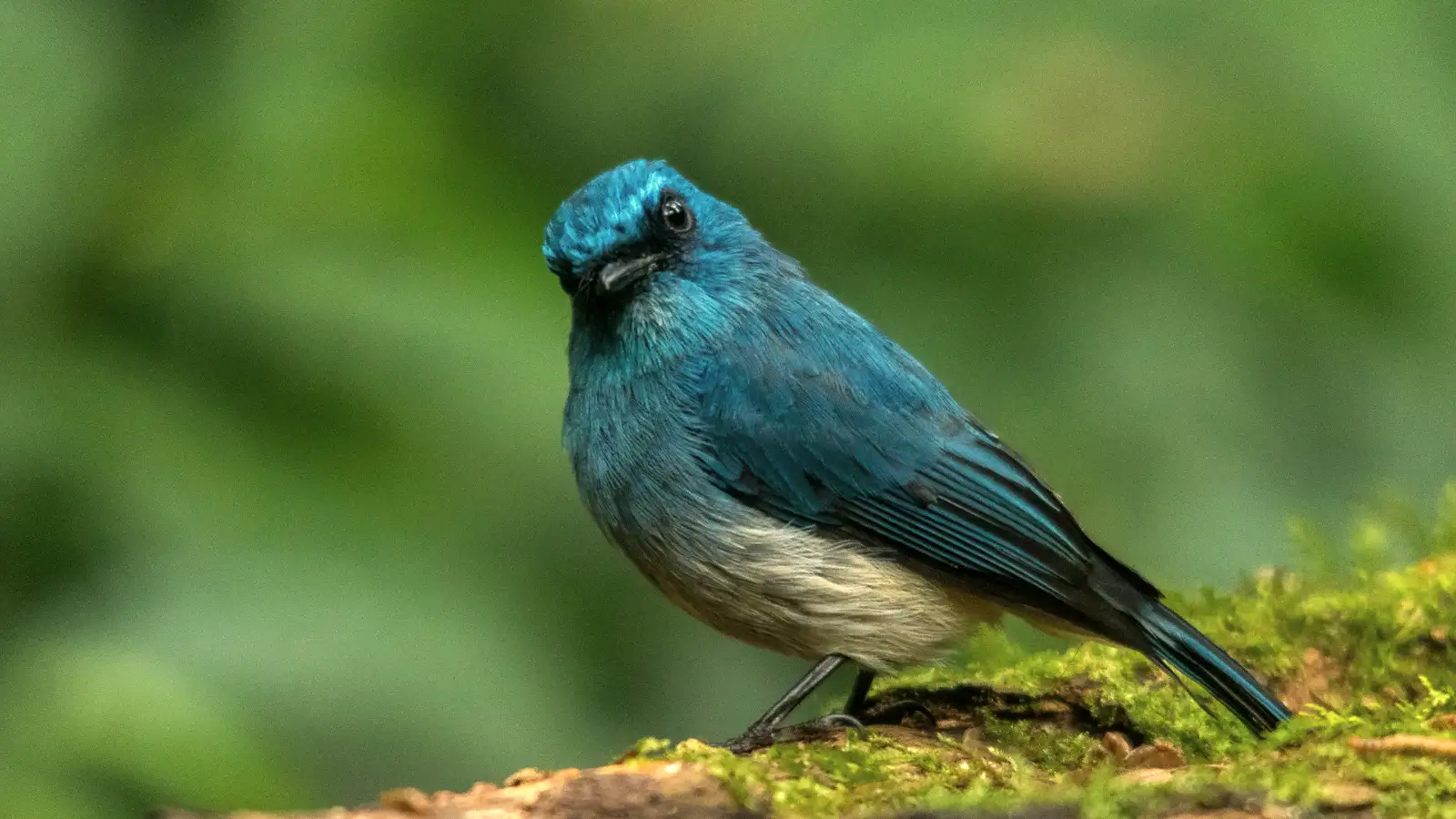
Why Trust This Guide?
This guide is built on hundreds of hours of field observation by veteran birding guides in East Java. We don’t just rely on maps; we track seasonal migrations and nesting patterns year-round.
Our data is cross-referenced with recent sightings from international experts and local researchers. This ensures that the logistical advice provided reflects current trail conditions and avian behavior.
Frequently Asked Questions
What is the best month for birding in Mount Ijen?
The dry season, typically between May and September, offers the most stable conditions and best visibility. During this time, birds are more active, and trails are significantly safer to navigate.
Do I need a special permit for birding?
Standard entrance tickets to the Ijen National Park cover birding, but professional film crews may require additional permits. Always check with a local tour operator for updated regulations.
Can I see the Javan Hawk-Eagle here?
Yes, though it requires patience and luck. They are often spotted soaring over the more remote ravines away from the main tourist hiking path.
Is a guide necessary for birdwatching in Ijen?
While you can bird on your own, a local guide who knows the specific calls and “secret” spots will increase your sighting rate by at least 70%. Many endemics are highly localized and hard to find without expert eyes.
Are there birding hides available?
Private hides exist specifically for spotting the Gray-breasted Partridge and other ground birds. These are usually managed by specialist birding tour companies and require advanced booking.
Book Your Mount Ijen Birding Expedition
Don’t leave your species list to chance. Join our expert-led tours and discover the hidden avian treasures of East Java’s volcanic highlands.