Birding Guide Around Mount Ijen (Photography): Spot Rare Java Endemics
What You Need to Know
Birding around Mount Ijen focuses on rare Javan endemics found in high-altitude montane forests. The primary target for many is the elusive Gray-breasted Partridge.
Early starts at 5:00 AM are standard to catch peak activity. Most photography happens between 1,000 and 1,800 meters elevation where light filters through the canopy.
Successful trips require a specialized guide who knows local calls and seasonal movements. You can secure your spot by checking the book your tour page for availability.
Table of Contents
Java’s eastern volcanic complex offers a unique microclimate for avian biodiversity. High-altitude forests provide a refuge for species that have vanished from other parts of the island.
Photography here presents distinct challenges due to steep terrain and varying light conditions. However, the reward is capturing birds that exist nowhere else on Earth.
Important Update: The appearance of the Blue Fire at Ijen Crater is highly unpredictable. It depends heavily on daily volcanic activity, gas density, and weather conditions. To avoid disappointment, please contact us via WhatsApp to check daily updates before you hike.
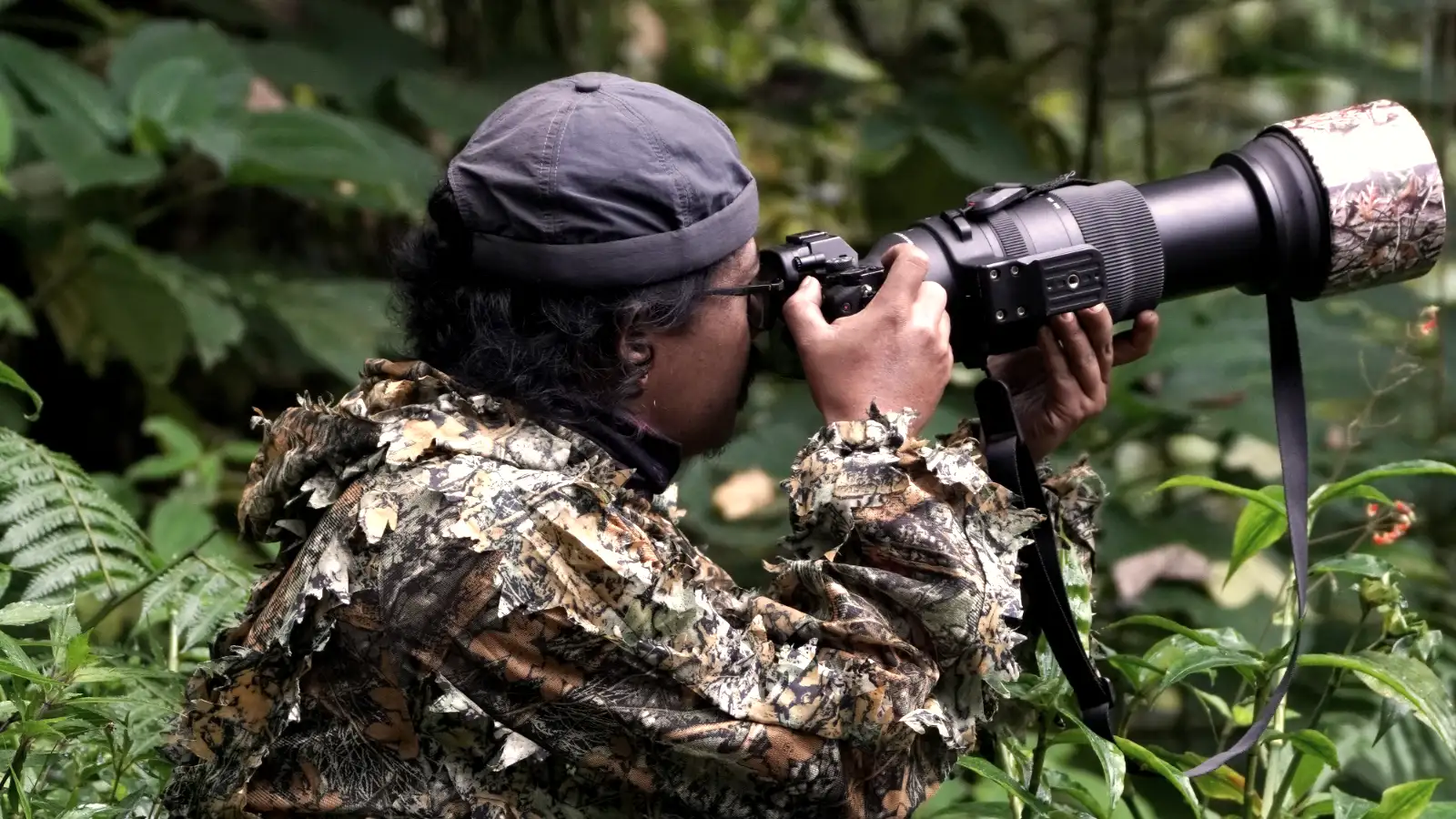
Meet Sam – Kawah Ijen Birding Guide & Gray-breasted Partridge Specialist
My name is Sam, and I live in Tamansari Village, Banyuwangi, East Java, Indonesia. My village lies directly on the foothills of the Ijen Mountain Range, giving me daily access to one of Java’s most important montane forest ecosystems.
Since 2018, I have dedicated myself to observing and documenting the birds of the Ijen Mountains. What began as a passion for wildlife photography has grown into a long-term commitment to studying the behaviour, habitats, and distribution of the region’s endemic bird species.
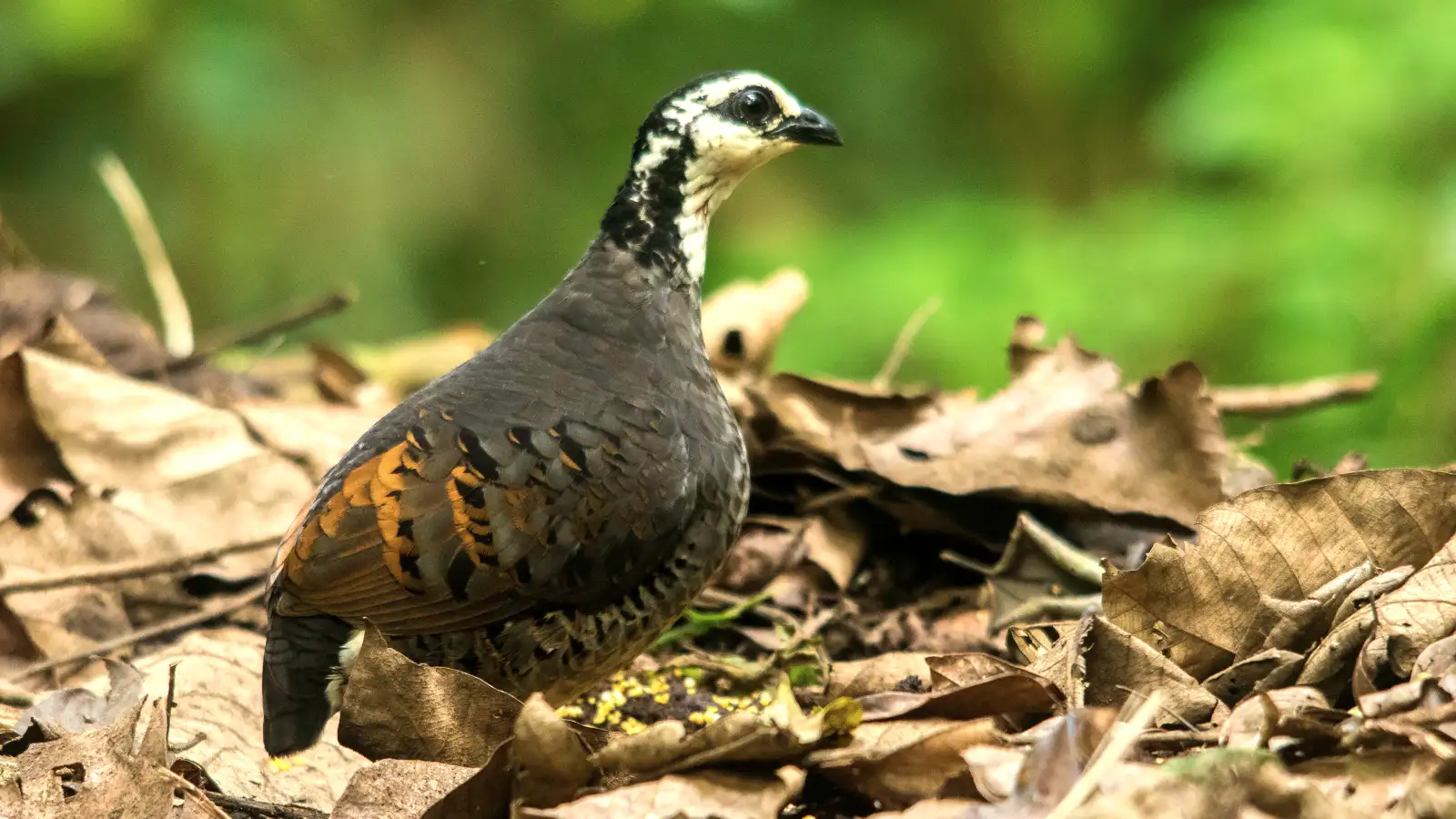
My primary focus is the Gray-breasted Partridge (Arborophila orientalis), one of Java’s rarest and most elusive endemic birds. Over years of continuous field observation, I have spent countless mornings and evenings following its calls, identifying preferred feeding areas, and monitoring seasonal movements.
As a local resident, I have developed an intimate understanding of the Ijen landscape, including its forest trails, bird habitats, and elevation zones. This local knowledge allows me to guide visiting birdwatchers and photographers to the best locations while respecting bird welfare.
Wildlife photography remains one of my greatest passions. Through my photographs, I aim to document the remarkable biodiversity of the Ijen Mountains and raise awareness of the importance of conserving Java’s unique birdlife.
Today, I specialize in private birding experiences around Kawah Ijen, with a particular emphasis on locating the Gray-breasted Partridge. I also guide visitors in search of other endemic and montane bird species found in East Java.
Top Species for Birding Photography at Mount Ijen
Focusing your lens on the Gray-breasted Partridge is the priority for most visiting photographers. This bird often hides in thick leaf litter, requiring a steady hand and high ISO capabilities.
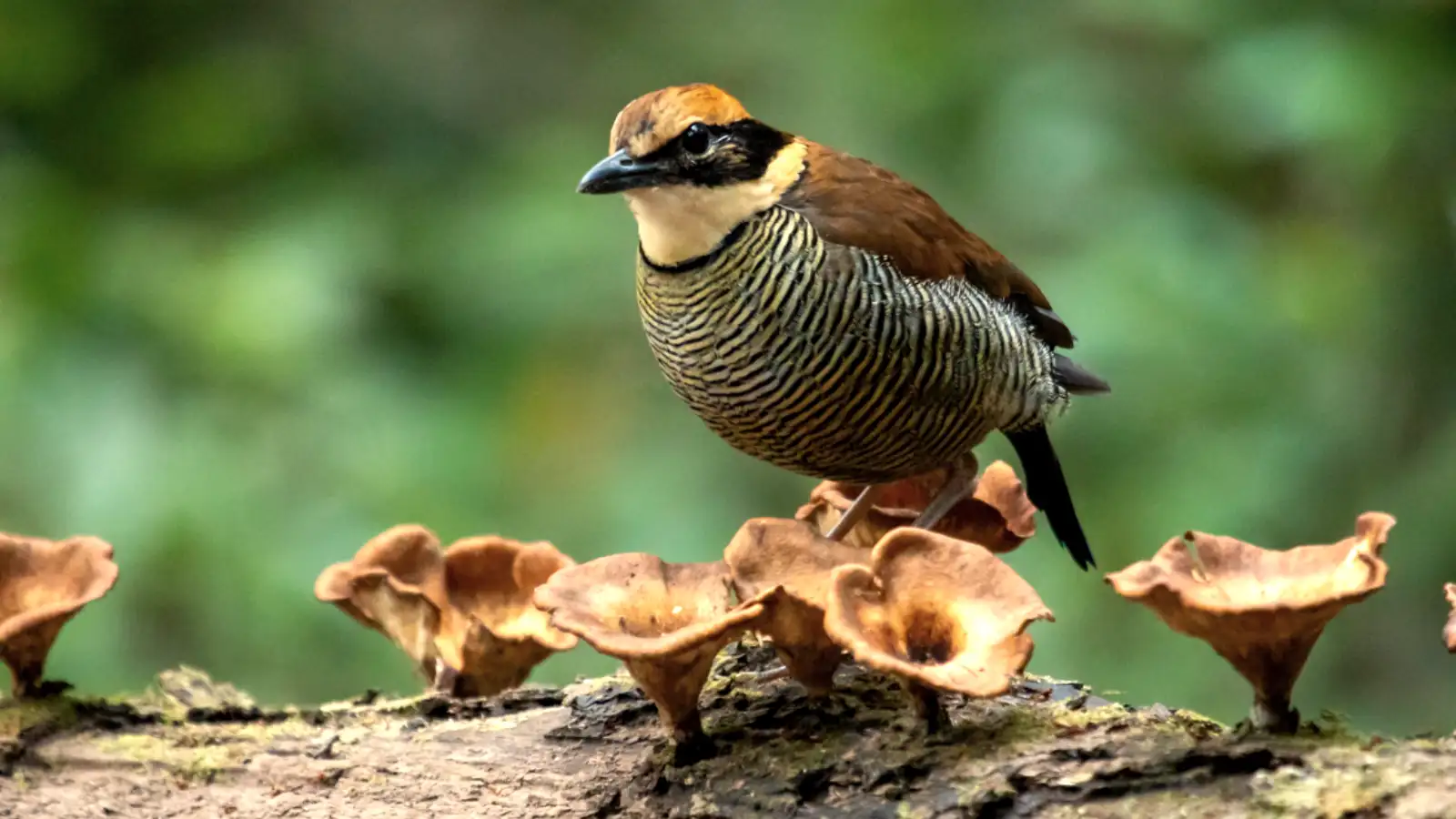
Javan Banded Pitta is another stunning target found in the lower elevations. Its vibrant colors pop against the dark forest floor, making it a favorite for portfolio pieces.
Dark-backed Imperial Pigeons often frequent the higher canopy near the crater rim. These larger birds are easier to spot but require a long telephoto lens to capture detail against the bright sky.
🔥 Featured Expedition
Combine your love for rare birds with a visit to the world-famous acid lake. Experience the full majesty of the volcanic landscape on a private Ijen Crater tour tailored to your pace.
Endemic Species Checklist
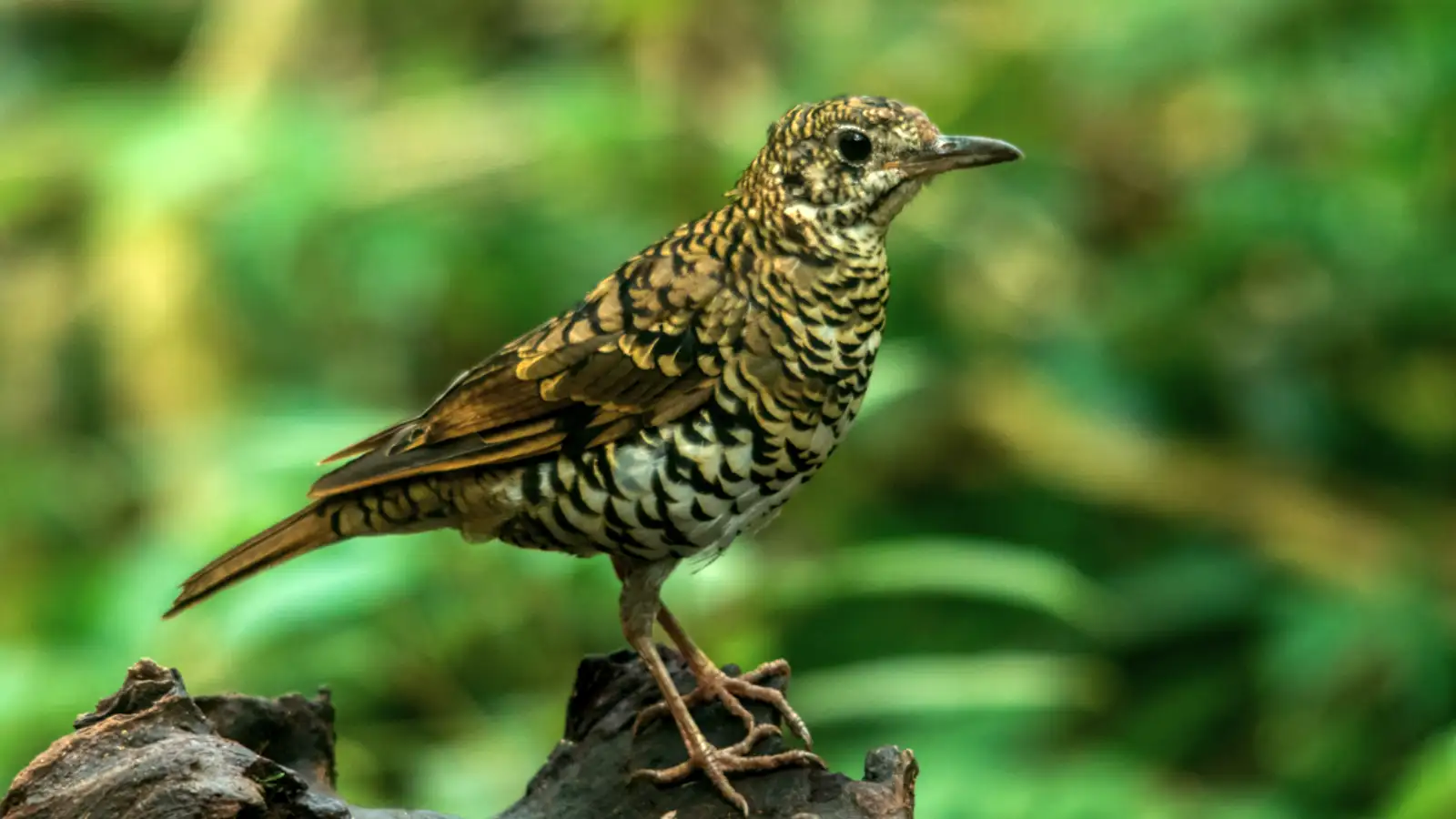
The Javan Whistling Thrush often appears near water sources or damp gullies. Its melodic song is a reliable indicator of its presence during the early dawn chorus.
White-bellied Fantails and Javan Heleia are frequently seen moving in mixed-species feeding flocks. These small, active birds test your autofocus speed and tracking skills.
Sunda Minivets provide a splash of fire-red or yellow in the canopy. They are social birds, often allowing for multiple shots once you find a feeding tree.
Practical Logistics and Timing
Flying into Banyuwangi Airport (BWX) is the most efficient way to start your trip. If your flight lands at 1 PM, you can be at your base in Tamansari Village within 45 minutes.
Mornings start early, usually with a departure from your guesthouse at 4:30 AM. Arriving at the forest edge before sunrise is critical for catching the first wave of bird activity.
Terrain in Ijen can be slippery and steep. You should wear sturdy hiking boots and bring a lightweight tripod or monopod for stability on uneven forest floors.
When to Visit for Photography
Dry months between May and September offer the most reliable weather for gear safety. Clear skies provide better light penetration through the dense montane canopy.
Rainy season from November to March brings challenges with humidity and equipment protection. However, some species are more vocal and active during the breeding months in the wet season.
Mid-week visits are generally quieter than weekends. Fewer hikers on the main trails mean birds are less skittish and stay closer to the paths.
Who Should Skip This Route?
Travelers with severe knee issues should avoid this specific birding route. The trails often involve steep inclines and muddy descents that require significant physical stability.
Families with toddlers may find the long periods of silence and stillness difficult. Birding photography requires patience that young children typically do not possess.
If you are on a very tight timeline and only have a few hours, this is not for you. Rare species like the Gray-breasted Partridge often require half a day or more to locate and photograph successfully.
Why Trust This Guide
This information comes directly from years of field experience in the Tamansari and Ijen regions. We don’t rely on secondary reports; we are in the forest every week.
Our data reflects real-time bird sightings and habitat health. We prioritize the welfare of the birds, ensuring photography is done ethically without disturbing nesting sites.
Working with local experts like Sam ensures you aren’t just walking blindly. You benefit from a deep cultural and ecological connection to the land.
Frequently Asked Questions
What is the best lens for Ijen bird photography?
A telephoto lens with a focal length of at least 400mm is recommended. Given the low light under the forest canopy, a lens with a wide aperture like f/4 or f/2.8 is highly beneficial.
Do I need a permit for birding in the Ijen area?
Standard entry fees for the Ijen park apply. If you are conducting professional research or commercial filming, additional permits from the local forestry department (BKSDA) may be required.
Is it possible to see the Gray-breasted Partridge without a guide?
Truth be told, it is extremely difficult. This species is shy and perfectly camouflaged; even experienced birders often walk past them without a local expert who knows their specific calls.
What is the temperature like during the morning?
Expect temperatures between 10°C and 15°C (50°F – 59°F) in the early morning. Layered clothing is essential as it warms up quickly once the sun rises over the ridges.
Can I combine birding with the Blue Fire hike?
Yes, but it requires a very long day. Most photographers prefer to separate the two activities to ensure they are in the best birding spots exactly at dawn when light is optimal.
Ready to Capture Java’s Rarest Birds?
Join Sam for a private, expert-led birding photography expedition. Experience the deep forests of Mount Ijen and find the species most travelers never see.