Bali to Ijen by Public Transport: An Honest Look at the DIY Route
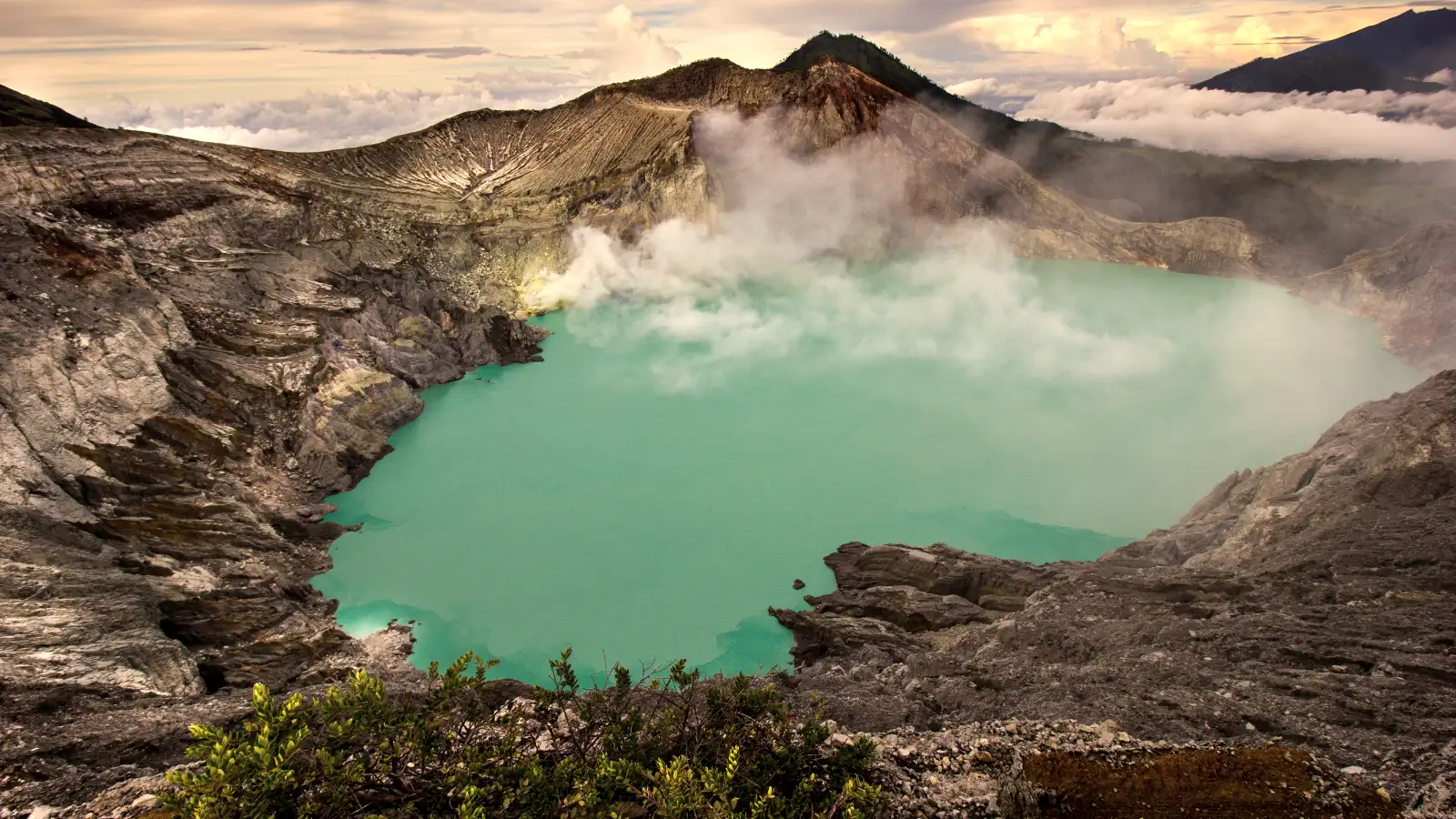
Traveling from the serene beaches of Bali to the volcanic peaks of Java is a rite of passage for adventurous souls.
However, many tourists feel overwhelmed by the complex logistics of Indonesian public transportation.
Specifically, the journey involves a mix of local buses, a ferry crossing, and finding a ride to the base of the volcano.
Therefore, this guide breaks down the reality of navigating the route without a private driver.
Consequently, you will learn how to reach the famous blue flames while avoiding common scams.
Before you start packing, you should check current availability for local guides who can meet you once you arrive in Java.
What You Need to Know
First, public transport in this region does not run on a strict Western-style schedule.
In addition, the total travel time from Southern Bali to Banyuwangi can easily exceed eight hours.
Ultimately, you should plan your Java adventure with a buffer day to ensure you are rested for the midnight hike.
In This Guide
– Why Trust This Guide
– Starting at Ubung Terminal
– The Gilimanuk to Ketapang Ferry
– Arrival in Banyuwangi
– Frequently Asked Questions
Why Trust This Guide
Experience in the field is what sets our data apart from generic travel blogs.
Furthermore, we have navigated these bus terminals and ferry ports countless times to provide accurate, real-world advice.
Actually, our team stays updated on the latest shifts in local government regulations and transport fees.
Moreover, we understand the specific needs of both budget-conscious backpackers and travelers seeking comfort.
Because of this, we emphasize safety and efficiency in every step of our logistics breakdown.
Specifically, we aim to bridge the gap between local Indonesian systems and international traveler expectations.
Local Indonesian Insights
Navigating Java requires more than just a map or a GPS.
For instance, understanding the local “angkot” system is vital for getting around Banyuwangi cheaply.
Consequently, we provide tips that only someone with deep roots in East Java would know.
Phase 1: Reaching Gilimanuk from Bali
First, you must make your way to the western tip of Bali.
Historically, the most common way to do this is by catching a local bus from Ubung Terminal in Denpasar.
However, keep in mind that these buses are often older and lack air conditioning.
Alternatively, you can take a “Travel” van (shuttle) which is more comfortable and reliable.
Specifically, these vans often depart from areas like Kuta or Canggu and head directly to the Gilimanuk port.
Ultimately, the bus is the cheapest option, but it requires much more patience during the four-hour journey.
Local Bus Logistics
Expect to pay a small fee directly to the driver once you are seated.
Moreover, be prepared for multiple stops along the way as the driver picks up locals.
Meanwhile, ensure your luggage is securely stored as these buses can get quite crowded during peak hours.
Phase 2: The Gilimanuk to Ketapang Ferry
Once you reach Gilimanuk, the process of crossing to Java is relatively straightforward.
Furthermore, ferries run 24 hours a day and depart roughly every 20 to 30 minutes.
Actually, this is one of the most scenic parts of the trip as you watch the Bali coastline recede.
Interestingly, the crossing itself only takes about 30 to 45 minutes.
However, you must remember to change your watch, as Java is one hour behind Bali.
Consequently, you gain an extra hour of time just as you arrive at the Ketapang port in Banyuwangi.
🔥 Featured Expedition
Skip the stress of public transport and join our professionally managed trek. We handle everything from your Bali hotel pickup to the crater rim.
Phase 3: Arrival and Final Logistics
Stepping off the ferry in Ketapang, you will immediately be greeted by taxi and ojek (motorcycle taxi) drivers.
Specifically, you need to find a way to your accommodation or directly to the Ijen UNESCO Global Geopark.
Meanwhile, many budget travelers choose to stay in a homestay near the Ketapang train station.
Before you commit to a ride, make sure to see pricing details for local transfers.
In addition, you should read our Ijen Crater travel guide to understand the terrain.
Ultimately, having a pre-arranged guide is the safest way to ensure you reach the summit by sunrise.
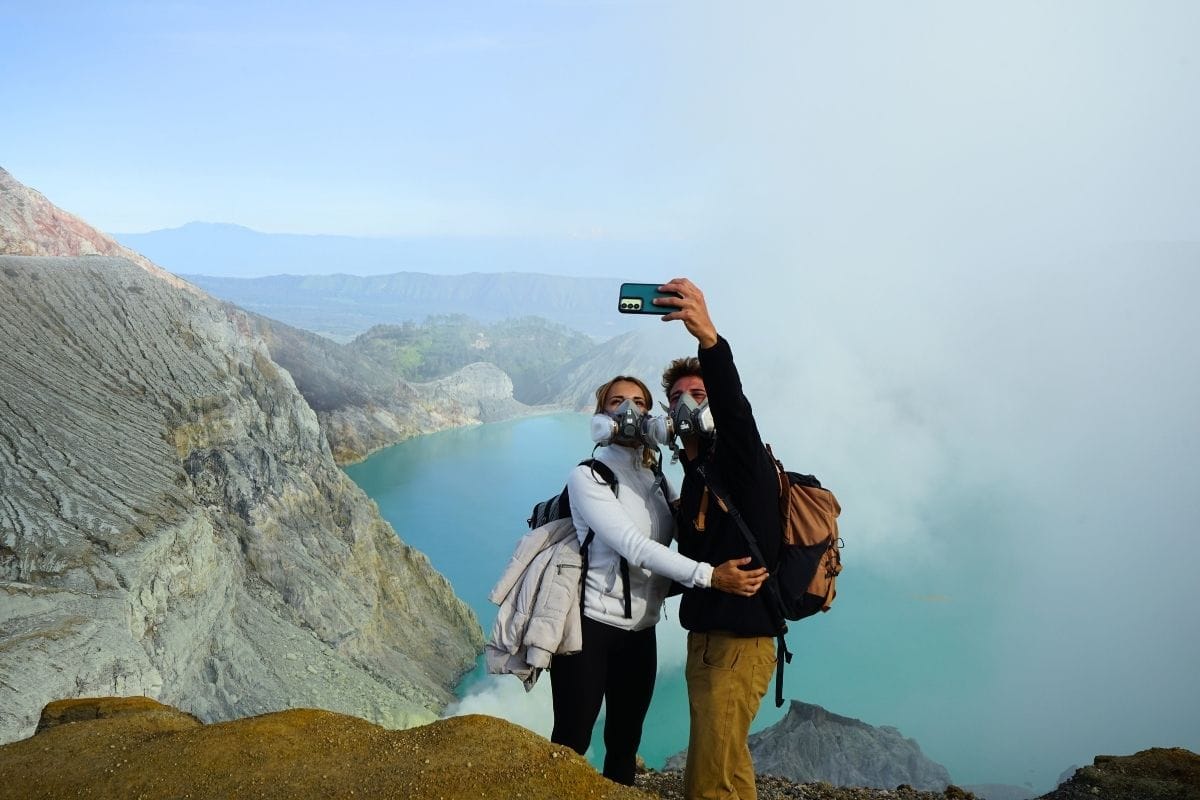
Mandatory Safety Equipment
Hiking Ijen is not a walk in the park, especially at night.
Specifically, you must carry a professional gas mask to protect your lungs from toxic sulfur fumes.
Furthermore, you can find a list of mandatory equipment for climbing Ijen Crater on our blog.
Transport Mode Comparison
| Feature | Local Bus & Ferry | Private Organized Tour |
|---|---|---|
| Cost | Very Low | Moderate to High |
| Reliability | Low (delays common) | High (fixed schedule) |
| Comfort | Basic (no A/C) | Premium (Private Car) |
| Stress Level | High (logistics heavy) | Zero (all managed) |
Frequently Asked Questions (FAQ)
Q: How much does the ferry from Bali to Java cost?
A: The current pedestrian fee is very minimal, usually less than a few dollars. However, prices vary slightly if you are bringing a scooter or a bicycle across.
Q: Is it safe to take the public bus as a solo female traveler?
A: Generally, yes, but you should remain vigilant and keep your belongings close. Many women prefer to reserve your local guide in advance for extra peace of mind upon arrival.
Q: What time should I leave Bali to make it for the midnight hike?
A: You should leave Bali no later than 10:00 AM. This allows for delays at the port and gives you time to rest in Banyuwangi before the 1:00 AM start.
Q: Can I buy ferry tickets at the port?
A: Yes, tickets are sold at the entrance. Currently, you may need an Indonesian e-money card to pay, so ensure you have one or some cash for the agents who can help.
Q: Are there trains from the Ketapang port to Ijen?
A: No, trains do not go to the volcano base. You will need to hire a 4WD vehicle or view our comprehensive package that includes all mountain transport.
Continue Your Adventure
Once you have conquered the heights of Mount Ijen, East Java offers even more spectacular wonders to explore.
You might consider extending your journey with a multi-day Bromo and Ijen tour to see the sunrise over the Sea of Sand.
If you are heading back toward the island of the gods, our two-day Ijen excursion from Bali offers a perfect balance of adventure and logistics.
For those arriving directly from Java’s main hubs, the tour starting in Surabaya is a popular choice for efficiency.
Families often enjoy the Sukamade turtle beach extension which adds a wild touch to the volcanic itinerary.
Finally, if you are short on time, the one-day express trip from Bali is the fastest way to witness the electric blue flames.
Ready for the Ultimate Java Trek?
Don’t leave your Ijen experience to chance. Secure your professional guide and safety gear today for a stress-free adventure.