The Ultimate Mount Bromo Packing List: Essential Gear for 2026
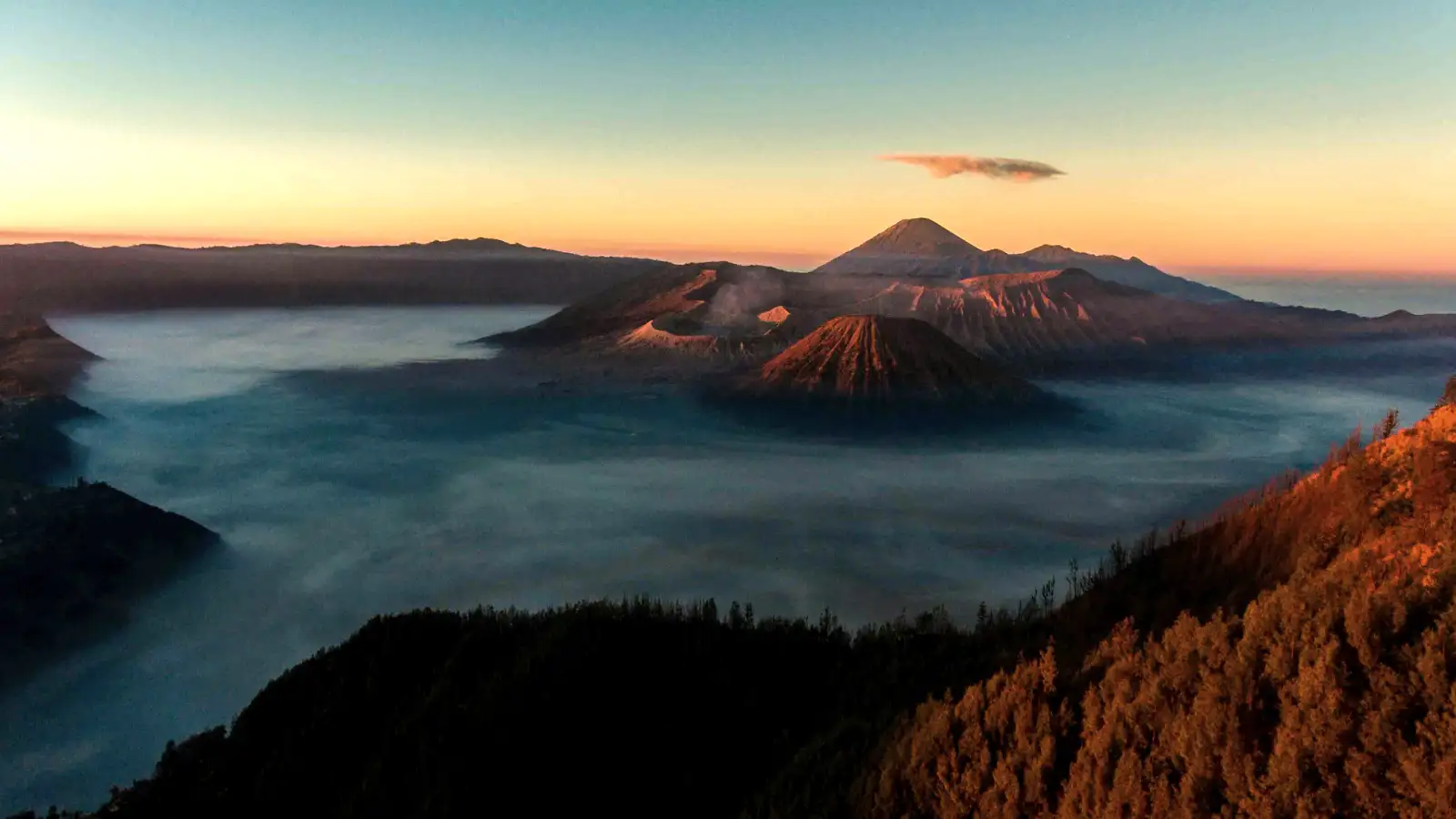
Standing on the edge of an active caldera while the world is bathed in gold is a life-changing experience. However, many travelers arrive at the sunrise viewpoint shivering uncontrollably and ill-prepared for the biting alpine wind. Specifically, the contrast between Indonesia’s tropical heat and the freezing temperatures of the Tengger massif catches most backpackers off guard.
Consequently, your dream adventure can quickly turn into a test of endurance without the right preparation. Therefore, we have designed this professional guide to ensure you focus on the views rather than the cold. You can secure your spot on a premium Mount Bromo tour to see these wonders firsthand.
Furthermore, navigating the logistics of East Java requires local insight and reliable equipment. Before you head into the Sea of Sand, you should book your tour with experts who understand the terrain. Ultimately, this packing list serves as your blueprint for a seamless volcanic expedition.
What You Need to Know
💡 Temperatures: Expect 5°C to 15°C (41°F – 59°F) before sunrise, warming rapidly once the sun hits the caldera.
💡 Terrain: Loose volcanic ash, steep concrete stairs, and uneven rocky paths in the Sea of Sand.
💡 Environmental Factors: High dust levels and potential sulfur fumes depending on wind direction and volcanic activity.
In This Guide
• Why Trust This Guide
• The Master Layering System
• Footwear and Traction
• Essential Accessories
• Electronics and Photography
• Frequently Asked Questions
Why Trust This Guide
Our team has led thousands of expeditions through the rugged landscapes of East Java for over a decade. Moreover, we monitor the microclimates of the Bromo Tengger Semeru National Park daily to provide the most accurate advice. Specifically, our guides have witnessed every possible weather scenario, from torrential monsoon rains to freezing dry-season winds.
In addition, we collaborate with local park rangers and photography experts to refine our gear recommendations. Consequently, we don’t just provide a list; we offer a field-tested strategy for comfort and safety. Meanwhile, our commitment to excellence ensures that every traveler is equipped to handle the unique challenges of a volcanic environment.
The Master Layering System
The most common mistake travelers make is wearing one heavy coat over a t-shirt. Instead, you should adopt a three-tier layering system that allows for easy adjustment as the temperature rises. For instance, you will be freezing at the Penanjakan viewpoint but sweating by the time you hike the crater rim.
Furthermore, checking the best time to visit Mount Bromo will help you determine how intense your layers need to be. During the dry season, the wind chill factor is significantly more aggressive than in the shoulder months. Ultimately, versatility is the key to maintaining a stable body temperature throughout the morning.
The Base Layer: Moisture Management
Start with a high-quality, moisture-wicking base layer made of merino wool or synthetic materials. However, you must avoid cotton at all costs because it traps sweat and becomes a cold weight against your skin. Specifically, a long-sleeved thermal top provides both warmth and protection against the sun once the clouds clear.
Moreover, consider thermal leggings if you are particularly sensitive to the cold. Since the Jeep ride to the viewpoint is often drafty, these layers provide an essential buffer against the night air. Consequently, you will feel much more comfortable during the long wait for the sun to break the horizon.
The Insulation Layer: Trapping Heat
Your middle layer should be a lightweight fleece or a packable down jacket. In addition, this layer serves to trap your body heat while remaining breathable enough for the short hike to the viewpoint. Specifically, a “puffer” jacket is highly recommended because it compresses easily into your daypack later in the morning.
Meanwhile, ensure this layer fits snugly but allows for full range of motion. If you plan on taking a Bromo Jeep tour, you will spend time jumping in and out of the vehicle. Therefore, gear that isn’t overly bulky will make the transition between the Jeep and the trails much easier.
🔥 Featured Expedition
Experience the ethereal sunrise over the Tengger caldera with East Java’s most trusted trekking experts. We provide the logistics; you bring the wonder.
Footwear and Traction
Walking through the Sea of Sand is like trekking through a desert of fine, volcanic glass. Therefore, your footwear must be capable of keeping the dust out while providing grip on slippery ash slopes. For instance, trail running shoes or hiking boots with a “gusseted tongue” are the gold standard for this environment.
However, many visitors underestimate the 250 concrete steps leading to the crater rim. These stairs can be incredibly dusty and slick, making shoes with deep lugs essential for safety. Specifically, look for Vibram or similar high-traction outsoles to ensure you don’t lose your footing during the descent.
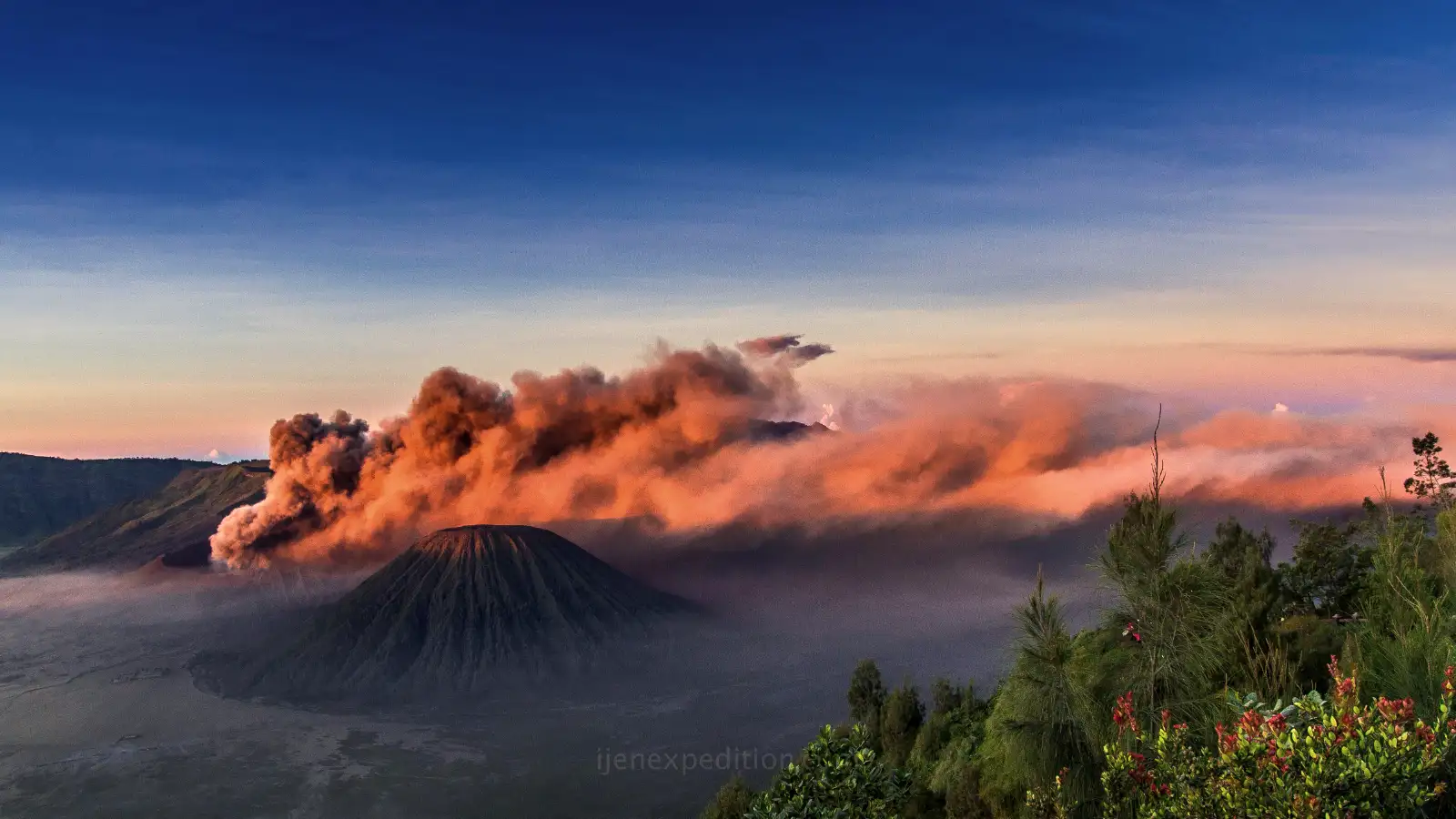
Protection Against Volcanic Ash
Volcanic ash is pervasive and will find its way into every crevice of your clothing. To combat this, you should consider wearing gaiters to seal the gap between your boots and trousers. Moreover, a simple pair of hiking socks that reach mid-calf will provide a basic layer of protection against the grit.
Furthermore, the Bromo Tengger Semeru National Park management often issues advisories regarding air quality. Carrying a buff or a medical-grade mask is not just for dust; it also protects your lungs from sulfur dioxide. Consequently, staying protected allows you to enjoy the crater rim walk for much longer.
Essential Accessories
Small items often make the biggest difference when you are standing on a windy ridge in the dark. For instance, a warm beanie is crucial since you lose a significant amount of heat through your head. In addition, lightweight gloves will prevent your fingers from going numb while you wait to press the camera shutter.
Moreover, don’t forget the power of the sun once it fully emerges. The high altitude and reflective nature of the ash mean UV rays are much stronger than at sea level. Therefore, high-SPF sunscreen and polarized sunglasses are mandatory items for your daypack. Ultimately, these small additions ensure you remain comfortable as the day transitions from winter to summer in hours.
Hydration and Energy
Hydration is often overlooked in cold weather, but the dry mountain air will dehydrate you quickly. Specifically, bring at least 1.5 liters of water per person for the morning trek. Furthermore, packing high-energy snacks like nuts or chocolate will provide the fuel needed for the hike across the caldera floor.
Meanwhile, consider the logistics of a multi-day East Java tour where you might be active for several days. Keeping your electrolytes balanced is vital for preventing altitude-related fatigue. Consequently, a small first-aid kit with basic medication should always be tucked into your bag.
Electronics and Photography
Capturing the perfect sunrise requires more than just a good camera; it requires power management. Specifically, cold temperatures drain lithium batteries significantly faster than usual. Therefore, you must keep your spare batteries and phone inside an inner pocket close to your body heat.
Moreover, a sturdy tripod is essential if you want to capture the “blue hour” before the sun rises. However, the wind at the viewpoints can be quite strong, so ensure your tripod is weighted down. Ultimately, a microfiber cloth is your best friend for constantly wiping volcanic dust off your lens between shots.
Continue Your Adventure
Once you have conquered the heights of Bromo, the wonders of East Java are just beginning. For instance, you could venture further east to witness the famous blue flames on an Ijen Crater tour. Many travelers find that a 2-day Bromo sunrise package provides the perfect balance of adventure and rest. If you are short on time, the midnight tour from Surabaya is a highly efficient way to see the volcano. To ensure every detail is handled by professionals, you should book your tour today and let us craft your dream Indonesian itinerary.
Ready to Witness the Magic?
Your journey to the heart of Java’s volcanic belt deserves more than just a standard trip. Specifically, it deserves the expertise of a team that lives and breathes these mountains. Furthermore, we handle all the logistics from transport to safety gear, so you can focus on the breathtaking landscape. Ultimately, the best stories are written in the stars above Bromo—let us help you tell yours.
Frequently Asked Questions
Q: Can I rent jackets and gear at Mount Bromo?
A: Yes, many local vendors at the sunrise viewpoints offer basic jacket rentals. However, these are often well-worn and may not fit perfectly, so bringing your own layers is highly recommended for hygiene and comfort.
Q: Is it necessary to wear a mask at the crater?
A: It is strongly advised. While sulfur levels vary, the wind frequently blows volcanic dust into your face, which can irritate the eyes and lungs during the hike.
Q: Are there ATMs near the Bromo area?
A: ATMs are very limited in the mountain villages. You should withdraw enough Indonesian Rupiah in Surabaya or Malang before heading to the national park for small purchases and tips.
Q: Do I need professional hiking boots?
A: Professional boots are not strictly mandatory, but they are helpful. Sturdy sneakers with good grip are sufficient for the main paths, though your feet will likely get covered in fine ash.
Q: Is there mobile reception at the viewpoints?
A: Surprisingly, reception is quite good at the main sunrise viewpoints like Penanjakan. However, service becomes spotty or non-existent once you descend into the Sea of Sand or hike toward the crater.