What Is the Best Route From Bali to Bromo and Ijen?
Traveling from Bali to the volcanic heart of East Java requires a strategic plan to avoid physical exhaustion. Most visitors find that starting in West Bali and crossing via the Gilimanuk ferry offers the most efficient access. This specific path connects you directly to the base of Ijen before heading further inland toward the Sea of Sand at Bromo.
The journey spans approximately 400 kilometers of diverse terrain, involving ferries, narrow mountain roads, and coastal highways. Efficiency here depends on your starting point, whether you are departing from the southern beaches of Canggu or the northern hills of Lovina. Truth be told, your choice of transport will determine if you spend your time exploring craters or stuck in West Bali traffic.
What You Need to Know
- Optimal Sequence: Bali → Ijen Crater → Mount Bromo → Surabaya/Bali.
- Transit Time: Expect 4 to 6 hours from South Bali to the Gilimanuk ferry terminal.
- Key Crossing: The Bali to Ketapang ferry operates 24/7 with departures every 30 minutes.
- Total Duration: A 3-day itinerary is the industry standard for a balanced experience.
Table of Contents
Why Trust This Guide
Our team has logged thousands of miles across the Bali Strait and the Javanese highlands over the last decade. We understand the nuances of ferry schedules, the reality of Indonesian road conditions, and the unpredictable nature of volcanic activity. Because we operate these routes daily, we provide updates based on current field data rather than outdated travel brochures.
Experience has taught us that timing is everything when crossing between islands. If you mistime your departure from Ubud, you might hit the heavy commuter traffic in Negara, adding two hours to your trip. We aim to help you book your tour with the confidence of a seasoned explorer.
The Logistics of Crossing from Bali to East Java
The journey begins at Gilimanuk, located at the westernmost tip of Bali. This port is the only gateway for vehicles crossing to Ketapang in East Java. Travelers typically use private cars or public buses, as train lines do not extend across the water. But here’s the catch: your vehicle must have specific permits to cross between islands, making rental cars a complex option.
Once you arrive in Ketapang, you are only 45 minutes away from the base of Mount Ijen. This proximity makes Ijen the natural first stop on your volcanic circuit. Many travelers choose an Ijen crater tour from Bali to maximize their time before proceeding to the Bromo region.
Ferry Wait Times and Crossing Realities
Crossing the Bali Strait usually takes about 45 to 60 minutes once the ferry is moving. However, loading and unloading can add significant time during peak holiday periods. Oddly enough, the middle of the night often sees the smoothest transitions for those aiming for the sunrise at Ijen.
Current regulations require all travelers to have their ID or passport ready for inspection at the port. Security has tightened recently, and manifests are strictly checked before boarding. That said, the view of the Javanese mountains rising from the sea as you approach Ketapang is worth the administrative hurdle.
Recommended Itineraries: The Bali to Java Circuit
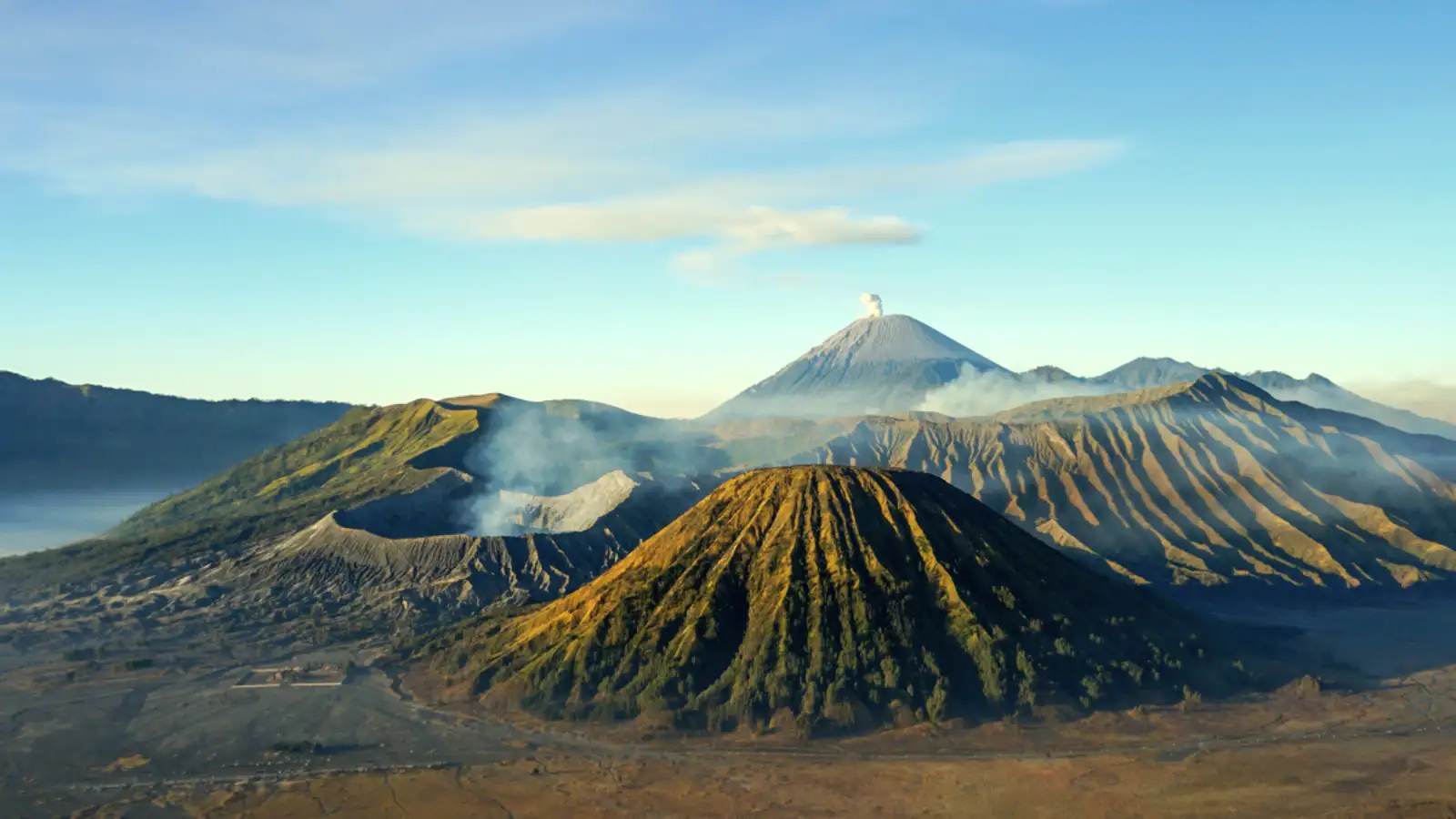
The most efficient path is a 3-day, 2-night loop that hits both major volcanoes. On Day 1, you depart Bali early to reach the Ijen area by evening for some rest. Day 2 involves the midnight hike at Ijen, followed by a 6-hour drive to the Bromo-Tengger-Semeru National Park. Understanding the Bromo Ijen tour driving time is vital for managing your sleep schedule.
Day 3 focuses on the Bromo sunrise and the walk across the Sea of Sand. After the tour, you can either head to Surabaya for a flight or return to Bali via the same coastal route. This sequence ensures you aren’t backtracking and allows for a gradual increase in altitude and physical demand.
🔥 Featured Expedition
Maximize your adventure with our most popular logistics-optimized route. This private tour handles all transfers, ferries, and expert guiding for a stress-free experience.
Transportation Options: Private vs. Public
Choosing between a private driver and public transport is the biggest decision for this route. Public buses are affordable but often drop you in Ketapang, leaving you to find local transport to the remote Ijen trailheads. Private transfers, while more expensive, offer door-to-door service and flexibility when you need to stop for food or rest.
Backpackers on a budget might take the local ferry and then hire motorbikes in Banyuwangi. This provides autonomy but can be grueling during the rainy season when mountain roads become slick. In reality, most travelers opt for a guided package to handle the complex Mount Bromo to Ijen distance and logistics.
Why Private Transport Wins on This Route
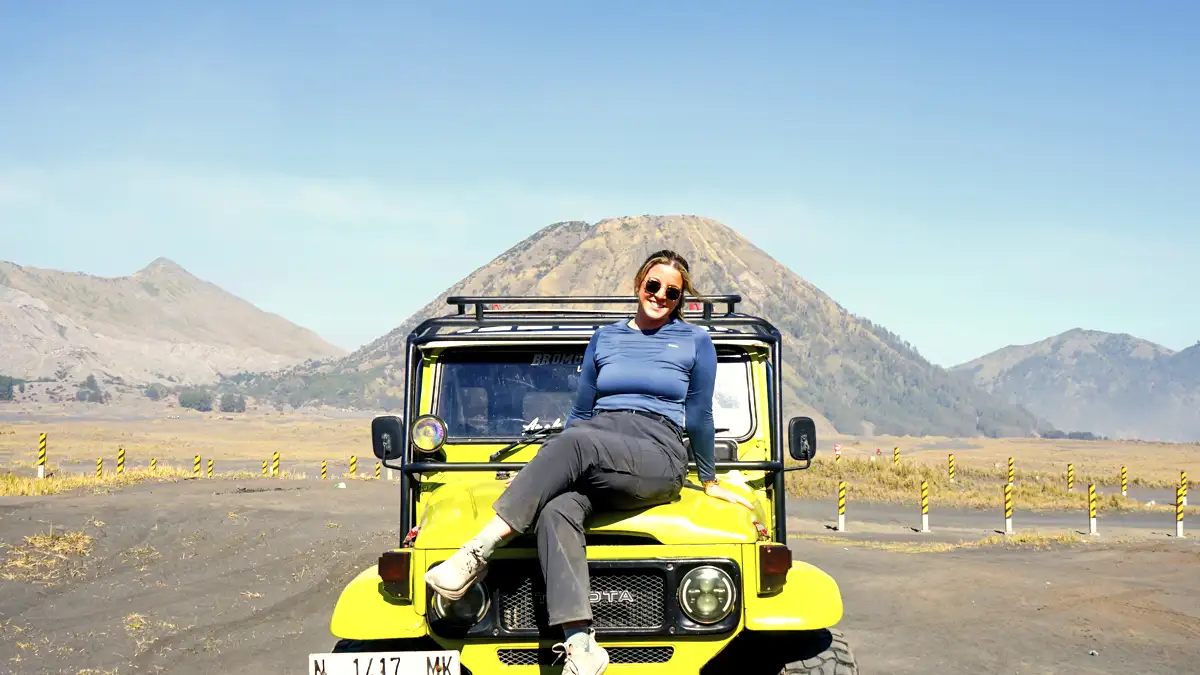
Timing at Bromo is extremely strict; if you arrive thirty minutes late, you will miss the sunrise position. Private drivers know the shortcut routes and have established connections with local Jeep operators. This coordination is nearly impossible to replicate using public transit without adding an extra day to your trip.
Who Should Skip This Route?
This journey is not for everyone, and it is important to be realistic about your physical limits. The itinerary requires waking up at 1:00 AM on consecutive nights to catch sunrises and natural phenomena. If you struggle with severe sleep deprivation, you might find the pace more exhausting than enjoyable.
Those with respiratory issues should also exercise caution at Ijen due to the heavy sulfur fumes. While gas masks are provided, the air quality can be challenging for those with asthma. Additionally, the Mount Bromo hike difficulty involves steep stairs and sandy terrain which may not suit travelers with limited mobility.
Finally, if you are on a very tight timeline of less than 48 hours, skipping one of the volcanoes is recommended. Rushing through both in two days leaves little time for safety and often results in missing the best views due to fog. Quality over quantity is a rule that definitely applies to the East Java volcanic belt.
Navigating the Ijen to Bromo Transition
After finishing the Ijen hike around 8:00 AM, the long drive to Bromo begins. This section of the route takes you through the heart of East Java’s coffee and rubber plantations. The road is often narrow and shared with large trucks, so progress can be slow during the afternoon peak.
Staying in the village of Cemoro Lawang is the best choice for Bromo access. It sits right on the edge of the crater rim, offering immediate access to the sunrise viewpoints. Some travelers wonder if Ijen is worth visiting without the blue fire, and the answer is a resounding yes for the turquoise acid lake alone.
Continue Your Adventure
Once you have conquered the peaks of Bromo and Ijen, several other world-class destinations await in East Java. You can extend your trip to include towering waterfalls or deeper jungle explorations. Consider these highly-rated extensions for your volcanic circuit:
- Explore the depths of the Ijen Crater Tour from Bali for a focused adventure.
- Experience the classic Mount Bromo Tour from various starting points.
- Combine both icons with a comprehensive Bromo Ijen Tour package.
- Witness the majesty of Tumpak Sewu Waterfall on a 4-day expedition.
- Discover the turtle conservation efforts on a Bromo Ijen Sukamade Tour.
Frequently Asked Questions
Is it better to start from Bali or Surabaya?
Starting from Bali is more logical if you are already on the island, as it follows a natural geographical line toward Surabaya. If you are flying into Indonesia specifically for volcanoes, landing in Surabaya and ending in Bali is equally efficient. The route works perfectly in both directions without any major logistical disadvantages.
How long is the ferry crossing from Bali to Java?
The actual time on the water is approximately 45 minutes to an hour. However, you should budget at least two hours for the entire process, including ticket purchasing and boarding. During Indonesian public holidays, these wait times can double, so checking the local calendar is essential before you depart.
Do I need a tour guide for Bromo and Ijen?
While physically possible to do solo, a guide is highly recommended for safety and logistical ease. At Ijen, a guide helps navigate the toxic gas zones and provides mandatory safety equipment like respirators. At Bromo, they coordinate the 4×4 Jeep transfers which are required to enter the national park’s Sea of Sand.
What should I pack for the Bali to Java route?
Layers are crucial because temperatures at the crater rims can drop to 5°C (41°F) before sunrise. You will need a warm jacket, sturdy hiking boots, and a headlamp for the night climbs. Once you descend and head back toward the coast, the tropical heat returns, so have lightweight clothes easily accessible.
Can I see the Blue Fire year-round?
The Blue Fire is a natural volcanic phenomenon and is never guaranteed. It requires dry weather and high gas activity to be visible to the naked eye. Heavy rain or excessive volcanic fog can obscure the flames, which is why checking daily reports from local guides is the only way to stay updated.
Ready to Explore East Java?
Don’t leave your volcano adventure to chance. Secure your private transport and expert guide today for the ultimate Bali to Java experience.