What Is a Bromo Ijen Tour Really Like from Start to Finish?
What You Need to Know
A Bromo Ijen tour is a high-intensity, multi-day expedition through East Java’s volcanic highlands. It typically lasts 3 days and involves midnight treks, steep terrain, and extreme temperature shifts.
Expect to walk between 5 to 10 kilometers daily. Logistics require private 4WD jeeps and local guides to navigate the “Sea of Sand” and crater rims safely.
Table of Contents
Entering the heart of East Java requires a shift in expectations regarding comfort and sleep. Most travelers arrive via Surabaya or Malang, greeted by humid tropical air before heading toward the cooler mountain ranges.
This journey is less of a relaxing vacation and more of a sensory-heavy adventure. Real field experience suggests that physical fitness levels directly impact how much you enjoy the steep ascent to the crater rims.
Your first step is deciding on the right entry point. If you want the most efficient route, starting in Surabaya and ending in Bali is the standard logistical choice for international visitors.
The Arrival and Logistics
Navigating the roads between Java’s major cities and the volcanic parks takes time and patience. You will likely spend several hours in a van, watching the landscape transition from urban centers to terraced cabbage fields.
Booking in advance is essentially a requirement if you want to secure the best vantage points. Many tourists make direct tour reservations months ahead to ensure they get experienced drivers who know the mountain curves.
While the drive is long, the views of rural Javanese life offer a distinct perspective. Small villages dot the hillsides, and the air grows noticeably thinner and crisper as you climb toward Cemorolawang.
Accommodation Reality
Hotels in the Bromo and Ijen regions are often simpler than those in Bali. Hot water is a luxury that isn’t always consistent, and room heaters are rare despite the nighttime chill.
Travelers should check pre-booking advice to manage expectations regarding local lodging. The trade-off for these modest conditions is immediate access to the park gates at 3 AM.
Day One: The Bromo Sunrise Ritual
Waking up at 2:30 AM is the standard start to the Bromo experience. A fleet of brightly colored 4WD Toyota Land Cruisers descends on the village, ready to ferry visitors across the volcanic ash desert.
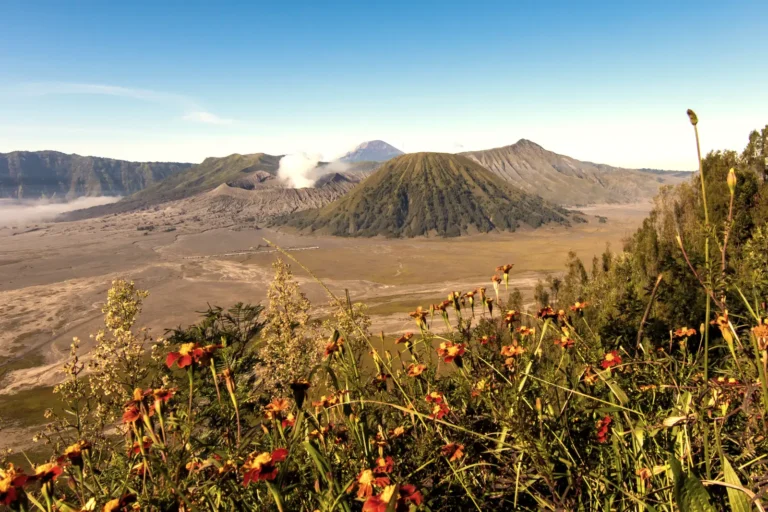
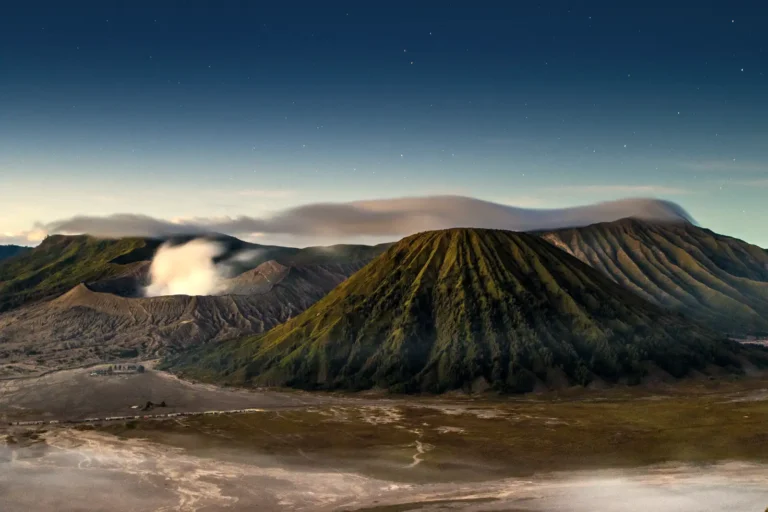
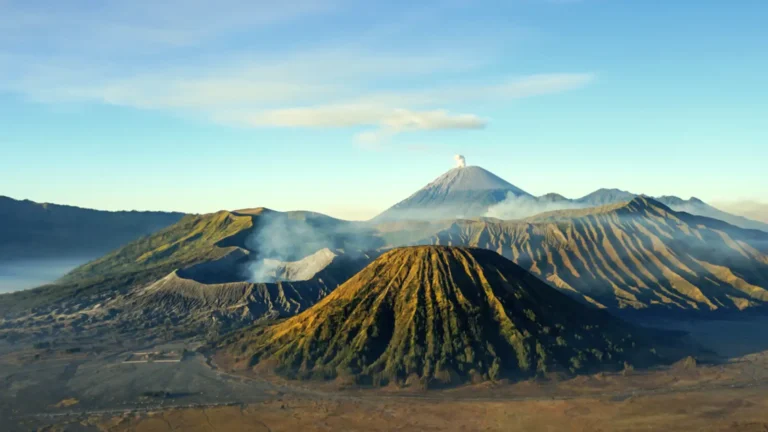
Standing on Penanjakan Hill as the sun breaks the horizon is often the highlight for many. Layers of mist frequently settle in the caldera, creating a view that feels detached from the modern world.
After the sunrise, your jeep drops you at the base of the active cone. You must choose between walking across the Sea of Sand or hiring a local pony for the trek to the stairs.
🔥 Featured Expedition
Join our signature 3-day journey from Surabaya to Bali, covering the best of both volcanic wonders with expert local guides.
The Crater Rim Walk
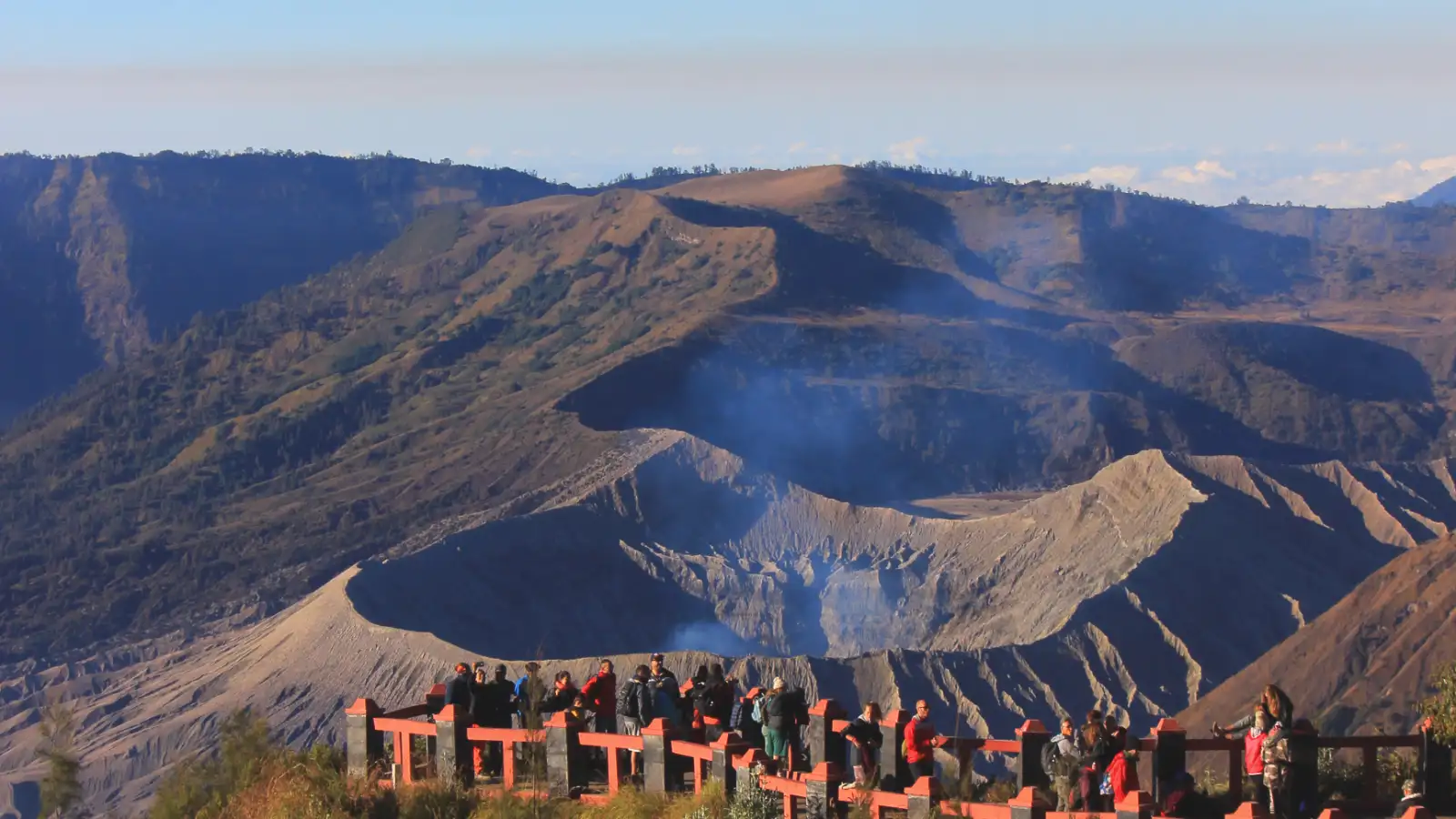
Climbing the 250 concrete steps to the rim requires a steady pace. Once at the top, the roar of the active volcano is audible, sounding like a distant jet engine or a boiling cauldron.
Sulfur clouds occasionally drift across the path, so bringing a simple mask or scarf is helpful. For those wanting a deeper dive, Mount Bromo excursions often include visits to the nearby Savanna and “Teletubbies” hills.
The entire morning concludes with a dusty ride back to the hotel for a quick breakfast. Then, the long drive to the Ijen region begins, typically lasting around six to seven hours.
Day Two: The Ijen Crater Descent
Ijen presents a completely different challenge than Bromo. The hike starts at midnight from Paltuding, involving a 3-kilometer climb on a steep, dirt track.
Important Update: The appearance of the Blue Fire at Ijen Crater is highly unpredictable. It depends heavily on daily volcanic activity, gas density, and weather conditions. To avoid disappointment, please contact us via WhatsApp to check daily updates before you hike.
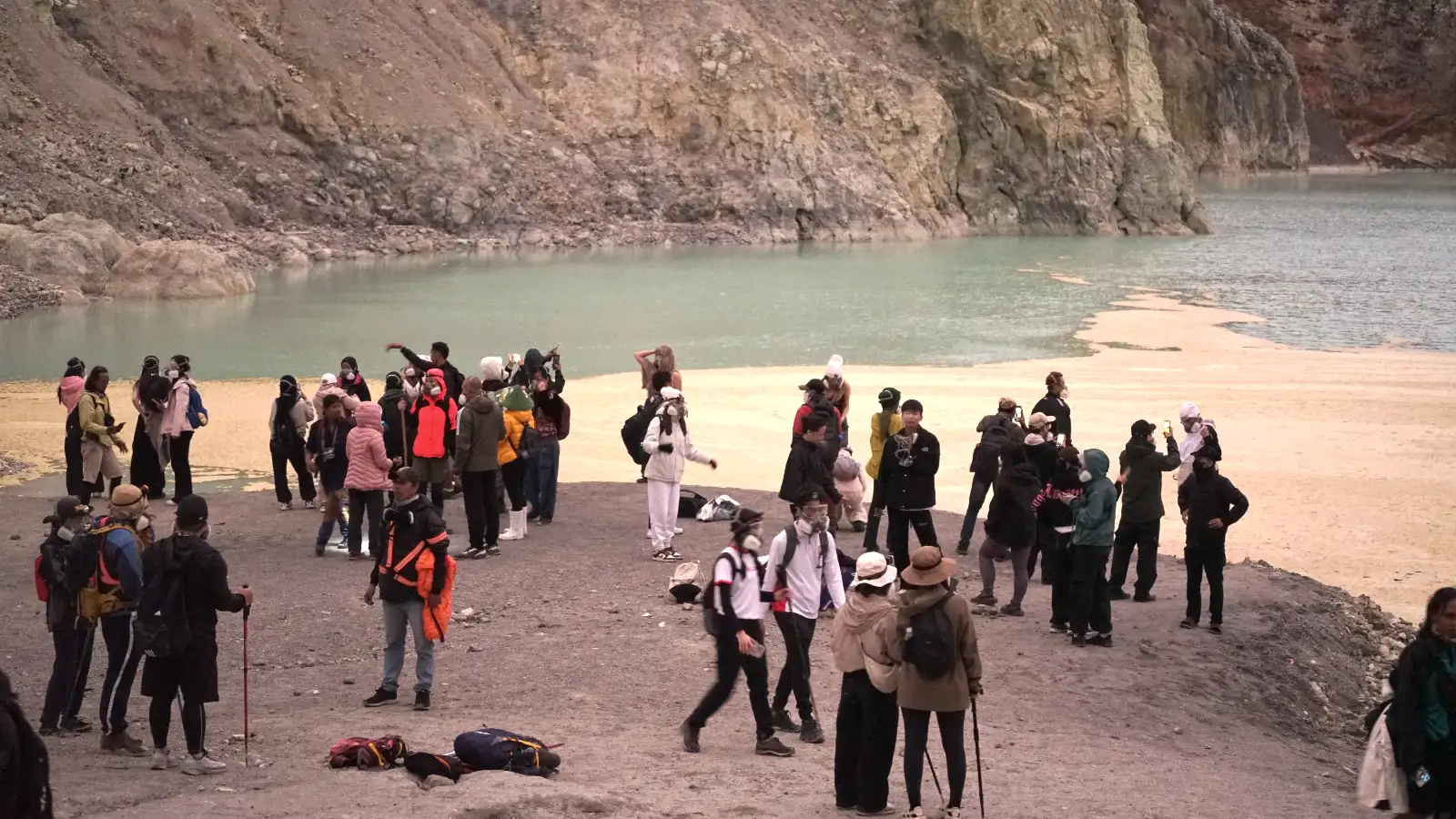
Descending into the crater to see the electric-blue flames requires a gas mask and sturdy boots. The path is rocky and can be slippery, especially when passing sulfur miners carrying 80-kilogram loads on their shoulders.
Daylight reveals the world’s largest acidic lake, a stunning turquoise body of water surrounded by yellow sulfur vents. Some travelers find that extended tours allow more time to appreciate these geological features without rushing.
Thermal and Physical Preparation
Temperatures at the summit can drop to 5 degrees Celsius before sunrise. Wind chill is a major factor, making it essential to check the seasonal weather patterns before packing.
Comfortable hiking shoes with good grip are non-negotiable for the crater descent. If the climb feels too strenuous, local “trolley” services are available to pull guests up the mountain for a fee.
Everything you bring will likely smell like sulfur for several days. It is wise to review a packing checklist to ensure you don’t forget essentials like a headlamp or power bank.
Who Should Skip This Tour?
Truth be told, this route is not suitable for everyone. People with chronic respiratory issues or asthma should avoid the Ijen crater due to high sulfur gas concentrations.
Families with toddlers or very young children may find the 2 AM wake-up calls and long van rides extremely taxing. The terrain is rugged, and stroller access is non-existent beyond the hotel lobbies.
Travelers who require luxury at every turn might find the local guesthouses and “squat” toilets in public areas uncomfortable. If you cannot handle 12+ hours of travel and minimal sleep, this expedition will feel more like a chore than an adventure.
Frequently Asked Questions
How much cash should I bring?
Local ATMs are scarce in the mountain villages. You should carry enough Indonesian Rupiah for meals, tips, and horse rides, as most small vendors do not accept cards.
Is a health certificate required for Ijen?
Yes, local regulations often require a basic health check before climbing. Most professional tour operators assist with this process at clinics in Banyuwangi or Bondowoso.
Can I do this tour solo?
Solo travelers can join shared groups to save costs. Alternatively, booking a private multi-day tour offers more flexibility and personalized timing.
What is the best month to visit?
Dry season, typically from May to September, offers the clearest skies. Rainy season can make the trails muddy and cloud the sunrise views.
Is the Blue Fire guaranteed?
No, the Blue Fire is a natural phenomenon governed by volcanic activity. Safety officials may close the crater floor if gas levels are dangerously high.
Why Trust This Guide
Our team spends hundreds of hours on the ground in East Java every year. We work directly with sulfur miners, jeep drivers, and local park rangers to provide the most current logistical data.
We prioritize realism over marketing fluff. This guide is built on actual transit times, physical trail assessments, and seasonal weather tracking.
Continue Your Adventure
If you are planning your East Java itinerary, consider these popular routes to maximize your time. You can choose a quick Ijen trip from Bali or a more comprehensive Mount Bromo adventure. For the full experience, the classic Bromo Ijen combo remains the top choice. Those with more time often add the 4-day waterfall and volcano loop or the Sukamade turtle beach extension.
Ready to See the Volcanoes?
Skip the logistics headache and let our expert field team handle your Bromo Ijen expedition from start to finish.