Exploring the Sea of Sand Around Mount Bromo
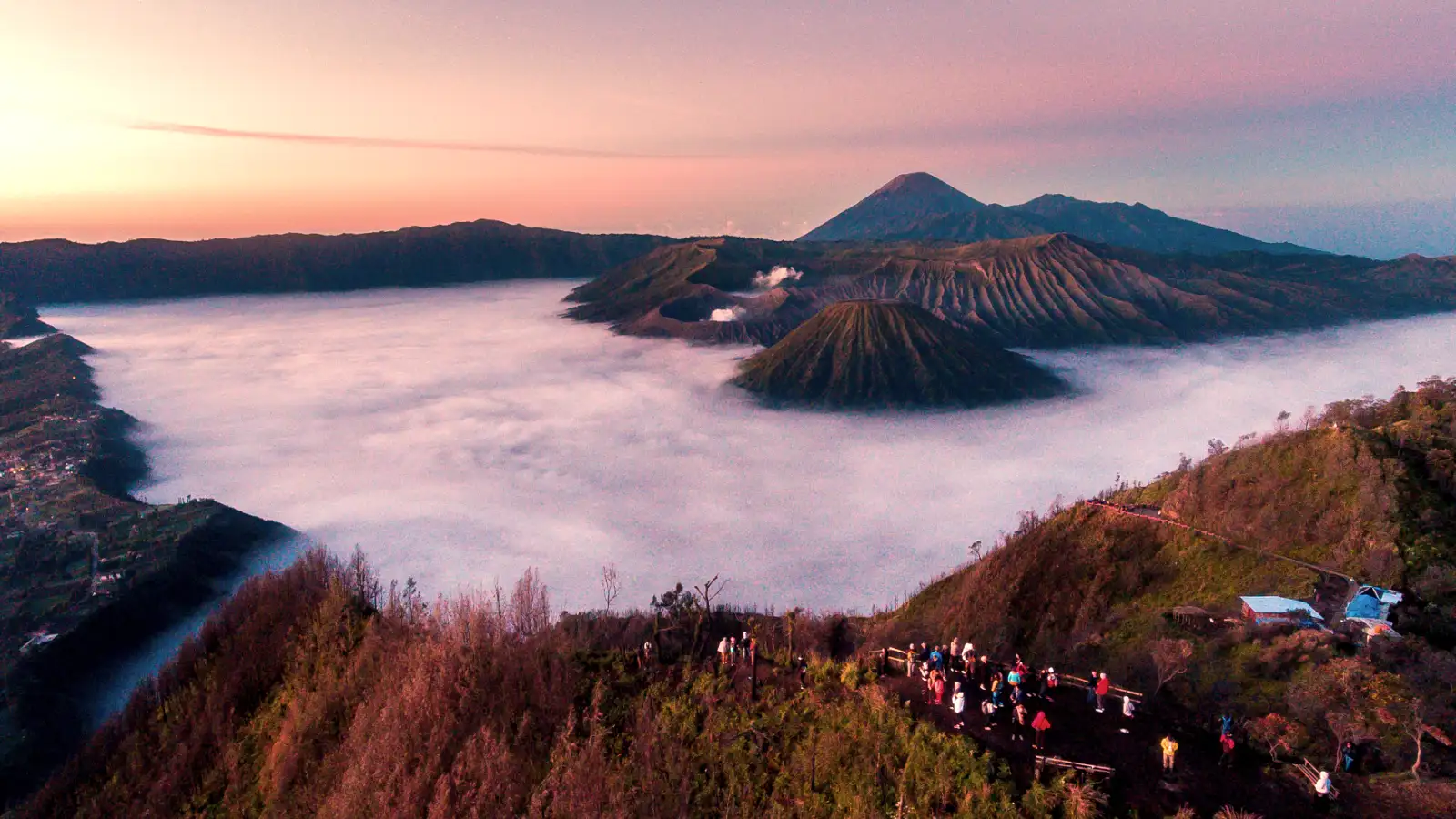
The Sea of Sand, known locally as Lautan Pasir, is a massive 10-square-kilometer volcanic basin that blankets the floor of the Tengger Caldera in East Java. It consists of fine grey volcanic ash and sand deposited over centuries of eruptions, creating a moon-like desert at an altitude of 2,100 meters above sea level. This unique geographical feature serves as the primary gateway for travelers attempting the Mount Bromo tour, requiring either a 4WD Jeep or a hardy pair of hiking boots to navigate.
What You Need to Know
- ✅ Total Area: Approximately 10 square kilometers of volcanic desert.
- ✅ Terrain Reality: Expect deep, loose ash that can be extremely dusty in the dry season and muddy during rains.
- ✅ Best Transit: 4WD Toyota Land Cruisers are the standard; however, walking is possible for those with high fitness levels.
- ✅ Photography Peak: Aim for the blue hour just before sunrise when the mist clings to the sand floor.
Table of Contents
Geological Origins of Lautan Pasir
Volcanic activity within the Tengger massif created this vast caldera thousands of years ago. Grey ash from Bromo, Batok, and Kursi volcanoes settled into the basin, preventing most vegetation from taking root.
Walking across this expanse often feels like stepping onto another planet. Harsh winds whip up the fine particles, creating swirling dust devils that dance across the horizon during the afternoon hours.
Because the sand is so porous, water drains almost instantly during the wet months. This geological trait means the area remains traversable even after heavy tropical downpours, though the texture becomes much firmer underfoot.
Mount Bromo Seasonal Changes & Weather
East Java climate dictates the entire visual experience of the Sea of Sand. Most travelers aim for the best time to visit Mount Bromo between April and October to ensure clear sunrise views.
The Mount Bromo dry season offers the most iconic “desert” aesthetic with high visibility. Intense sunlight hits the grey floor, creating sharp shadows and highlighting the ripples in the sand dunes.
Conversely, the Mount Bromo rainy season (November to March) transforms the surrounding hills. While the sand remains grey, the nearby “Teletubbies Hill” turns a lush, vibrant green, providing a stunning contrast to the volcanic basin.
🔥 Featured Expedition
Maximize your time in East Java with our signature multi-day adventure that connects the sunrise of Bromo with the blue fires of Ijen. Experience seamless logistics and expert local insights on this top-rated route.
Bromo Weather Conditions by Month
Temperatures frequently drop to 5°C (41°F) or lower before dawn, especially between June and August. Bromo weather conditions are notoriously fickle, where a clear sky can be swallowed by thick fog in minutes.
Dry winds from Australia dominate the mid-year months, making the Sea of Sand particularly dusty. Pack a high-quality buff or mask during this period to avoid inhaling the fine volcanic silica.
Humidity rises significantly from December onwards, which often leads to spectacular cloud inversions. These “oceans of clouds” wrap around the mountain peaks, leaving the crater rim floating like an island in the sky.
Navigating the Terrain: Jeep vs. Walking
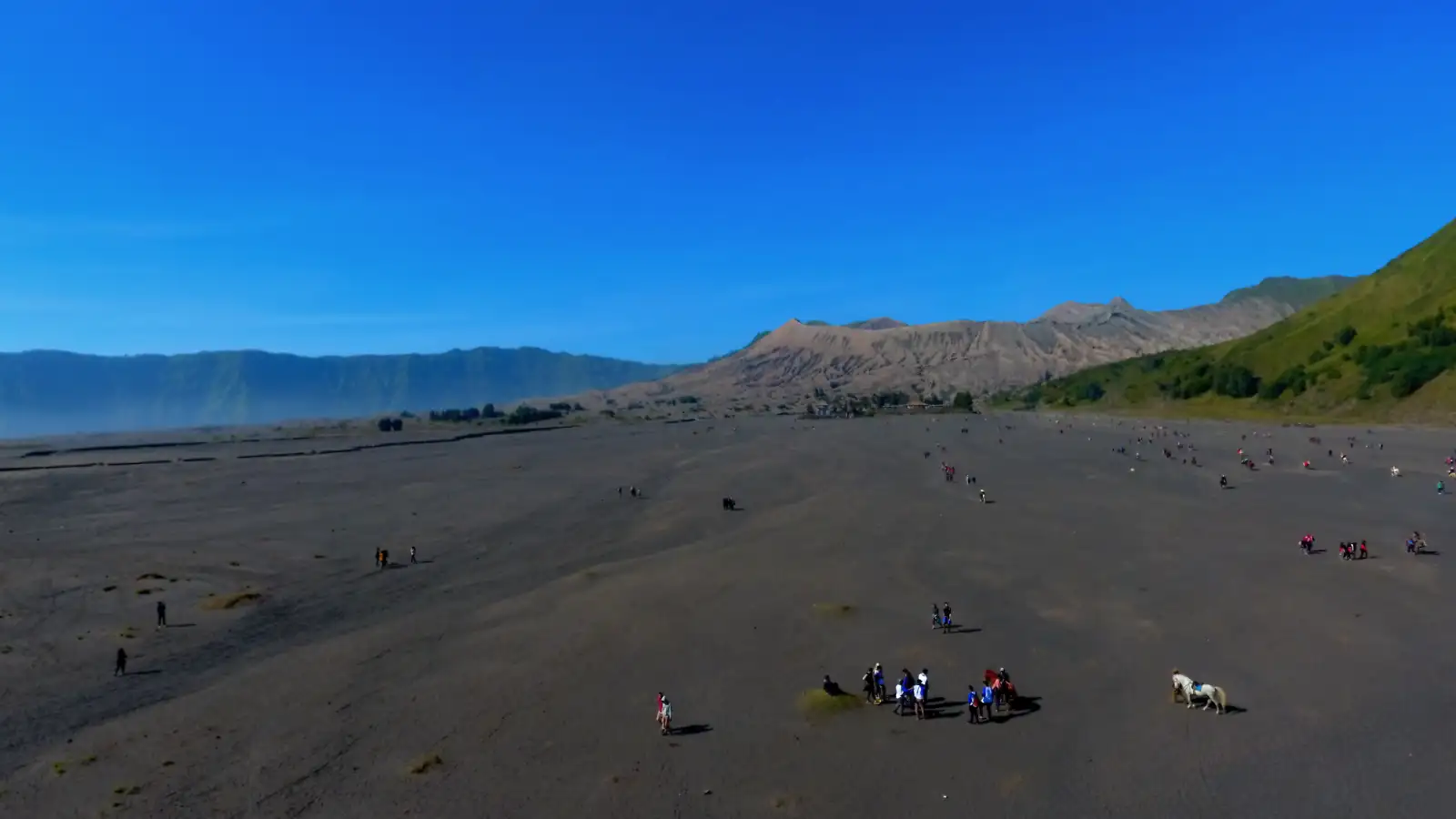
Crossing the sand isn’t as simple as it looks on social media. Many people wonder if beginners can hike Mount Bromo across this specific stretch without a vehicle.
Standard tours utilize 4WD Jeeps because the sand is incredibly taxing on the legs. One mile of walking in loose ash feels like three miles on a paved road, particularly at high altitudes where oxygen is thinner.
If your flight lands at Surabaya Airport at 10 AM, you’ll typically reach the park by early afternoon. This timing allows you to witness the late-day sun hitting the caldera floor when the crowds have largely vanished.
Choosing Your Transport
Horse riding is a traditional alternative offered by the local Tenggerese people. It provides a unique perspective, though you should always check the health and condition of the horse before agreeing to a ride.
Walking remains the most rewarding but physically demanding option for true backpackers. To do this successfully, start your trek from Cemoro Lawang around 3 AM to reach the crater rim before the heat of the day.
Proper footwear is non-negotiable for this terrain. Avoid open-toed sandals, as the fine ash will irritate your skin and create friction blisters within the first kilometer of trekking.
Mount Bromo Photography Seasons
Photographers prioritize Bromo sunrise seasons above all else. The “Golden Hour” here is short, usually lasting only 20 minutes before the sun clears the caldera wall and flattens the light.
Shadows are your best friend when shooting the Sea of Sand. Low-angle light reveals the texture of the wind-blown dunes, which looks stunning in high-contrast black and white photography.
Astrophotography is a major draw during the dry season’s new moon phases. The lack of light pollution and high elevation make the Tengger caldera one of the best spots in Indonesia to capture the Milky Way over a volcano.
Who Should Skip This Route?
Truth be told, the Sea of Sand is not a universal crowd-pleaser. Travelers with severe asthma or chronic respiratory conditions should be extremely cautious due to the constant presence of fine dust and occasional sulfur fumes.
Families with toddlers may find the Jeep ride over the bumpy sand floor to be too jarring. The logistics of carrying a small child through deep ash up the Bromo stairs can be overwhelming for most parents.
Luxury travelers who dislike “roughing it” might prefer viewing the landscape from the Penanjakan viewpoints. Actually descending into the sand sea involves grit, dust, and a lack of modern facilities that some find uncomfortable.
Why Trust This Guide?
Our team at Ijen Expedition has spent years navigating the trails of East Java. We don’t just read about these volcanoes; we live on them, monitoring the driving times and trail conditions daily.
Real-world experience tells us that a tour is only as good as its timing. We prioritize safety and Information Gain, ensuring you understand the “why” behind the logistics of your journey.
Continue Your Adventure
If you found this guide helpful, explore these curated expeditions across East Java:
- 🚀 Mount Bromo Midnight Tour from Surabaya
- 🏔️ Mount Bromo Midnight Tour from Malang
- 🚂 Bromo Ijen Tour from Yogyakarta 3D2N
- 🌄 Bromo Ijen Tour from Malang 3D2N
- 🏝️ 3 Day Bromo Ijen Tour from Yogyakarta to Bali
Frequently Asked Questions
Is the Sea of Sand safe during the rainy season?
Yes, but the experience is different. The sand becomes packed and less dusty, which Jeeps actually prefer, though you must watch for sudden heavy fog that can reduce visibility to near zero.
Can I drive a private car across the sand?
Absolutely not. Only authorized 4WD Jeeps with experienced local drivers are permitted to enter the Sea of Sand for safety reasons and to protect the delicate volcanic terrain.
What should I wear to handle the dust?
Bring a face mask, sunglasses, and a lightweight windbreaker. The sand is incredibly fine and will find its way into your pockets, hair, and camera gear if not protected.
How long does it take to cross the sand sea?
By Jeep, it takes about 15 to 20 minutes to reach the foot of Mount Bromo. If you are walking from Cemoro Lawang, allow at least 45 to 60 minutes for a one-way trek.
Are there any toilets in the Sea of Sand?
Facilities are very limited. There are basic toilets near the Jeep parking area at the base of Bromo, but they are rustic; it is best to use the restroom at your hotel before departing.
Ready to Cross the Sea of Sand?
Don’t leave your Bromo adventure to chance. Join our expert-led expeditions and experience the magic of the Tengger Caldera with the most reliable team in East Java.