Is Ijen Crater Worth Visiting Without the Blue Fire?
The short answer is a resounding yes. While the electric-blue flames are a world-class rarity, they represent only a fraction of the geological drama unfolding at the summit. Ijen Crater remains one of the most visually arresting landscapes in Indonesia, anchored by the world’s largest highly acidic lake and a sunrise that rivals any in Southeast Asia.
What You Need to Know
Before you commit to a 2 AM wake-up call, here is the reality of visiting Ijen without its famous gas combustion:
- The turquoise lake is the primary visual highlight, visible only after dawn.
- Sunrise viewpoints offer panoramic views of Bali and East Java’s volcanic chain.
- Cultural encounters with sulfur miners provide a deep, human perspective on the mountain.
- Hiking conditions are significantly more enjoyable in daylight compared to the midnight rush.
Ready for the adventure? Secure your spot on a guided expedition today.
Table of Contents
Important Update: The appearance of the Blue Fire at Ijen Crater is highly unpredictable. It depends heavily on daily volcanic activity, gas density, and weather conditions. To avoid disappointment, please contact us via WhatsApp to check daily updates before you hike.
Why Ijen Still Dominates Without Blue Fire
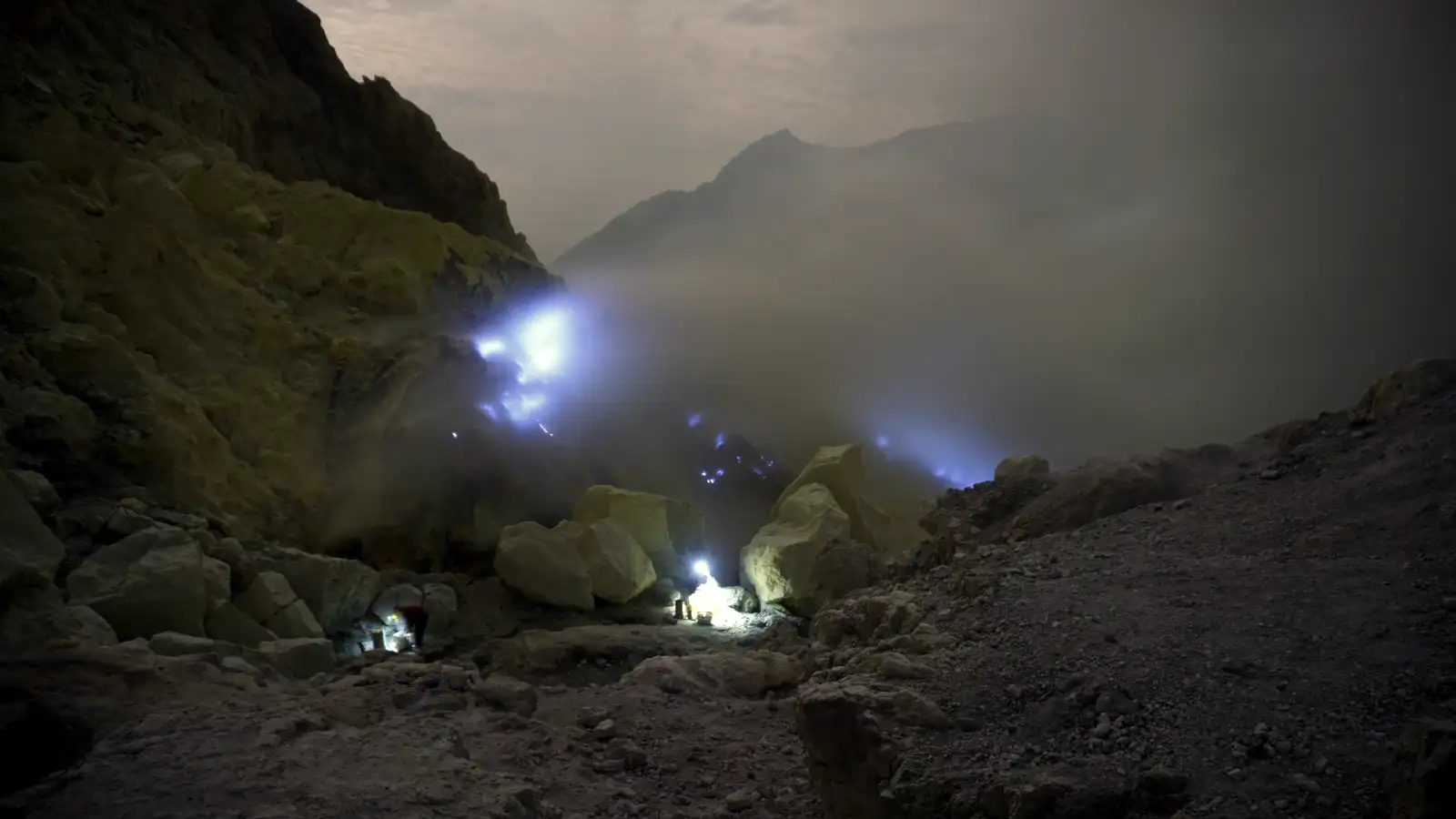
For decades, the “Blue Fire” served as the primary marketing hook for East Java tourism. This rare phenomenon occurs when sulfuric gases emerge at high pressure and ignite upon contact with air.
Truth be told, seeing the fire requires descending into the crater in pitch-black darkness, often through thick, toxic smoke. Many travelers find this part of the journey stressful and physically taxing.
Removing the pressure to see the flames actually opens up a more serene experience. You can focus on the changing colors of the sky and the sheer scale of the caldera without the chaos of midnight crowds fighting for a glimpse of a flickering blue light.
Why Trust This Guide?
Our team has spent thousands of hours on the slopes of Ijen, guiding travelers through every season and volcanic cycle. We have seen the crater in its quietest moments and its most volatile outbursts, giving us a grounded perspective on what truly makes this mountain special.
The World’s Largest Acidic Lake
Vivid turquoise water fills the massive 1-kilometer wide crater, creating a color so bright it looks artificial. This isn’t just a pretty pond; it is a chemical marvel with a pH level near zero, similar to battery acid.
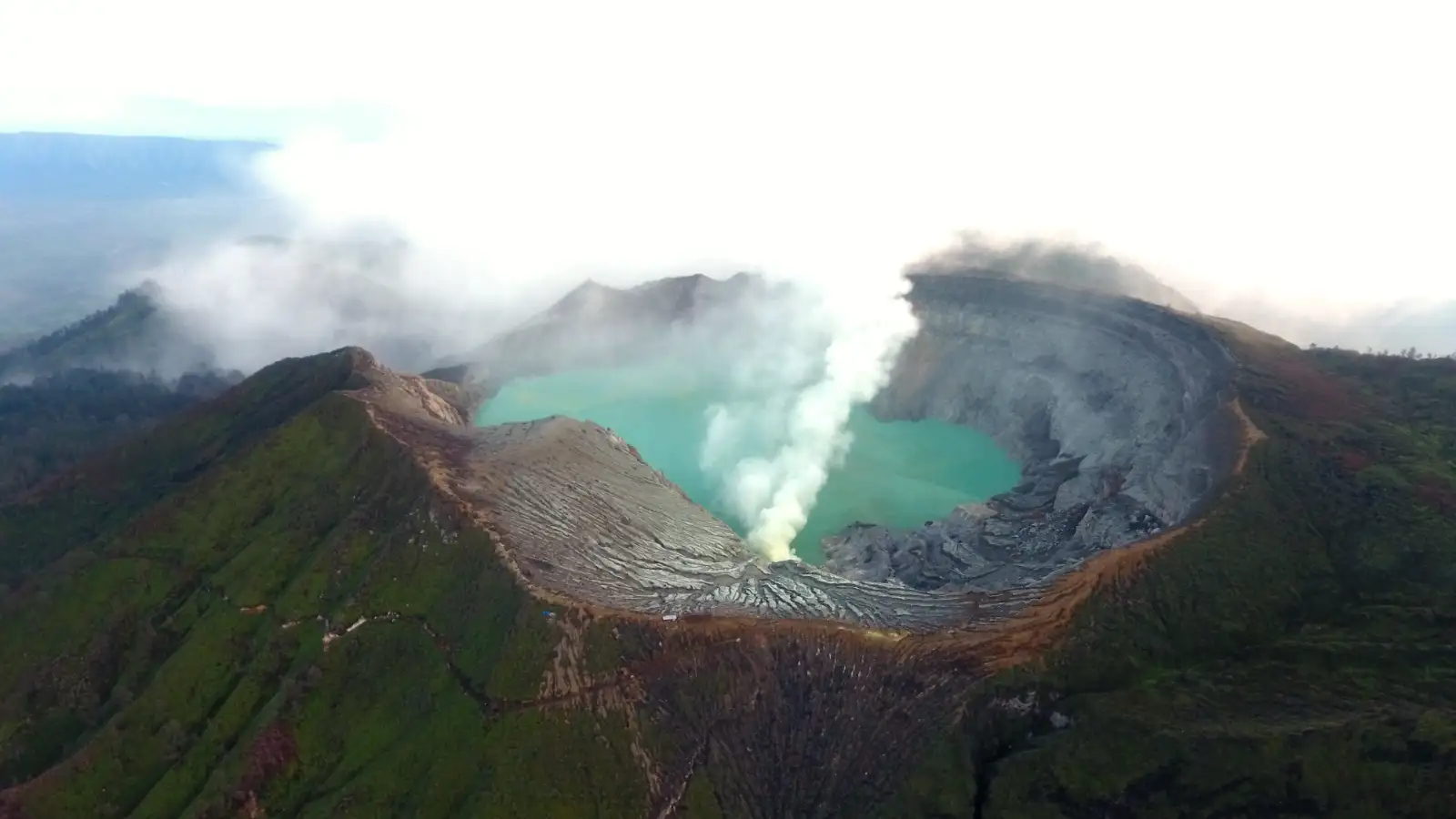
Steam perpetually rises from the lake’s surface, caught in the early morning light. Photographers often find the contrast between the yellow sulfur deposits and the milky blue water far more compelling than the nighttime fire.
Standing on the rim, you witness a landscape that feels prehistoric. Because the acidity is so high, no vegetation survives near the water, leaving a raw, rugged terrain of jagged rocks and swirling mists.
🔥 Featured Expedition
Don’t miss the chance to see the crater at its most beautiful. Our signature tour ensures you reach the best viewpoints exactly as the sun breaks the horizon.
Java’s Premier Sunrise Perspective
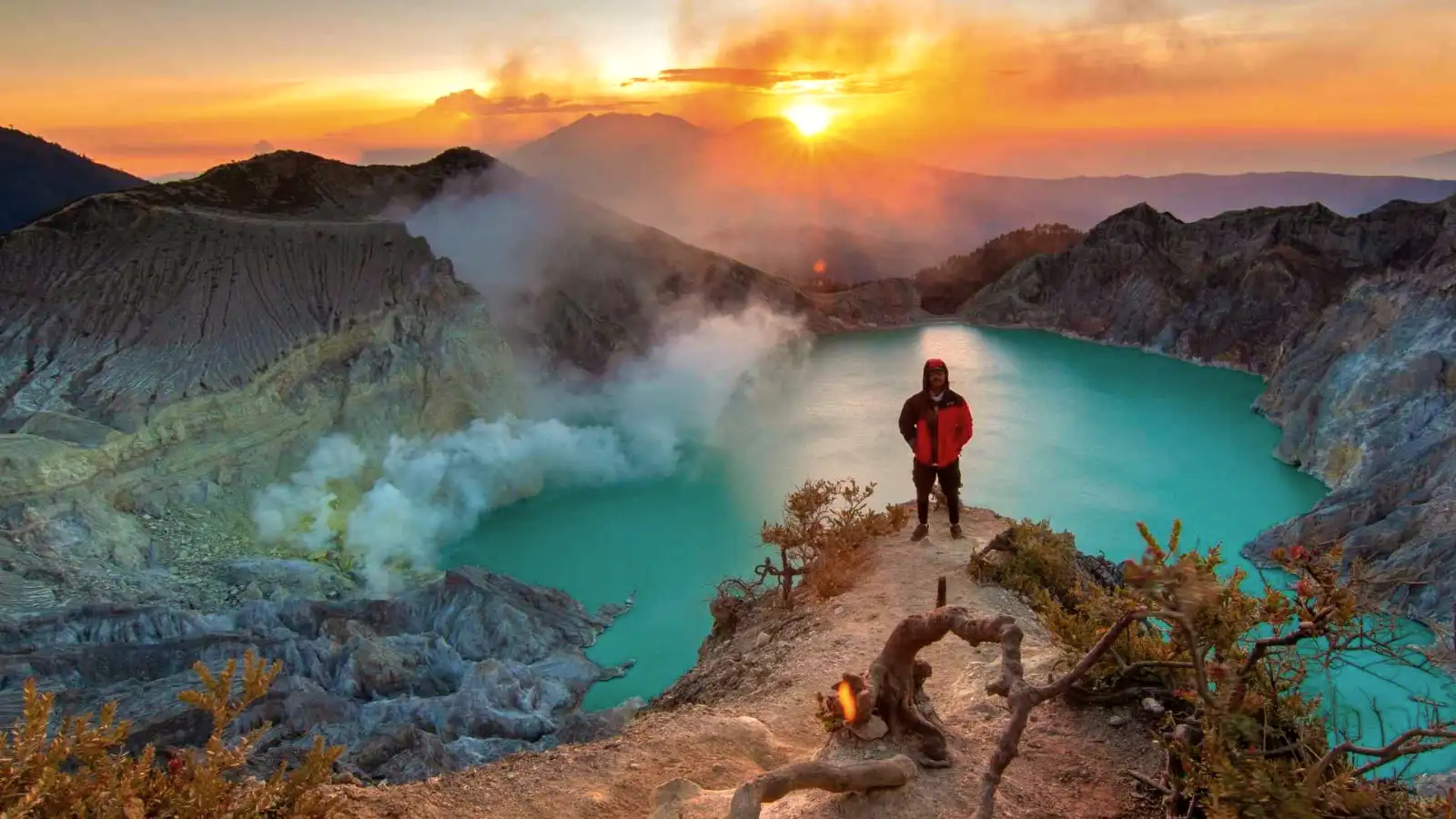
Sunrise at Ijen is a multi-act performance. It starts with deep purples and oranges over the Bali Strait, eventually illuminating the surrounding volcanic peaks like Mount Raung and Mount Merapi.
Most visitors find a spot along the crater rim to watch the light crawl down the inner walls of the caldera. As the sun hits the lake, the water transforms from a dark navy to its signature glowing turquoise.
Visibility is usually highest during the first hour of daylight. On a clear morning, you can see the coastline of Bali shimmering in the distance, providing a stark contrast to the desolate volcanic world at your feet.
The Human Element: Sulfur Mining
Meeting the local miners is often cited by travelers as the most humbling part of the trek. These men carry bamboo baskets laden with 70 to 90 kilograms of solid sulfur up from the crater floor.
They navigate steep, slippery paths that would challenge an unweighted hiker. Observing this centuries-old tradition provides a level of cultural immersion that most “sightseeing” spots lack.
Interacting with the miners—many of whom are happy to chat or share a smile—adds a layer of reality to the adventure. It reminds you that Ijen isn’t just a park; it’s a living, breathing workspace for a incredibly resilient community.
Is the Hike Actually Difficult?
Reaching the summit is a moderate challenge that requires a basic level of fitness. The path is wide and well-trodden, but the incline is consistent and steep in the first two kilometers.
| Detail | Requirement / Stat |
|---|---|
| Total Distance | 3 km one way (6 km round trip) |
| Time to Summit | 1.5 to 2 hours |
| Elevation Gain | Approximately 500 meters |
| Fitness Level | Moderate (beginners are welcome) |
Weather can be surprisingly cold before dawn, with temperatures often dropping to 5°C. However, once the sun rises and you begin your descent, the air warms up quickly, making layers essential.
Continue Your Adventure
Java offers far more than just one volcano. If you are starting from the Island of the Gods, we highly recommend an Ijen Crater tour from Bali to maximize your time. For those seeking the full volcanic circuit, the 2-day Mount Bromo tour from Bali is a perfect companion. If you are arriving through Surabaya, the Bromo Ijen 3-day tour remains our most popular choice. Travelers crossing the island often prefer the Yogyakarta to Bali 4-day adventure including Tumpak Sewu, or the specialized Sukamade turtle beach extension.
Frequently Asked Questions
Is it worth going to Ijen if the Blue Fire is closed?
Yes, most travelers find the turquoise lake and sunrise viewpoints to be the true highlights. The Blue Fire is a “bonus” rather than the main event.
What is the best time of day to see the lake?
Between 6:00 AM and 8:00 AM. This is when the sun hits the water at an angle that maximizes its vibrant color before clouds potentially roll in.
Do I still need a gas mask?
If you stay on the rim, a mask is usually optional but recommended if the wind shifts. If you plan to descend toward the sulfur vents, a professional respirator is mandatory.
How cold does it get at the top?
Temperatures can hover between 5°C and 12°C. A windbreaker and a warm fleece are usually enough to keep you comfortable during the wait for sunrise.
Can I see the lake on a cloudy day?
Fog can sometimes obscure the view, but clouds often move quickly. Waiting 15-20 minutes at the rim often results in a clear window of visibility.
Ready for the Ultimate Java Adventure?
Don’t let the unpredictability of the Blue Fire stop you from experiencing one of Earth’s most unique landscapes. Join our expert guides for a seamless, safe, and breathtaking journey.