Bali to Ijen Crater Solo Travel Guide: Essential Logistics and Tips
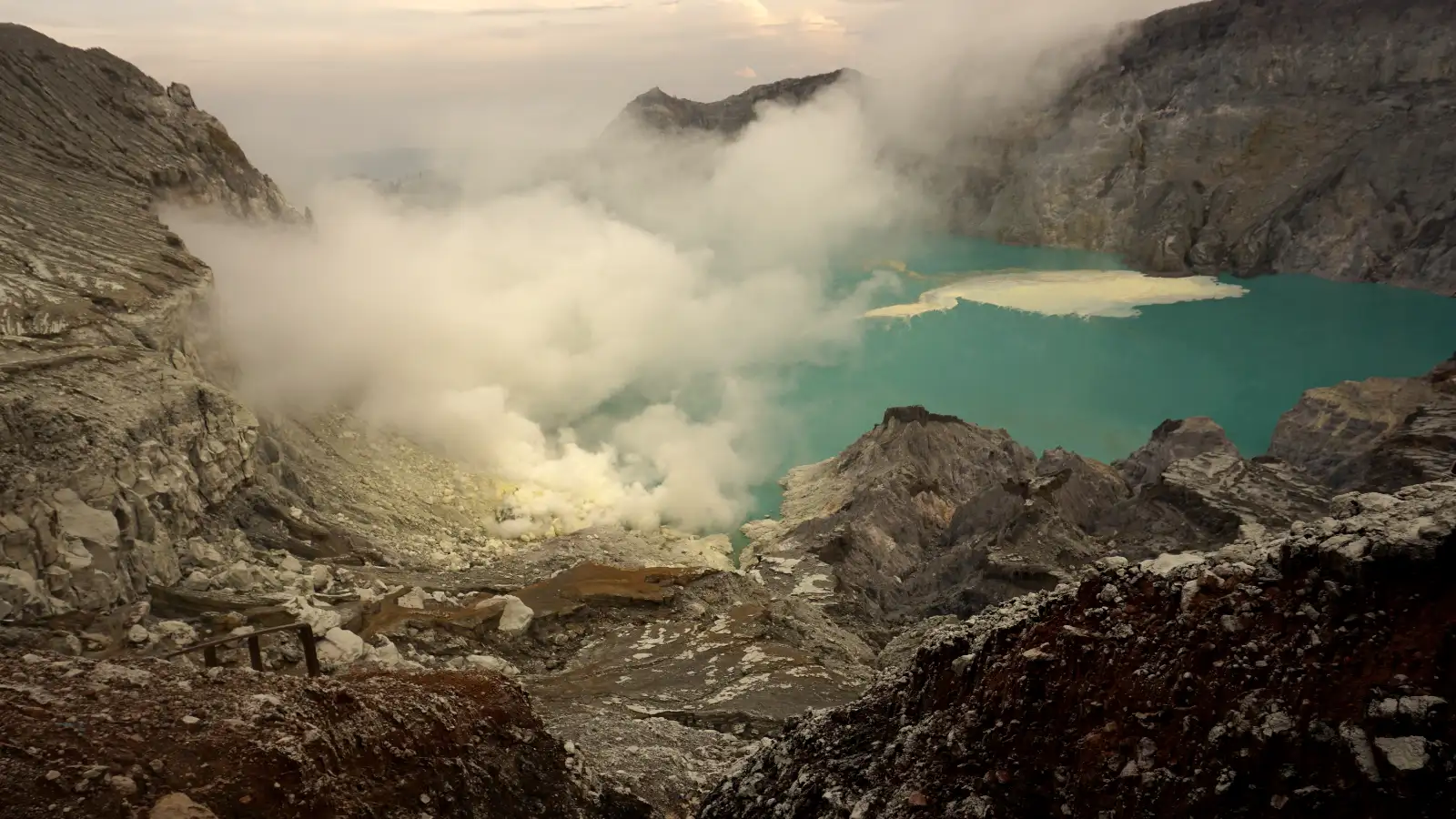
Traveling solo from Bali to Ijen Crater is entirely feasible with the right preparation. Most travelers catch a ferry from Gilimanuk to Ketapang and then hire a local driver or join a group tour for the midnight hike. Booking a professional tour remains the safest and most efficient way to handle 2 AM logistics and equipment.
What You Need to Know
- Travel Time: 4-6 hours from Southern Bali to the ferry port.
- Ferry Cost: Approximately IDR 10,000 for foot passengers.
- Hiking Difficulty: Moderate; steep incline for the first 90 minutes.
- Best Base: Stay in Banyuwangi, East Java, for the easiest access.
- Permits: Health certificates are currently required for all hikers.
Table of Contents
Why Trust This Guide
Our team consists of veteran field reporters who have navigated the Bali-to-Java crossing dozens of times. We provide data-driven insights based on real-time changes in local volcanic regulations and transport schedules. Truth be told, navigating East Java solo can be intimidating, so we prioritize practical, boots-on-the-ground advice over generic fluff.
Every recommendation here stems from direct experience with local operators and the Department of Forestry. We understand the specific pain points of solo travelers, from finding reliable transport to ensuring personal safety at the rim. Because of this, you can trust our logistics to be accurate and up-to-date.
Transport Logistics from Bali
Reaching Ijen involves a multi-stage journey across land and sea. Most backpackers start by taking a public bus from Mengwi Terminal in Bali heading toward Gilimanuk. Luxury travelers often prefer hiring a private driver for a more comfortable four-hour transit to the western tip of the island.
The ferry crossing to Ketapang in Java is incredibly frequent, running 24/7. Once you land in Java, the atmosphere shifts significantly from Bali’s Hindu culture to a more traditional Javanese environment. Renting a scooter in Banyuwangi is an option for the brave, but the steep, winding mountain roads are treacherous in the dark.
Ferry and Train Coordination
Boats depart every 30 minutes, and the crossing takes about an hour. Always keep your passport and health documents handy, as port security can be strict. If you are coming from further away, the train from Surabaya to Banyuwangi is another excellent solo-friendly alternative.
Banyuwangi serves as the perfect base camp for your expedition. This town offers everything from budget hostels to high-end resorts. Staying here allows you to rest before the midnight departure to the Ijen base camp at Paltuding.
Important Update: The appearance of the Blue Fire at Ijen Crater is highly unpredictable. It depends heavily on daily volcanic activity, gas density, and weather conditions. To avoid disappointment, please contact us via WhatsApp to check daily updates before you hike.
🔥 Featured Expedition
Short on time but want the full experience? This door-to-door service handles all transport, permits, and expert guiding from your hotel in Bali.
Preparing for the Midnight Hike
The journey to the crater rim begins around 2:00 AM. Starting this early is the only way to catch the rare blue flames before the sun begins to rise. The trail is wide and well-trodden, but the incline is relentless for the first two kilometers.
Solo travelers should stay close to other groups if they feel unsure about the path. However, the sheer volume of hikers makes getting lost nearly impossible. Here’s what nobody tells you: the dust on the trail can be quite thick, so a buff or scarf is essential for your lungs.
Descending into the Crater
Going down to the lake is the most technical part of the entire experience. The rocks are loose, and the path is narrow, requiring focused attention at every step. Gas masks are non-negotiable here due to the concentrated sulfur fumes that can burn your throat and eyes.
Sulfur miners carry incredibly heavy loads up these same paths. Always give them the right of way and maintain a respectful distance. Their resilience is a stark reminder of the harsh realities of the volcanic landscape.
Safety and Essential Gear
Proper gear makes or breaks your experience at the rim. Temperatures at the summit can drop to 5°C (41°F) before sunrise, so layering is the best strategy. A windbreaker paired with a warm fleece usually suffices for most hikers.
Footwear is another critical component often overlooked by casual tourists. Avoid wearing flip-flops or smooth-soled sneakers, as the descent into the crater is slippery. Sturdy hiking boots or shoes with deep lugs will save your ankles and provide necessary traction on the volcanic scree.
Gas Masks and Headlamps
Rent a high-quality respirator mask at the base camp if your tour doesn’t provide one. Cheap surgical masks offer zero protection against toxic sulfur dioxide. Additionally, a powerful headlamp is far superior to a handheld flashlight, keeping your hands free for balance.
Water and high-energy snacks are your best friends during the climb. While there are small huts selling tea and snacks along the way, they may not be open during the earliest hours. Carry at least 1.5 liters of water to stay hydrated in the dry mountain air.
Step-by-Step Solo Logistics Checklist
- Secure a Health Certificate from a local clinic in Bali or Banyuwangi.
- Book a hotel in Banyuwangi near the train station or ferry port.
- Arrange a motorcycle rental or private car for the 1:00 AM departure to Paltuding.
- Pack layers: T-shirt, fleece, and a windproof jacket.
- Ensure your headlamp is fully charged or has fresh batteries.
- Arrive at the Paltuding gate by 1:45 AM to handle entrance fees.
Continue Your Adventure
Once you’ve conquered Ijen, the wonders of East Java are just beginning. Many travelers continue their journey by booking an Ijen tour from Ubud or exploring the north coast with an expedition from Lovina. For those wanting a broader loop, the 3-day Bromo Ijen combo is a classic choice. If you are short on time, consider a two-day Bromo trip or a specialized adventure from Pemuteran.
Frequently Asked Questions
Is it safe to hike Ijen solo?
Yes, it is generally safe because the trail is very busy. However, hiring a guide is highly recommended for the descent into the crater where sulfur fumes are dangerous.
Do I need a health certificate for Ijen?
Current regulations require a basic medical check-up certificate. You can easily obtain these at local clinics in Banyuwangi for a small fee.
What is the best time of year to visit?
Dry season, typically from April to October, offers the clearest skies and safest trail conditions. Rainy season can make the descent very slippery and dangerous.
Can I see the Blue Fire every night?
The Blue Fire is a natural phenomenon and is not guaranteed. It depends on gas pressure and weather; heavy rain often makes it invisible.
How much does the entrance fee cost?
For international visitors, the fee is approximately IDR 100,000 on weekdays and IDR 150,000 on weekends. Prices are subject to change by the national park authorities.
Ready for the Adventure of a Lifetime?
Don’t leave your Ijen expedition to chance. Let our expert guides handle the logistics while you focus on the views.