Best Time of Year to Travel from Bali to Ijen Crater: A Local Guide
What You Need to Know: The Quick Answer
The absolute best time of year to travel from Bali to Ijen is during the dry season, which runs from May to September. These months offer the clearest skies, safest hiking trails, and the highest probability of witnessing the famous electric-blue fire phenomenon.
Planning your trip during this window ensures you avoid heavy tropical downpours that often lead to trail closures. For those seeking a seamless adventure, booking between July and August provides the most stable weather, though crowds are at their peak.
Table of Contents
Important Update: The appearance of the Blue Fire at Ijen Crater is highly unpredictable. It depends heavily on daily volcanic activity, gas density, and weather conditions. To avoid disappointment, please contact us via WhatsApp to check daily updates before you hike.
The Golden Window: May to September
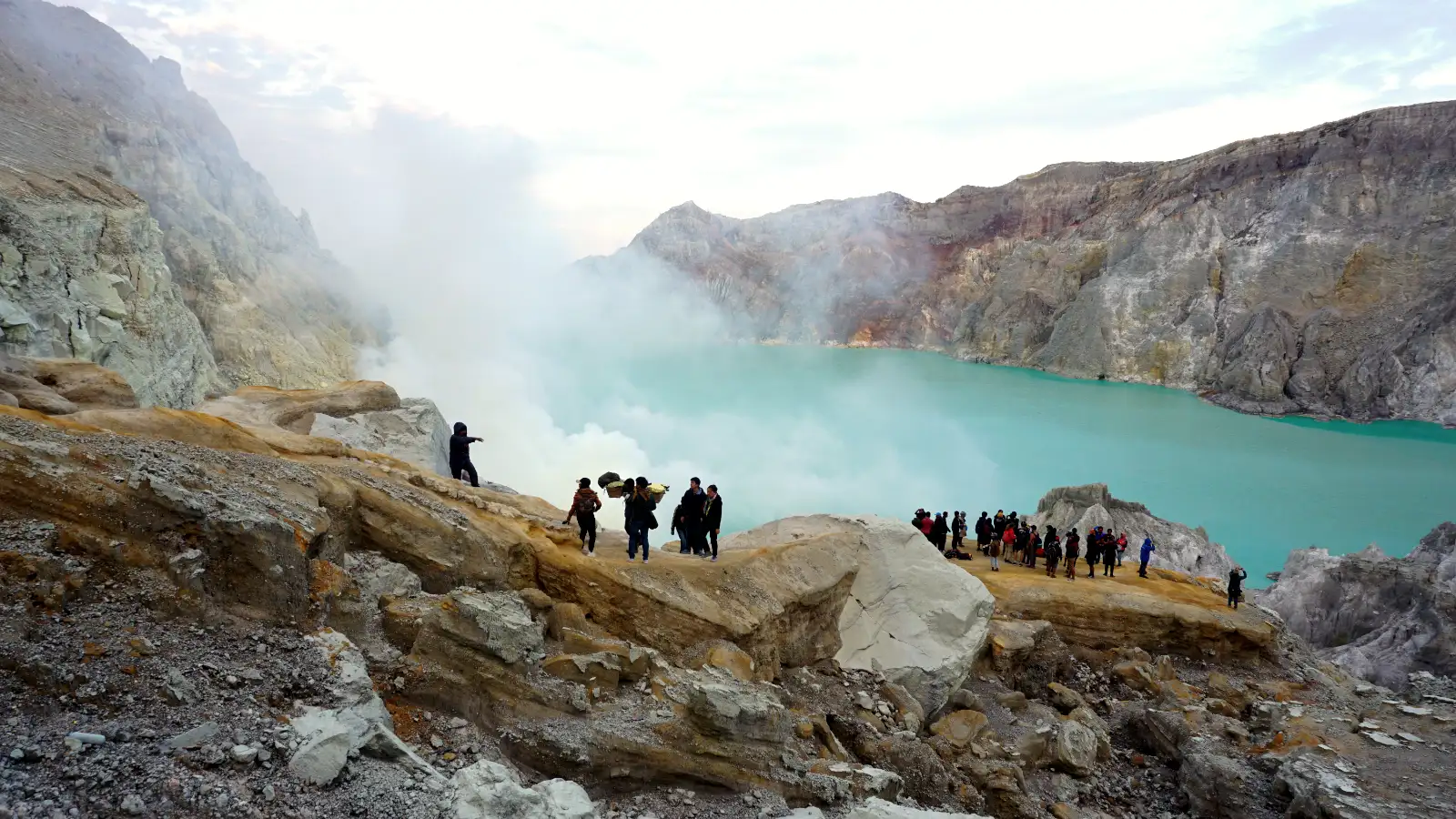
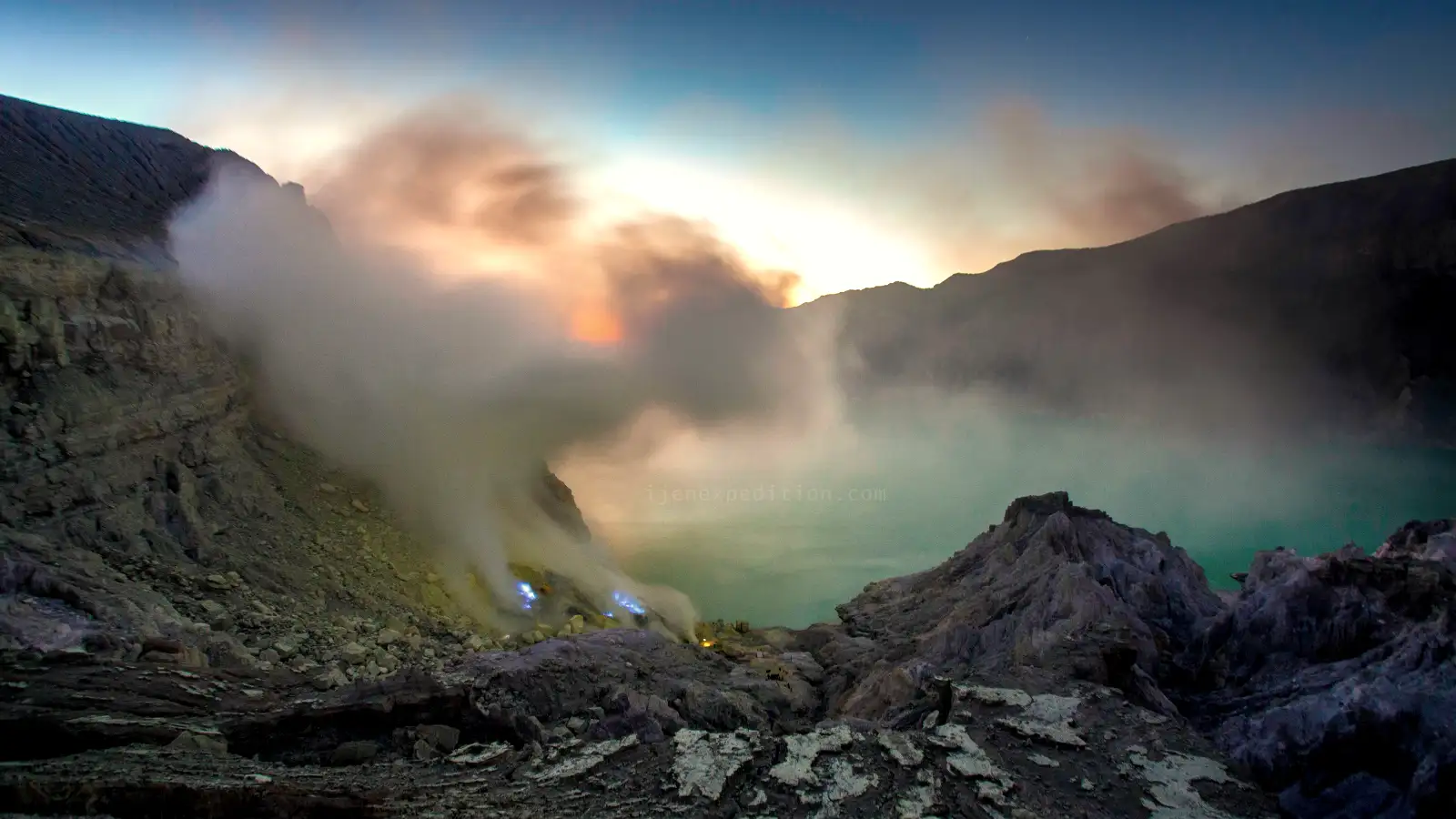
Choosing the right month changes your entire experience at Mount Ijen. Sunlight hits the turquoise acid lake perfectly during the dry months, creating a contrast you simply won’t see under gray clouds.
Hiking paths stay firm and manageable when the rains hold off. Slippery volcanic ash can turn a moderate trek into a dangerous slide during the monsoon, making the dry season the safest pick for all fitness levels.
Visibility and the Blue Fire
Clear nights are essential for those hoping to see the blue fire. Since the sulfur gas ignites upon contact with air, heavy rain or thick fog can easily obscure this rare sight from your view.
Photographers usually flock to the rim at 4:00 AM during July. The lack of haze allows for crisp shots of the Milky Way before the sun begins its ascent over the Baluran National Park in the distance.
🔥 Featured Expedition
Maximize your chances of seeing the Blue Fire with our most popular guided trek departing directly from your hotel in Bali.
Shoulder Season Secrets
April and October serve as the “sweet spots” for experienced travelers. You get to enjoy the tail end of the dry weather while avoiding the massive tourist surges found in mid-summer.
Prices for accommodation in Banyuwangi often dip during these months. Truth be told, you might catch a light afternoon shower, but the morning hikes usually remain clear and breathtakingly beautiful.
Why Logistics Matter in April
Ferry crossings between Gilimanuk and Ketapang are generally smoother before the heavy swells of the late monsoon arrive. This makes the trip from Ubud much more comfortable for those prone to seasickness.
Lush green vegetation starts to cover the caldera floor as the rains begin to subside. This creates a vibrant landscape that looks significantly different from the dusty, barren environment of the peak dry season.
Navigating the Rainy Season
November through March brings the tropical monsoon to East Java. While the crater remains open most days, the experience is considerably more rugged and unpredictable for the average tourist.
Rain usually falls in short, intense bursts during the late afternoon. However, morning fog can be so thick at the summit that you might stand ten feet from the lake and not see the water.
The Risk of Trail Closures
Safety is the primary concern when trekking in the wet season. Local authorities occasionally close the path to the crater floor if gas concentration becomes trapped by the heavy, humid air.
Muddy tracks require high-quality hiking boots with aggressive grip. If you choose to visit now, you must be prepared for the possibility that the descent to see the Blue Fire might be restricted for safety reasons.
Avoiding the Crowds
Weekends are notoriously busy at Ijen regardless of the season. Local students and domestic travelers from nearby Surabaya fill the trails every Saturday and Sunday morning.
Plan your arrival for a Tuesday or Wednesday to have the rim almost to yourself. This allows for a much more meditative experience as you watch the sulfur miners begin their grueling workday.
Public Holiday Hazards
Independence Day in mid-August and the Eid al-Fitr holidays see record-breaking numbers of visitors. During these times, the narrow trail can feel more like a busy city sidewalk than a remote volcanic trek.
Booking a private tour from Pemuteran can help you navigate these crowds. Experienced guides know exactly when to start the hike to stay ahead of the largest tour groups.
Seasonal Comparison Matrix
| Season | Months | Blue Fire Odds | Crowd Level |
|---|---|---|---|
| Dry | May – Sept | High (80%+) | Peak |
| Shoulder | April / Oct | Moderate | Medium |
| Rainy | Nov – March | Low / Risky | Low |
Why Trust This Guide?
This guide was compiled by veteran field reporters who have trekked Mount Ijen over 500 times across every season. We monitor daily volcanic activity reports and weather patterns to provide the most accurate, up-to-date advice for international travelers crossing from Bali.
Frequently Asked Questions
Is Ijen Crater open all year round?
Usually, yes. The park only closes for extreme weather, high volcanic gas activity, or the annual “Ijen Ritual” days, so it is best to check with a local tour operator before you travel.
What is the coldest month at the summit?
August is typically the coldest month. Temperatures at the rim can drop to 5°C (41°F) before sunrise, so high-quality layers are essential for your comfort.
Can I see the Blue Fire in the rainy season?
It is possible, but much harder. Rain clouds and steam can hide the flames, and the descent into the crater is often much more dangerous when the rocks are wet.
How long is the ferry from Bali to Ijen?
The ferry ride itself takes about 45 to 60 minutes. However, you should allow at least 2 hours for the total transfer including boarding and unloading time.
Is it better to visit Bromo or Ijen first?
Many travelers prefer visiting Bromo first and finishing at Ijen. This allows for a smoother transition to the Bali ferries after your Ijen trek is complete.
Continue Your Adventure
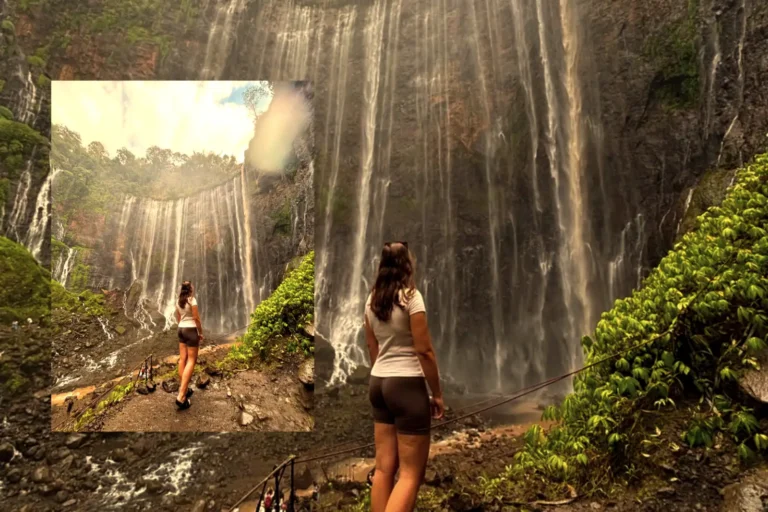
The journey across East Java offers far more than just a single volcano. You can easily extend your trip to witness the majestic Tumpak Sewu Waterfall or join a Bromo tour from Bali. For those with more time, the 3-day Bromo Ijen loop is the definitive way to see the best of Java. If you are looking for something unique, consider a Sukamade turtle beach extension or explore the 5-day ultimate adventure for a total immersion in Javanese nature.
Ready to Witness the Blue Fire?
Don’t leave your bucket-list trip to chance. Join our expert-led expeditions and ensure you’re at the crater at the perfect moment.