
Bali to Java Ferry Crossing: The Complete Guide for Travelers
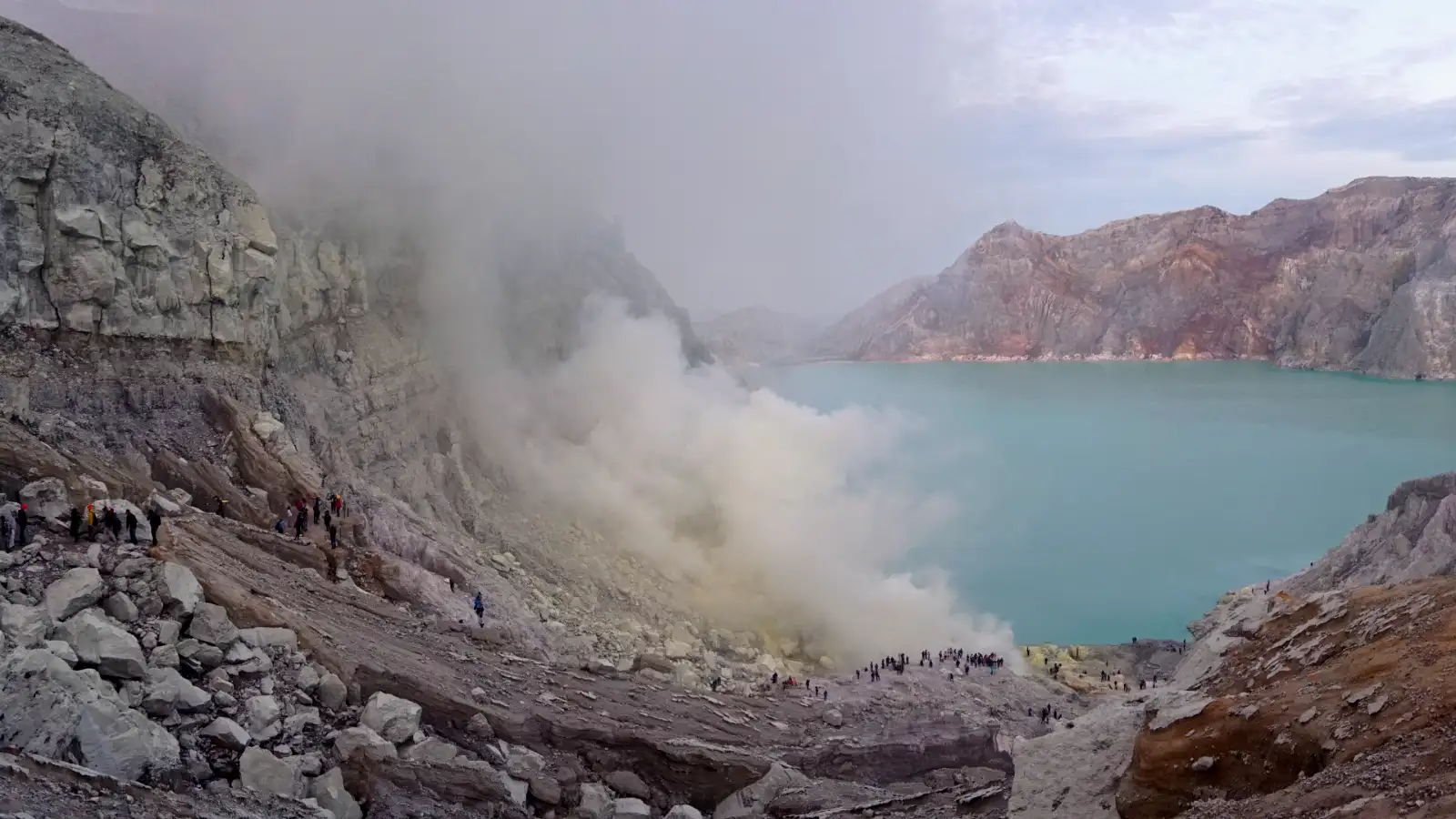
Crossing the Bali Strait involves a short 45-to-90-minute ferry ride between Gilimanuk (Bali) and Ketapang (Java). These vessels operate 24 hours a day, departing roughly every 30 minutes throughout the week. Travelers must use the Ferizy digital system for tickets, as manual booths no longer sell them at the gate.
What You Need to Know
- 🚢 Departure Point: Gilimanuk Port, West Bali.
- 📍 Arrival Point: Ketapang Port, Banyuwangi, East Java.
- 🎟️ Booking: Must be done via Ferizy before arrival.
- ⏰ Frequency: Ferries run every 20-30 minutes, 24/7.
Planning to see the blue fire? Most travelers use this ferry to Book Your Tour and explore the volcanic wonders of East Java.
Table of Contents
Why Trust This Guide
Our team has navigated the Bali-Java crossing hundreds of times in every imaginable condition. We have experienced the midnight swells, the midday tropical heat, and the evolution of the ticketing system from paper to digital. This guide comes from field reporters who live and breathe Indonesian travel logistics.
Real-time data is our priority. We monitor port updates and local regulations to ensure you don’t get stuck at the terminal without a QR code. Your journey across the strait should be a highlight, not a headache.
The Logistics: Gilimanuk to Ketapang
Reaching Gilimanuk Port from South Bali takes approximately 3.5 to 5 hours depending on traffic. This route winds through the scenic West Bali National Park, offering glimpses of monkeys and dense jungle along the way. Most backpackers take a public bus from Ubung Terminal, while luxury travelers prefer private drivers.
Once you arrive at the port, the process is surprisingly streamlined. Vehicles are directed into lanes based on their size and ticket type. Foot passengers have a dedicated entrance that leads directly to the boarding ramp.
Understanding the Port Layout
Gilimanuk is a sprawling facility with multiple docking points. Staff members are generally helpful, though English proficiency varies among the deckhands. Just look for the “Penumpang” signs if you are traveling without a vehicle.
Java’s Ketapang Port is located just north of Banyuwangi city center. This is your gateway to the world-famous acid lake. Many adventurers start their Ijen Crater tour immediately after disembarking.
Tickets and the Ferizy System
Cash is no longer king at the ferry gates. Indonesia has shifted entirely to the Ferizy platform for all domestic ferry bookings. You should download the app or visit the website at least 24 hours before your planned departure.
Registration requires a valid ID or passport number. After payment, you will receive a QR code via email or within the app. Show this code to the officers at the gate to receive your physical boarding pass.
🔥 Featured Expedition
Short on time but want the full experience? Join our premier trek to see the electric blue flames of East Java.
Current Pricing Estimates
Ticket prices are remarkably affordable for international standards. A foot passenger ticket usually costs less than 10,000 IDR. If you are bringing a scooter or a private car, prices range from 30,000 to 200,000 IDR respectively.
That said, prices can fluctuate slightly based on government fuel subsidies. Always check the official Ferizy app for the most accurate, up-to-the-minute rates before you head to the port. The peace of mind is worth the extra five minutes of digital prep.
Onboard Experience and Safety
Expect a functional rather than luxurious environment on the standard ferries. These are working vessels designed to transport thousands of people and vehicles daily. You will find indoor seating with air conditioning, though it often competes with the noise of local television broadcasts.
Upper decks are the place to be if you enjoy sea breezes and panoramic views. Watch the volcanic peaks of Java rise on the horizon as you cross the three-kilometer gap. The scenery is particularly stunning during the “golden hour” just before sunset.
Food and Amenities
Small kiosks on board sell instant noodles, bottled water, and local snacks. Prices are higher than street vendors but still very reasonable for most travelers. Toilets are available but usually quite basic; bringing your own tissue is a smart move.
Safety equipment like life jackets is visible throughout the passenger areas. While the crossing is short, the current in the Bali Strait can be surprisingly strong. Pay attention to the safety briefings if they are played over the loudspeaker system.
Timing Your Crossing Perfectly
Truth be told, the “best” time to cross depends on your destination in Java. If you are heading straight to a volcano, a midnight crossing is standard. This allows you to arrive in Banyuwangi just in time for a 2:00 AM trek start.
Daytime crossings are better for those who want to enjoy the coastal views. Traffic at the port usually peaks during major Indonesian holidays like Eid al-Fitr. During these times, wait times can stretch from one hour to six or more.
Weather and Sea Conditions
Storms can occasionally cause temporary suspensions of service. High winds are the most common culprit for delays in the Bali Strait. Fortunately, these closures rarely last more than a few hours before the harbor master gives the all-clear.
Because of this, always keep a flexible schedule if you are traveling during the monsoon season. Check local weather apps or the Port Authority’s social media pages for real-time alerts. A little bit of foresight goes a long way here.
Continue Your Adventure
Disembarking in East Java is only the beginning of a much larger journey through Indonesia’s volcanic spine. Many travelers choose the Mount Bromo tour from Bali for an epic sunrise, or opt for a deeper dive with a Bromo Ijen tour from Bali. If you are heading westward toward Central Java, the Bromo Ijen Tumpak Sewu tour to Yogyakarta offers a perfect mix of waterfalls and craters. For those seeking raw nature, the Sukamade turtle beach extension is a rare treat. Finally, families and groups often prefer the comprehensive 5-day adventure returning to Bali.
Frequently Asked Questions
The actual sailing time is usually between 45 and 60 minutes. However, you should factor in another 30 minutes for loading and unloading vehicles at the docks.
No, you cannot buy tickets from a physical counter at the gate anymore. You must book online through the Ferizy app or website before you arrive at the port entrance.
Yes, the Bali–Java ferry runs 24 hours a day, 7 days a week. It is one of the most consistent transport links in all of Indonesia.
The ferries are generally safe and meet national maritime standards. While they are basic, they are heavily used by both locals and tourists without major issues.
Yes, Executive ferries are faster, usually taking about 30 minutes, and have more modern lounges. They are slightly more expensive but provide a more comfortable experience.
Ready to Cross the Strait?
Don’t let logistics slow down your Indonesian adventure. Let our experts handle the transport, tickets, and tours so you can focus on the views.