Mount Ijen Health Certificate: Why You Can’t Hike Without This Document in 2026
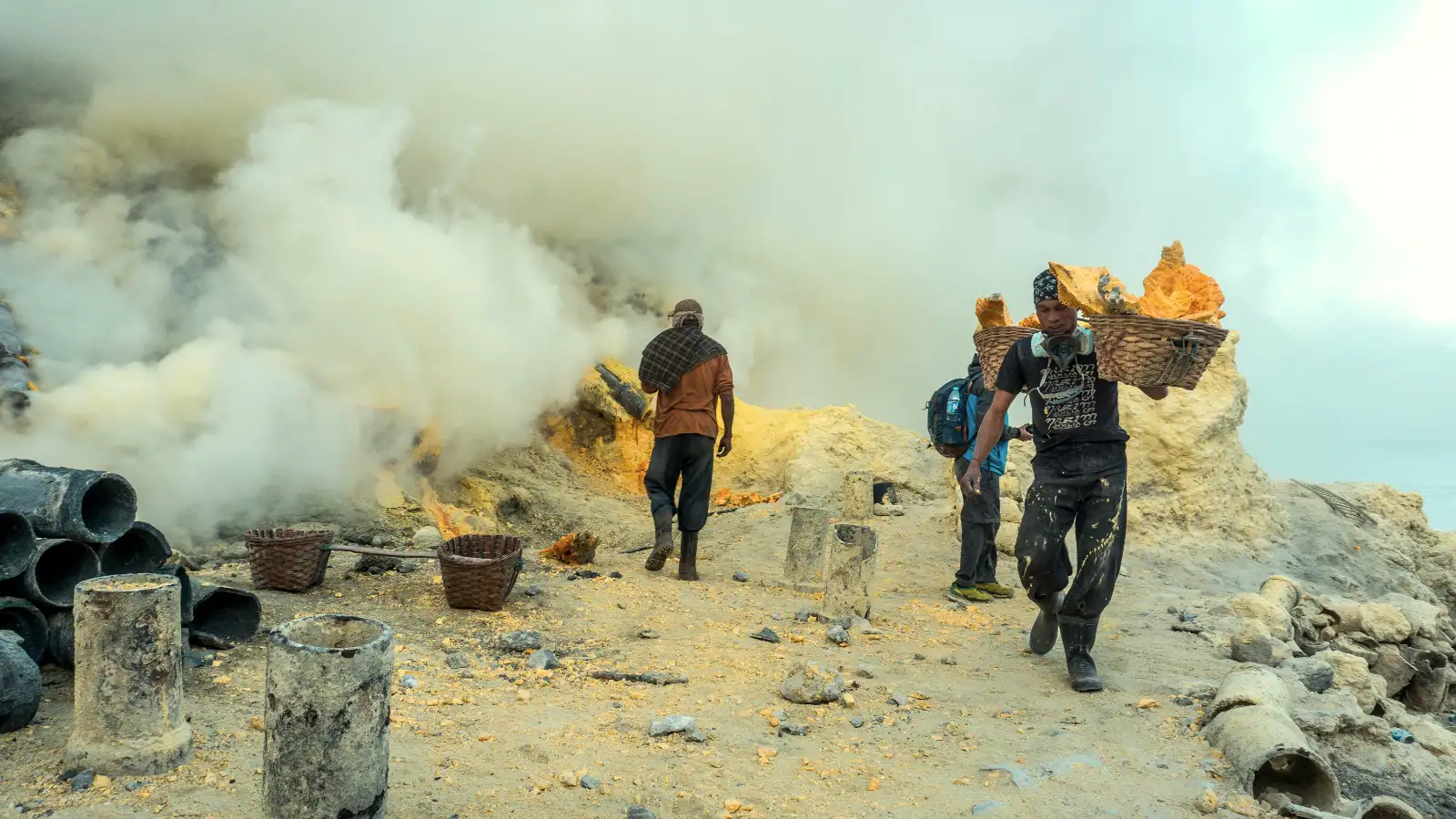
Imagine waking up at 1:00 AM, driven by the thrill of seeing the world-famous electric blue flames.
However, your excitement might suddenly vanish if a ranger stops you at the Paltuding entrance gate.
Specifically, a new regulation now requires every single visitor to present a formal medical screening document.
Therefore, understanding the mount ijen health certificate requirement is no longer optional for those visiting East Java.
Because of several safety incidents in the past, authorities have tightened hiking safety protocols significantly.
Consequently, skipping this step means you simply won’t be allowed to start the climb.
Fortunately, obtaining this health permit is relatively straightforward if you know where to go.
In this guide, we break down the logistics, costs, and the exact physical condition checks you will face.
If you want to ensure a smooth trip, check current availability for our guided treks that include medical assistance.
What You Need to Know
First, the certificate must be issued by a licensed Indonesian clinic or hospital near the volcano.
Furthermore, it usually costs between IDR 25,000 to IDR 50,000 depending on the facility you choose.
Meanwhile, if you travel with a reputable agency, they often handle this paperwork for you entirely.
Ultimately, do not forget to reserve your local guide early to avoid the last-minute stress of document hunting.
In This Guide
• Why the Health Certificate is Mandatory
• How to Get Your Medical Screening
• Costs and Clinic Logistics
• Why Trust This Guide?
• Frequently Asked Questions
The Origin of the Mount Ijen Health Certificate Requirement
Safety has become the top priority for the Ijen UNESCO Global Geopark management team recently.
Specifically, the trek involves steep inclines and significant sulfur gas exposure that can tax your respiratory health.
In addition, the high altitude often exacerbates underlying heart conditions for some unsuspecting travelers.
Moreover, local authorities implemented these trekking regulations to prevent medical emergencies on the narrow crater rim.
As a result, every hiker must prove they are in a fit physical condition before starting.
Therefore, the health permit acts as a basic insurance policy for both you and the park rangers.
Understanding Respiratory Risks
Sulfur fumes at the crater are naturally dense and can be highly irritating to your lungs.
For instance, people with asthma or chronic bronchitis are often discouraged from entering the crater floor.
Consequently, a professional mask for sulfur fumes is vital, but the certificate is your first line of defense.
Meanwhile, the medical screening focuses heavily on blood pressure and heart rate stability.
If your blood pressure is too high, the doctor might advise against the midnight climb.
Ultimately, these precautions ensure that your adventure doesn’t end in a hospital visit.
Volcanic Activity and Safety
Volcanic activity fluctuates daily, making the environment at the top quite unpredictable.
Because the trek starts in the dark, your body needs to be at its peak fitness level.
Furthermore, having a medical check-up gives you the confidence to tackle the three-kilometer ascent without fear.
Step-by-Step: Getting Your Health Screening in Banyuwangi
First, identify the nearest licensed clinic or “Puskesmas” (local health center) in Banyuwangi or Bondowoso.
Most travelers find it easiest to visit a facility during the afternoon before their scheduled hike.
Specifically, many clinics near the city center are accustomed to tourists requesting this specific document.
In addition, you can view our comprehensive package which includes a dedicated stop at a partner clinic.
This approach saves you from navigating local transport and language barriers alone.
Moreover, the process usually takes less than fifteen minutes if the clinic isn’t crowded.
What the Doctor Checks
Doctors typically focus on a few key indicators during the medical screening.
Initially, they will measure your blood pressure to ensure it falls within a safe range.
Furthermore, they might ask about your history of heart issues or respiratory issues.
Subsequently, a quick heart rate check helps determine your general cardiovascular health.
Rarely, they might ask about your recent physical activity or any current medications.
Ultimately, the goal is to confirm you can handle the physical strain of the volcano.
🔥 Featured Expedition
Don’t let logistics ruin your sunrise. Our premium Ijen tour handles your health certificate, transport, and expert guiding in one seamless adventure.
Comparing Clinics and Official Costs
Navigating the local healthcare system can be confusing without a clear price reference.
Therefore, knowing the standard rates helps you avoid overpaying for a simple signature.
Most government-run Puskesmas offer the lowest rates for international visitors.
| Facility Type | Estimated Cost | Processing Time | Accessibility |
|---|---|---|---|
| Local Puskesmas | IDR 25,000 – 35,000 | 10 – 20 Minutes | High (Many Locations) |
| Private Hospital | IDR 50,000 – 100,000 | 15 – 30 Minutes | Medium (City Center) |
| Base Camp Clinic | IDR 30,000 – 50,000 | Variable (Can be long) | Directly at Paltuding |
However, the clinic at the Paltuding base camp often has the longest queues.
Specifically, hundreds of hikers might arrive simultaneously, leading to significant delays.
As a result, we highly recommend getting your certificate in town before you head toward the mountain.
What to Bring to the Clinic
First, you must bring your original passport or a very clear physical photocopy.
In addition, having some local currency (Rupiah) in cash is essential, as many small clinics don’t accept cards.
Consequently, preparing these items beforehand prevents unnecessary trips back to your hotel.
Furthermore, ensure you know the date of your intended hike.
Doctors usually date the certificate for the specific window of your visit.
If you book your midnight trek through us, we ensure your documents are valid for your exact entry time.
Why Trust This Guide?
Our team has navigated the shifting regulations of East Java for over a decade.
Specifically, we maintain daily contact with the Kawah Ijen national park authorities.
In addition, we have helped thousands of international travelers secure their permits without a single rejection.
Moreover, we prioritize your safety by advising on the essential gear for Ijen beyond just paperwork.
Understanding the difference between a casual walk and a volcanic trek is our expertise.
Therefore, you can rely on our data-driven insights to plan a risk-free expedition.
Frequently Asked Questions (FAQ)
Q: Can I get the health certificate online before I arrive?
A: No, the current regulations require a physical check-up by a licensed doctor in Indonesia. You can see pricing details for tours that include this physical check-up service.
Q: How long is the health certificate valid?
A: Generally, the medical document is valid for three days from the date of issuance. Therefore, you should get it just before your hike.
Q: Is the certificate required for the sunrise view only?
A: Yes, it is mandatory for everyone entering the Paltuding area to hike, regardless of whether you plan to see the blue fire or just the sunrise.
Q: What happens if I forget my certificate at the hotel?
A: Rangers will likely deny you entry. However, some clinics at the base camp might allow a last-minute screening for an extra fee if they are open.
Q: Does travel insurance cover the cost of the screening?
A: Usually, insurance doesn’t cover routine administrative screenings. Fortunately, the cost is very low, often less than the price of a cup of coffee.
Continue Your Adventure
Planning your trip to East Java often involves balancing multiple logistical pieces at once.
If you are coming from the Island of the Gods, our Ijen Crater Tour from Bali offers the most seamless transition.
Those already in East Java might prefer the direct Ijen Crater Tour from Banyuwangi for a quick overnight strike.
For travelers arriving in the provincial capital, our Ijen Crater Tour from Surabaya provides a comfortable long-distance option.
Serious adventurers should definitely look into the Bromo Ijen Tour to see the two most iconic volcanoes in one go.
Finally, if you are looking for a budget-friendly way to see the flames, join our Ijen Blue Fire Sharing Tour to meet fellow explorers.
Ready for the Ultimate Ijen Experience?
Don’t let medical paperwork stand between you and the blue fire. Book with us and we’ll handle the health certificate, gas masks, and logistics while you focus on the view.