Sulfur Mining Ijen Volcano [2026 Update]: Inside The World’s Most Dangerous Job
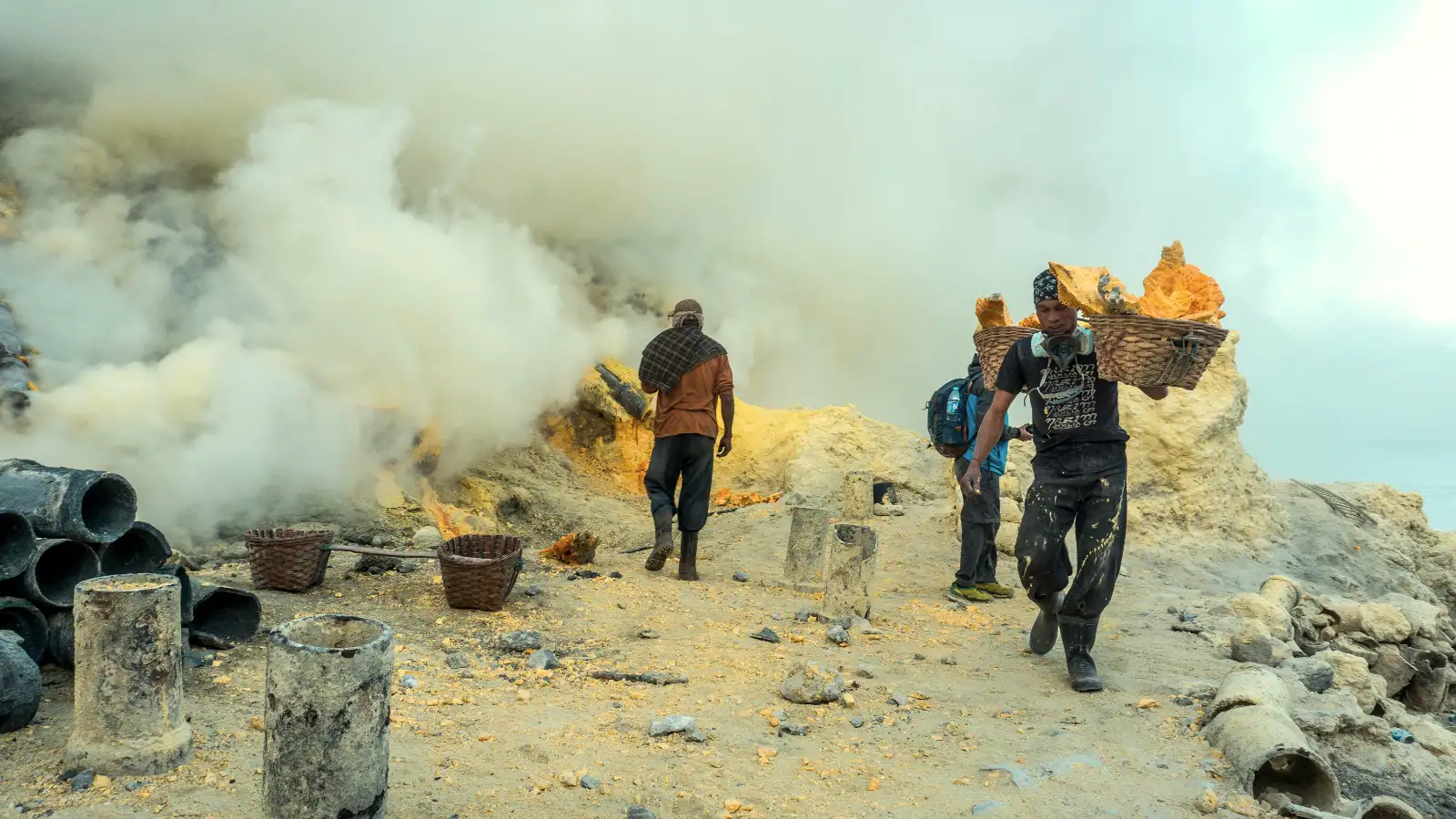
Sulfur mining at Ijen Volcano is widely considered one of the most physically demanding occupations on the planet. Specifically, local workers descend into the active crater daily to harvest solid sulfur amidst toxic fumes and extreme temperatures. Consequently, this raw display of human endurance has become a profound focal point for travelers seeking a deep understanding of East Java’s volcanic landscape. Before you go, you should check current availability for a guided trek that prioritizes both safety and cultural respect.
What You Need to Know
💡 Quick Fact: Miners carry between 70kg to 90kg of sulfur in bamboo baskets on their shoulders.
💡 Physicality: The hike is steep and requires a moderate level of fitness to reach the crater rim safely.
💡 Safety: Professional-grade gas masks are mandatory for anyone entering the crater to protect against sulfuric acid gas.
💡 Booking: To ensure you have the best local expertise, you should reserve your local guide in advance.
In This Guide
• Why Trust This Guide
• The Reality of Sulfur Mining
• How the Sulfur Extraction Works
• Visitor Logistics and Safety
• Frequently Asked Questions
Why Trust This Guide
First, our team consists of professional travel journalists and local East Java experts who have spent years navigating the Ijen Plateau. Specifically, we maintain direct relationships with the mining community and local guides to provide the most accurate, real-time information available. Moreover, we are committed to ethical tourism, ensuring that your visit benefits the local economy without compromising the dignity of the workers. Ultimately, we provide firsthand data to help you navigate this complex and mesmerizing environment responsibly.
The Raw Reality of Sulfur Mining
Imagine waking up at 1:00 AM to climb a volcano in the freezing darkness. First, you must tackle a steep, sandy path that ascends 600 meters over just three kilometers. Meanwhile, the air grows thick with the smell of rotten eggs as you approach the crater rim of Ijen UNESCO Global Geopark.
The Incredible Load
For instance, a typical miner makes two trips into the crater every single day. Furthermore, they carry loads that often exceed their own body weight using nothing but bamboo poles. Consequently, the toll on their bodies is immense, yet they perform this labor with legendary strength and resilience.
Economic Survival
In addition, many choose this path because it offers a higher daily wage compared to traditional farming in the region. Specifically, you can learn more about their earnings in our detailed report on how much Ijen miners make. Ultimately, this industry is the lifeblood of many families living on the slopes of the volcano.
How the Sulfur Extraction Works
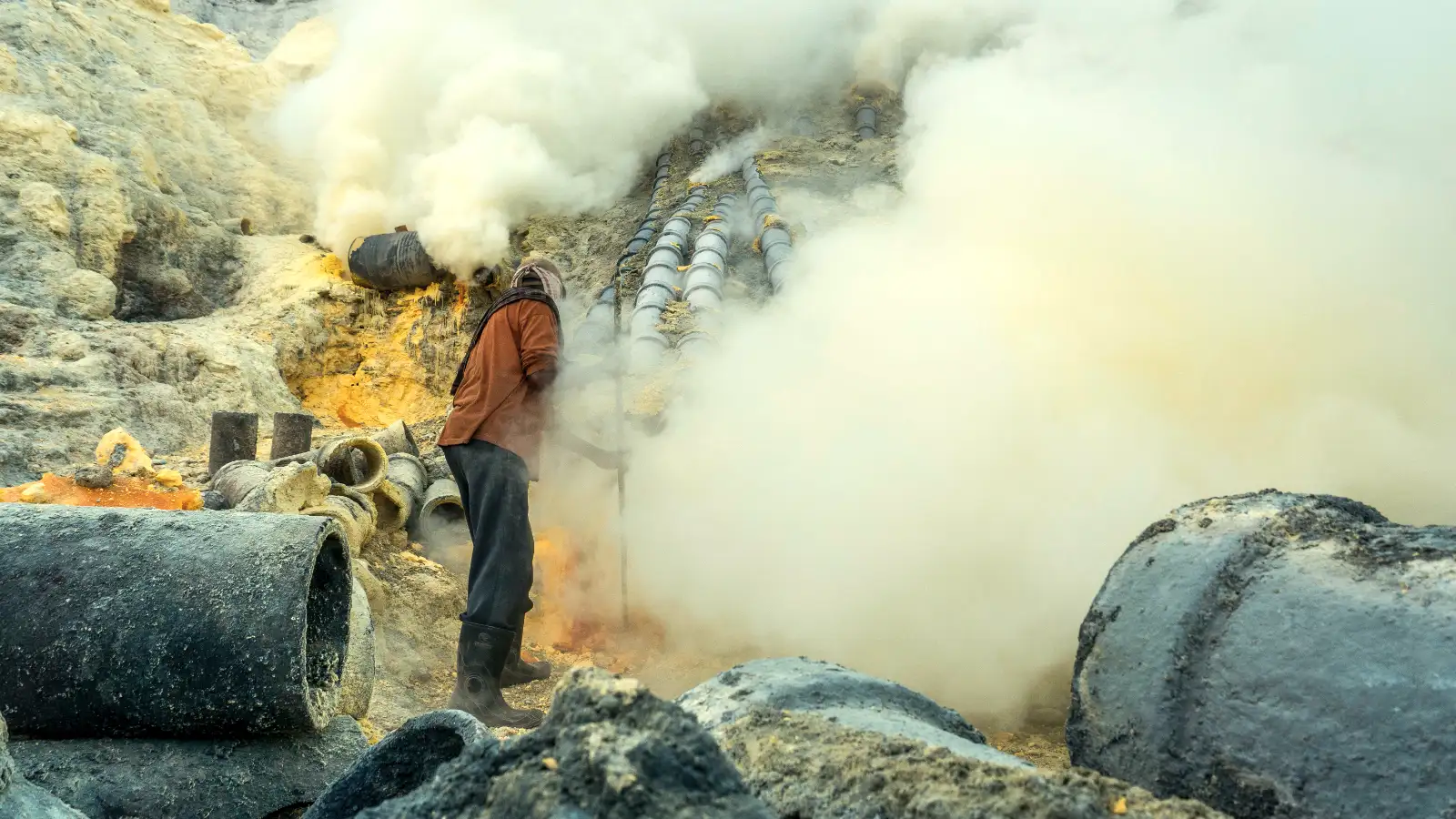
Beneath the surface, the volcano produces concentrated volcanic gases that are channeled through ceramic pipes. First, these gases condense into deep red liquid sulfur as they cool. Subsequently, the liquid pools onto the crater floor where it hardens into the iconic bright yellow crystals you see today.
The Harvesting Process
Moreover, miners use iron bars to break the solidified slabs into manageable chunks. Therefore, they must work quickly to avoid the shifting clouds of toxic sulfur gas that frequently engulf the mining site. Despite the harsh conditions, the precision they exhibit is nothing short of masterful.
Transporting the “Devil’s Gold”
In addition, once the baskets are filled, the true challenge begins. Specifically, they must navigate a narrow, rocky trail back to the rim before descending the outer slopes. If you want to witness this firsthand, you should view our comprehensive package to ensure a safe and guided experience.
🔥 Featured Expedition
Experience the raw beauty of the sunrise and the grit of the mining operation with our most popular trekking package. This journey includes professional gear, local transport, and expert storytelling from our native guides.
Visitor Logistics and Safety
Planning a trip to the Kawah Ijen crater requires careful preparation. First, you must ensure you have the mandatory equipment for climbing Ijen, which includes a gas mask and headlamp. Therefore, walking without proper lighting or respiratory protection is strictly prohibited by park rangers.
The Midnight Ascent
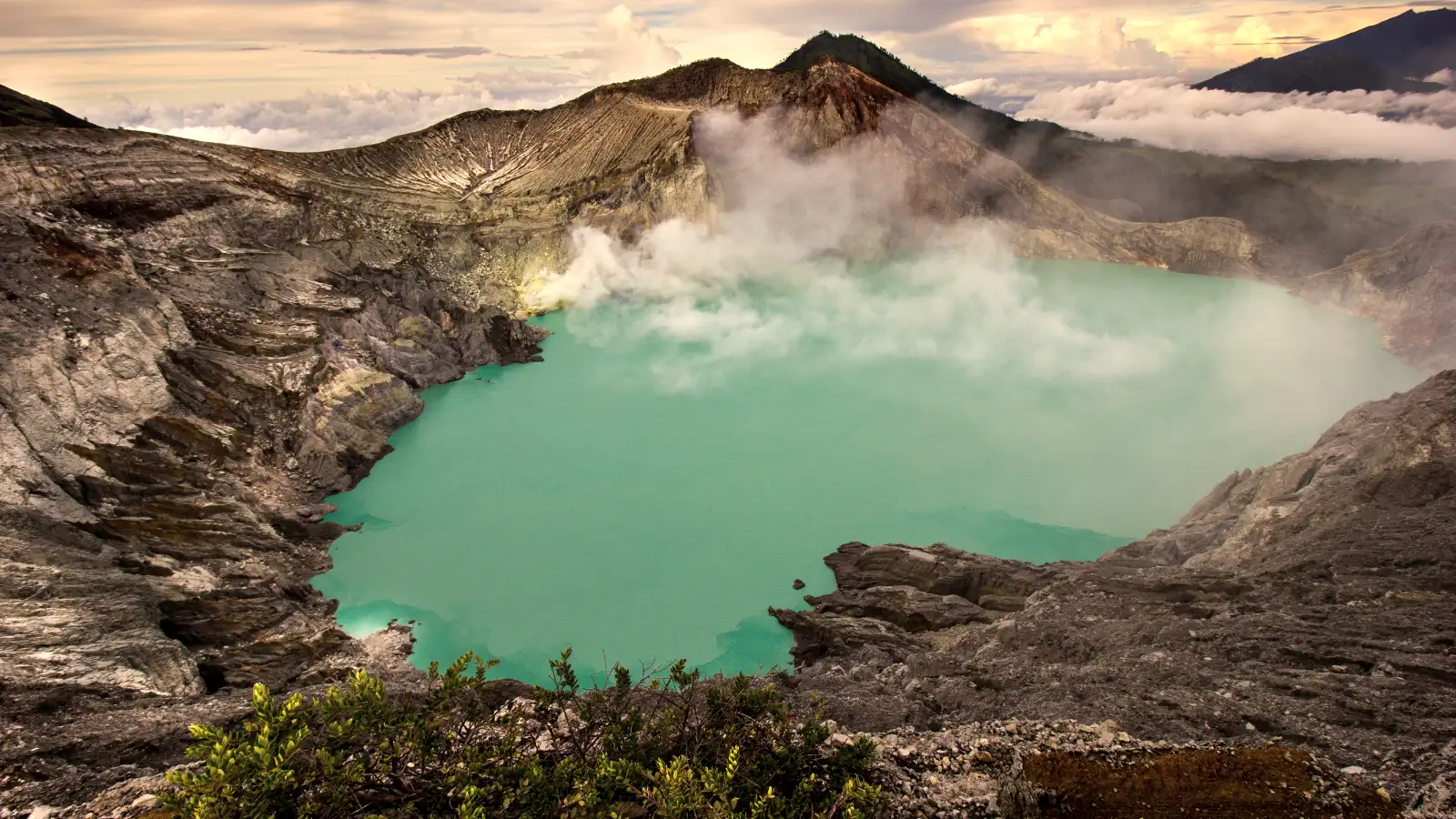
In addition, most tours begin around midnight to reach the crater for the blue fire phenomenon and sunrise. Moreover, this timing allows you to see the miners starting their first shift of the day. To guarantee a smooth trip from your hotel, you can book your midnight trek with our experienced logistics team.
Respectful Interaction
Furthermore, always yield the path to the miners as they have the right of way. Specifically, they are doing incredibly heavy work and stopping their momentum can be dangerous for them. If you wish to take a photo, it is polite to ask and perhaps offer a small tip or purchase a small sulfur carving. You can see pricing details for tours that include ethical guidance on how to interact with the local community.
Frequently Asked Questions
Q: Is it safe to visit the sulfur mining area?
A: Yes, as long as you wear a professional gas mask and follow the instructions of your local guide. Therefore, safety is our top priority when you explore booking options for our guided expeditions.
Q: What is the best time to see the miners in action?
A: Miners are most active during the early morning hours, between 3:00 AM and 9:00 AM. Consequently, arriving early ensures you see the full process from extraction to transport.
Q: Can I hike Ijen without a guide?
A: While technically possible, it is highly discouraged due to the unpredictable nature of volcanic gases and the complex trail. Moreover, having a guide provides essential context and supports the local economy.
Q: What should I wear for the Ijen trek?
A: You should wear warm layers, as the summit can be very cold before sunrise. Specifically, sturdy hiking boots and gloves are recommended for the rocky descent into the crater.
Q: How heavy are the sulfur loads?
A: On average, the loads weigh between 70kg and 90kg. Furthermore, some exceptional miners have been known to carry over 100kg in a single trip.
Continue Your Adventure
Ultimately, visiting Ijen is just the beginning of what East Java has to offer. For instance, you could join an Ijen tour starting from Banyuwangi or choose a full transfer from Bali for a seamless experience. If you are a fan of volcanic landscapes, our Bromo and Ijen combo tour provides the ultimate adventure across Java. Alternatively, consider an Ijen sharing tour to meet fellow travelers or a multi-day expedition from Surabaya for a deeper dive into the region’s natural wonders.
Ready for the Ultimate Volcanic Journey?
Don’t leave your Ijen experience to chance. Secure your spot with East Java’s most trusted trekking experts today.