Is Mount Ijen Active? Everything You Must Know Before You Go (2026 Update)
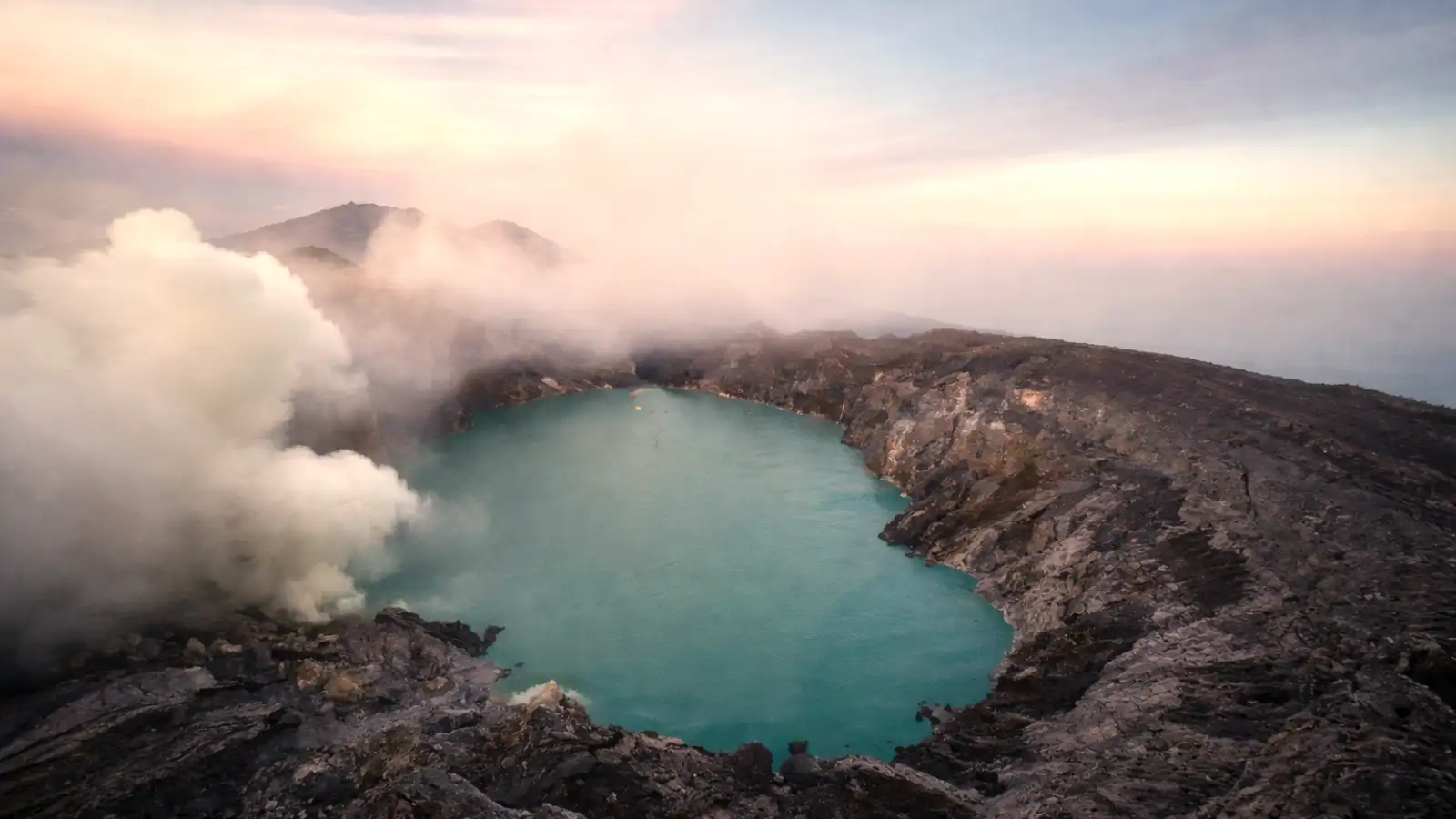
Standing on the jagged rim of a volcano at 2:00 AM is a surreal experience. However, the biting cold and the smell of sulfur often trigger a single, urgent question: is Mount Ijen active? For instance, many travelers feel a mix of adrenaline and anxiety as they gaze into the glowing abyss.
Consequently, understanding the volcanic status of this East Java icon is essential for your safety. Furthermore, knowing the current conditions helps you prepare for the legendary Ijen crater travel guide logistics. Therefore, this guide provides the expert data you need before booking your tour.
Specifically, we address the blue flame phenomenon and the world’s most acid lake. Meanwhile, we examine the volcanic gas safety protocols that protect thousands of visitors daily. Ultimately, our goal is to ensure your Kawah Ijen trekking adventure is both spectacular and secure.
What You Need to Know
💡 Quick Status Summary:
- ✅ Current Status: Active (Level 1: Normal or Level 2: Alert).
- ✅ Primary Hazards: Toxic sulfur gas and acidic water.
- ✅ UNESCO Status: Part of the Ijen UNESCO Global Geopark.
- ✅ Required Gear: Gas masks and sturdy hiking boots.
In This Guide
1. Understanding Ijen’s Volcanic Status
2. The Science of the Blue Fire
3. Safety Protocols & Gas Masks
4. The World’s Most Acidic Lake
5. Planning Your Expedition
6. Frequently Asked Questions
Why Trust This Guide
Our team consists of veteran East Java explorers and certified mountain guides. Moreover, we maintain daily communication with the Indonesian Center for Volcanology and Geological Hazard Mitigation (PVMBG). Consequently, we provide real-time updates that automated booking platforms often miss.
In addition, we have spent decades documenting the sulfur mining operations within the crater. Furthermore, our collaboration with local authorities ensures that our advice adheres to the strictest safety standards. Ultimately, your safety is our highest priority.
Understanding Mount Ijen’s Volcanic Activity
Mount Ijen is a complex volcano located on the border between Banyuwangi and Bondowoso. Specifically, it remains one of the most active systems in the Indonesian “Ring of Fire.” However, “active” does not mean it is constantly erupting lava.
Instead, Ijen’s activity manifests through intense solfataric action and seismic tremors. For instance, the volcano often releases large volumes of sulfur dioxide gas. Furthermore, the Mount Ijen eruption history shows that phreatic explosions—driven by steam—are the most common threat.
The Current Alert Levels
Indonesian authorities use a four-tier alert system to monitor volcanic threats. First, Level 1 (Normal) means hikers can usually access the crater rim and the lake floor. Meanwhile, Level 2 (Waspada) often results in the closure of the crater floor area.
Furthermore, Level 3 (Siaga) and Level 4 (Awas) indicate imminent danger and total evacuation. Consequently, always check the status before you begin your Mount Ijen hike tour. Moreover, conditions can change within hours due to underground pressure shifts.
Monitoring the Crater Lake
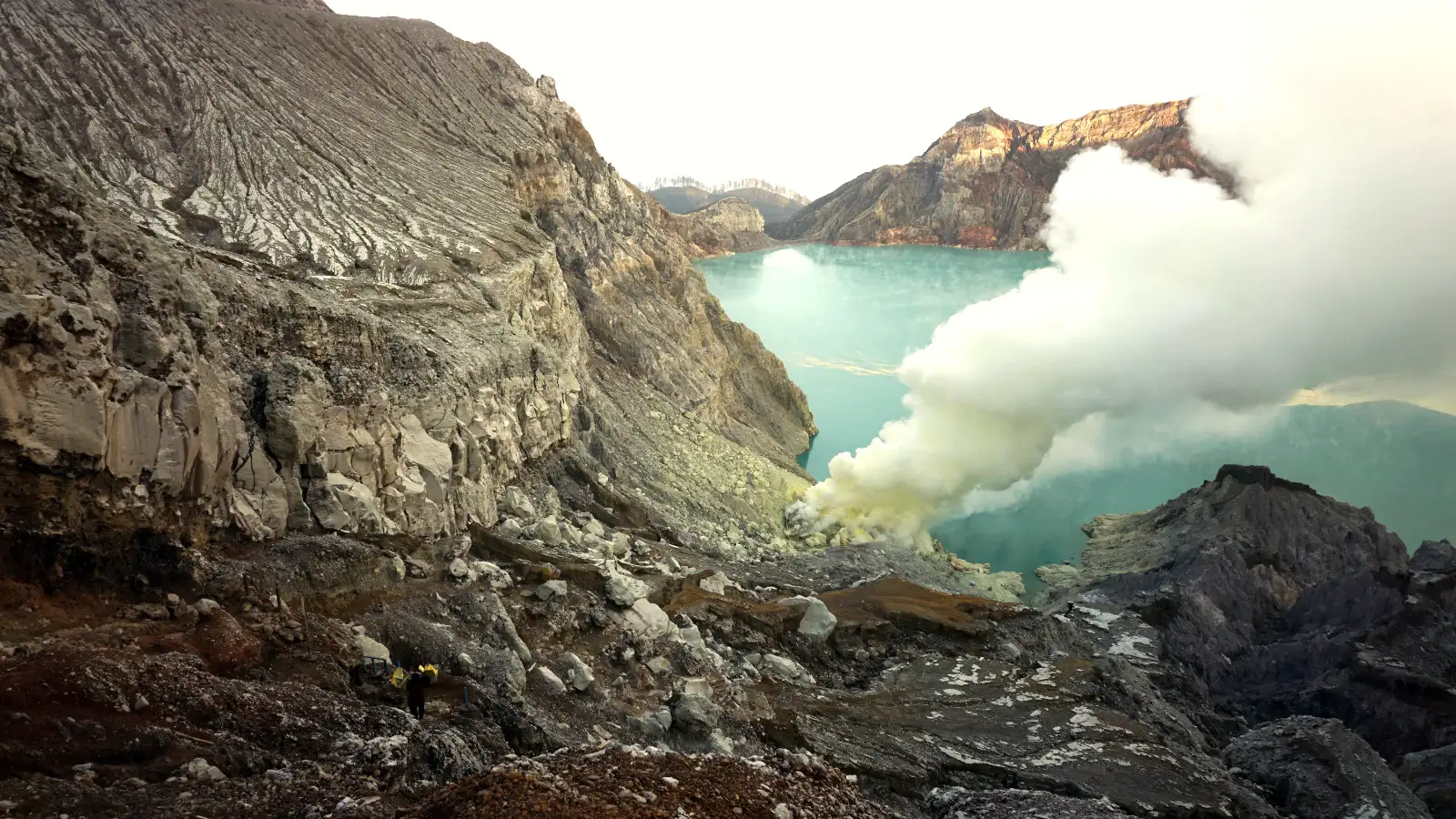
Scientists monitor the color and temperature of the lake water as a key activity indicator. For instance, a change from turquoise to grey or white often signals increased volcanic unrest. Additionally, bubbling on the lake surface suggests that gases are escaping from the magma chamber below.
Therefore, any unusual sightings should be reported to your guide immediately. Moreover, local sulfur miners in Ijen crater are often the first to notice these subtle changes. Consequently, their traditional knowledge is frequently combined with modern seismic data for better accuracy.
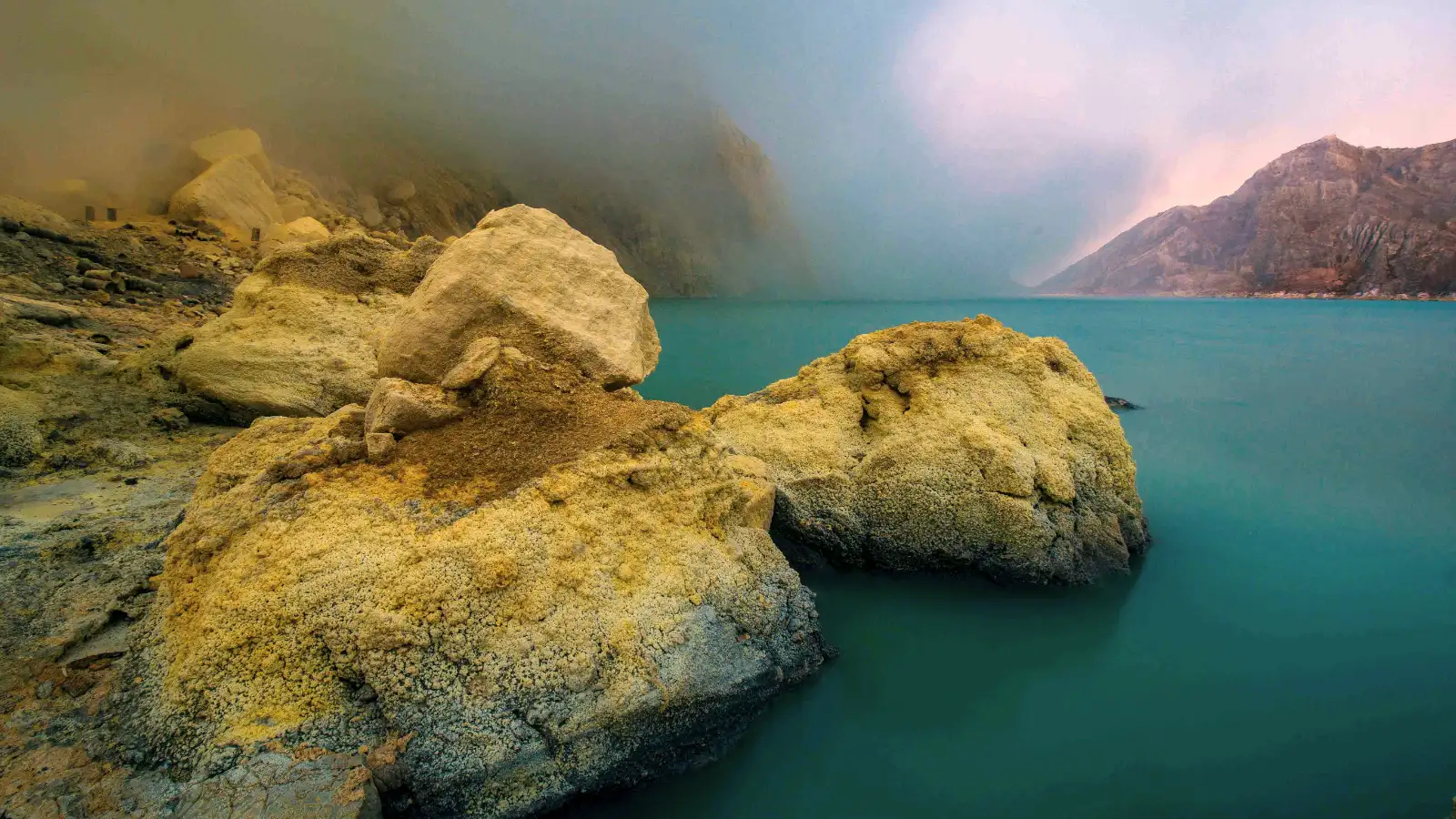
⚠️ Important Update: The appearance of the Blue Fire at Ijen Crater is highly unpredictable. It depends heavily on daily volcanic activity, gas density, and weather conditions. It is sometimes clearly visible, and sometimes not visible at all. To avoid disappointment, please contact us via WhatsApp to check the latest daily updates before you hike.
The Science of the Blue Fire Phenomenon
The famous “Blue Fire” is not actually lava, despite what many photos suggest. Specifically, it is the result of sulfuric gases emerging from cracks at extremely high temperatures. Furthermore, when these gases meet the oxygen-rich air, they ignite into brilliant blue flames.
However, this phenomenon is only visible in complete darkness. Consequently, hikers must begin their ascent at midnight to reach the crater floor before dawn. Moreover, the intensity of the flames depends on the concentration of sulfur escaping the earth’s crust.
Why the Fire is Blue
The blue color is a result of the chemical composition of the burning sulfur. Specifically, it is a high-energy combustion process that produces a sapphire-like glow. In addition, the flames can reach heights of up to five meters during periods of high activity.
Furthermore, the blue flame phenomenon is one of only two such occurrences in the world. Meanwhile, the other is located in Iceland, but it is far less accessible. Therefore, East Java hiking remains the premier way to witness this natural wonder.
🔥 Featured Expedition
Experience the electric blue flames and the golden sunrise with Java’s most trusted local experts. Our premium tours include professional gas masks and private transport from your hotel.
Safety Protocols: Staying Alive at the Rim
Visiting an active volcano requires more than just physical fitness. Specifically, volcanic gas safety is the most critical aspect of the trip. Moreover, the sulfur dioxide (SO2) emitted by the crater can cause severe respiratory distress if inhaled directly.
Therefore, wearing a professional-grade gas mask with an organic vapor filter is non-negotiable. Furthermore, your guide will monitor wind directions to keep you away from the densest smoke plumes. Consequently, staying with a group is much safer than venturing out alone.
Essential Equipment Checklist
First, ensure you have mandatory equipment like a headlamp and warm layers. However, many travelers underestimate the cold, which can drop to 5°C before sunrise. In addition, hiking boots with excellent grip are necessary for the steep, gravelly slopes.
Meanwhile, eye protection can help prevent irritation from the acidic mist. Furthermore, carrying enough water is vital, as the hike is physically demanding and dehydrating. Ultimately, being over-prepared is always better than facing the elements without the right gear.
The World’s Most Acidic Lake: A Chemical Marvel
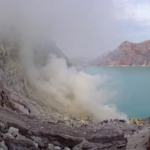
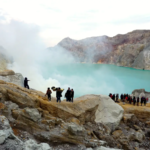
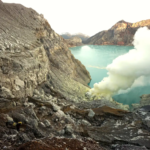
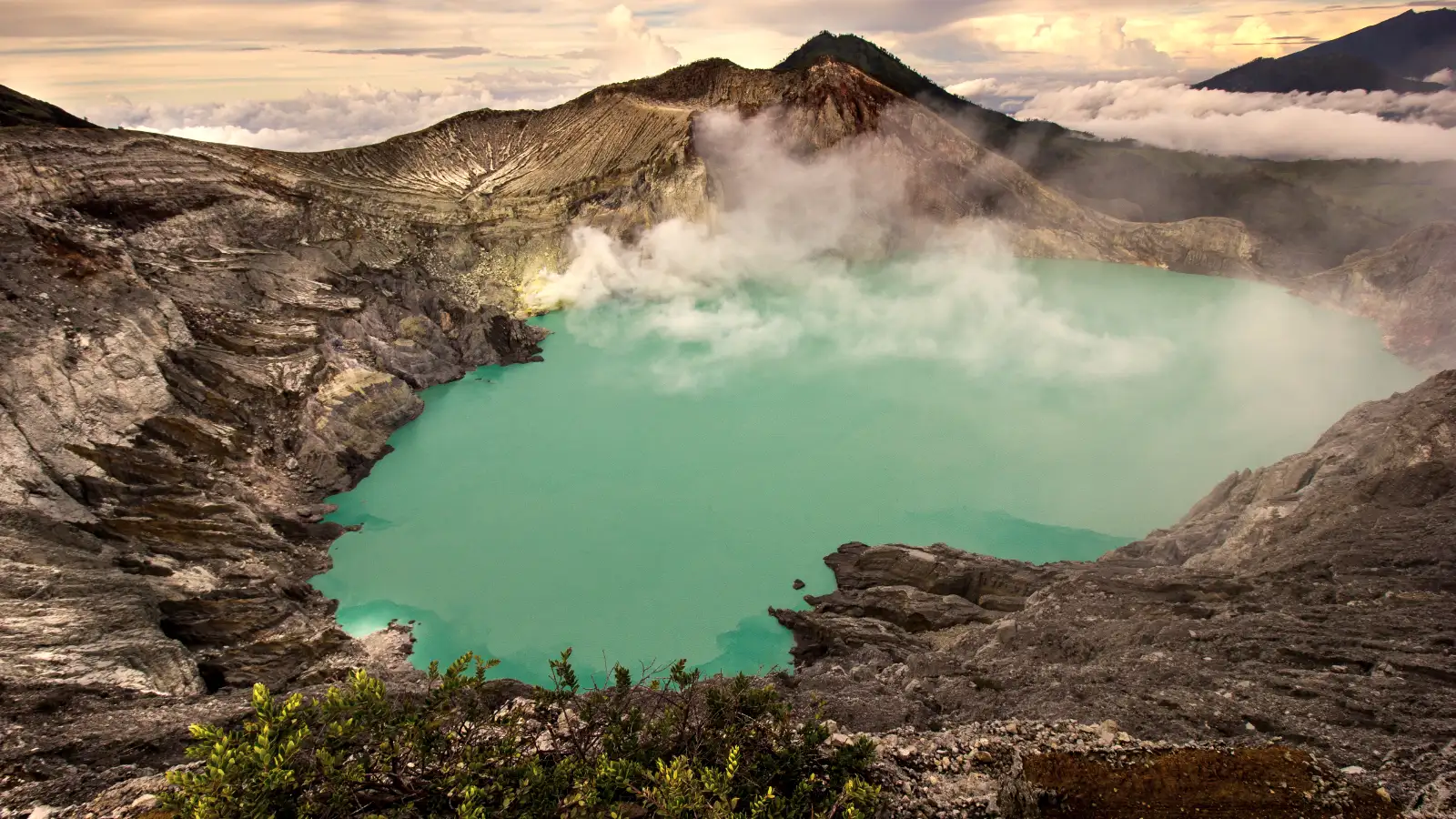
Kawah Ijen is home to a one-kilometer-wide turquoise lake that is both beautiful and deadly. Specifically, the water has a pH level of less than 0.5, making it the most acid lake on the planet. For instance, the concentration of sulfuric and hydrochloric acid is high enough to dissolve metal.
Consequently, touching the water is strictly forbidden for visitors. Furthermore, the lake acts as a giant condenser for the volcano’s magmatic gases. Meanwhile, the vibrant color is caused by the high concentration of dissolved metals and sulfur particles.
The Geology of the Acid Lake
The lake was formed within the caldera after a series of massive eruptions thousands of years ago. Specifically, it sits at an elevation of 2,148 meters above sea level. Moreover, the interaction between rainwater and volcanic gases maintains its extreme acidity.
Therefore, the lake serves as a natural laboratory for geologists worldwide. Furthermore, researchers frequently visit to study how life can exist—or fail to exist—in such harsh conditions. Consequently, it remains a focal point of the UNESCO Geopark initiative.
The Remarkable Life of Sulfur Miners
While you visit for leisure, hundreds of men work in the crater for their livelihood. Specifically, these sulfur miners in Ijen crater carry loads of up to 90kg on their shoulders. Moreover, they navigate the steep, treacherous path twice a day without sophisticated gear.
Therefore, it is important to show them respect and give them the right of way on the trail. Furthermore, many miners are happy to share stories or pose for photos in exchange for a small tip. Consequently, witnessing their daily struggle is often the most humbling part of the journey.
Planning Your Expedition from Banyuwangi or Bali
Most travelers choose to base themselves in the nearby town of Banyuwangi. Specifically, Ijen from Banyuwangi offers the shortest travel time to the trailhead. Moreover, the town has seen a surge in boutique hotels and luxury villas for discerning guests.
However, many visitors also choose a 1-day or 2-day excursion from Bali. Furthermore, this requires a ferry crossing and a midnight drive through the jungle. Consequently, booking a structured tour is the most efficient way to handle these complex logistics.
The Best Time to Visit
The dry season, typically from April to October, offers the clearest skies and safest trails. For instance, rain can make the volcanic ash slippery and dangerous. In addition, clear weather is essential for seeing the blue flame phenomenon in its full glory.
Meanwhile, the weekend crowds can be overwhelming, with thousands of local tourists arriving. Therefore, we highly recommend planning your hike on a Tuesday or Wednesday. Ultimately, a weekday visit ensures a more peaceful and immersive experience with nature.
Continue Your Adventure
East Java is a treasure trove of volcanic landscapes and hidden waterfalls. After you’ve conquered the Ijen crater, consider booking your tour for the next leg of your journey. Many of our guests enjoy a Mount Bromo tour to see the sunrise over the Sea of Sand. Furthermore, we offer a seamless Bromo and Ijen combination trip starting from Bali. Finally, don’t miss the chance to explore the towering Tumpak Sewu waterfall, often described as the most beautiful in Indonesia.
Frequently Asked Questions (FAQ)
Q: Is it safe to visit Mount Ijen right now?
A: Generally, yes. The volcano is continuously monitored, and authorities will close the park if activity levels become dangerous. Always check the latest daily status before your hike.
Q: Do I really need a gas mask?
A: Yes, absolutely. The sulfur gas is toxic and can be overwhelming depending on wind direction. A professional mask with an organic vapor filter is essential for your safety.
Q: How difficult is the hike?
A: The hike is moderately difficult. It involves a 3km uphill trek on a wide dirt path. The final descent into the crater floor is steep and rocky, requiring good balance and steady footing.
Q: Can I see the blue fire during the day?
A: No. The blue fire is only visible in the dark of night. By sunrise, the ambient light becomes too bright to see the glow of the burning gases.
Q: Is there an entrance fee for the national park?
A: Yes. The current entrance fee for international visitors is 100,000 IDR on weekdays and 150,000 IDR on weekends and public holidays. Prices are subject to change by the park authority.
Book Your Mount Ijen Adventure Today
Don’t leave your safety and logistics to chance. Join Ijen Expedition for a professional, secure, and unforgettable journey to the heart of Java’s most active wonder. Specifically, our local experts handle everything from transportation to top-tier safety gear.
WhatsApp: +62 857 4871 1646 | Email:ijenexpeditiontourandtravel@gmail.com