Ijen Blue Fire Update July 2026: The Honest Truth About Access and Safety
Planning a trip to see the electric-blue flames of East Java can feel like a gamble. Specifically, many travelers are currently worried about whether the crater floor remains accessible or if local authorities have shut it down. If you are scouring the internet for a straight answer, you are in the right place.
However, the reality of volcanic tourism is that conditions change by the hour. Therefore, before you book that flight to Banyuwangi or hop on a ferry from Bali, you need the most recent data on the ground. In addition, knowing the current status of the check current availability is essential for a stress-free adventure.
Furthermore, this guide breaks down exactly what is happening at the crater rim and the sulfur mines right now. Ultimately, we want to ensure you don’t wake up at 2 AM only to be met with a “closed” sign at the trailhead.
What You Need to Know
💡 Current Status: The Ijen Crater rim is generally open for sunrise trekking, but the descent to the Blue Fire is subject to daily gas level readings. Specifically, the local government may restrict crater floor access if sulfur dioxide levels rise. Moreover, you should reserve your local guide who has real-time radio contact with park rangers.
In This Guide
1. The Current Access Status
2. Understanding the Blue Fire Science
3. Essential Gear and Safety Rules
4. How to Get There: Bali vs. Surabaya
5. Why Trust This Guide
6. Frequently Asked Questions
The Current Status of Ijen Crater
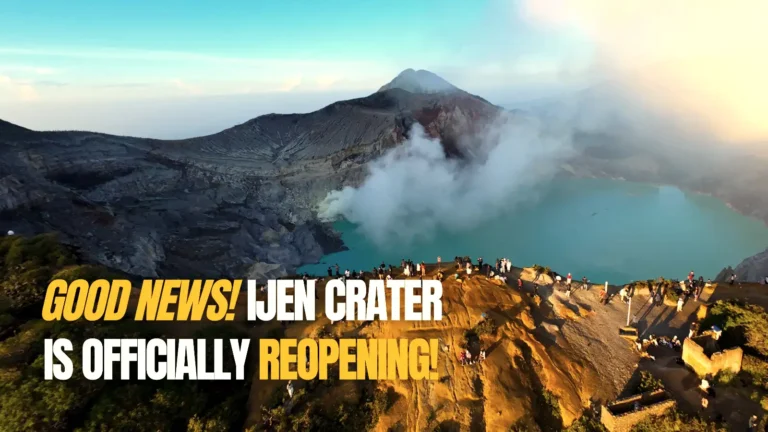
First, it is important to clarify that “closed” can mean several different things when talking about Mount Ijen. Sometimes, the entire national park is shut down due to extreme volcanic activity. However, more often, only the path down to the crater floor—where the blue fire lives—is restricted.
Furthermore, authorities monitor the gas density every single night. If the wind is blowing toxic fumes toward the hiking path, they will block the descent for safety reasons. Consequently, you can still hike to the rim and see the sunrise, even if the blue fire is off-limits.
Monitoring Volcanic Activity Levels
Specifically, the Indonesian Center for Volcanology and Geological Hazard Mitigation (PVMBG) sets the alert levels. Currently, the volcano is at a “Normal” to “Advisory” state, which allows for regular tourism. Moreover, the park usually opens at 2:00 AM for hikers wanting to catch the nocturnal display.
In addition, the local BKSDA (Natural Resources Conservation Agency) sometimes implements monthly “rest days.” For instance, the park might close on the first Friday of every month to allow the ecosystem to recover. Therefore, always check the view our comprehensive package for updated schedules.
Meanwhile, the sulfur miners continue their grueling work regardless of most minor gas fluctuations. Observing their strength as they carry 80kg loads is a humbling experience. Ultimately, their presence is often a good indicator of whether the crater floor is physically safe to enter.
What Causes the Blue Fire Phenomenon?
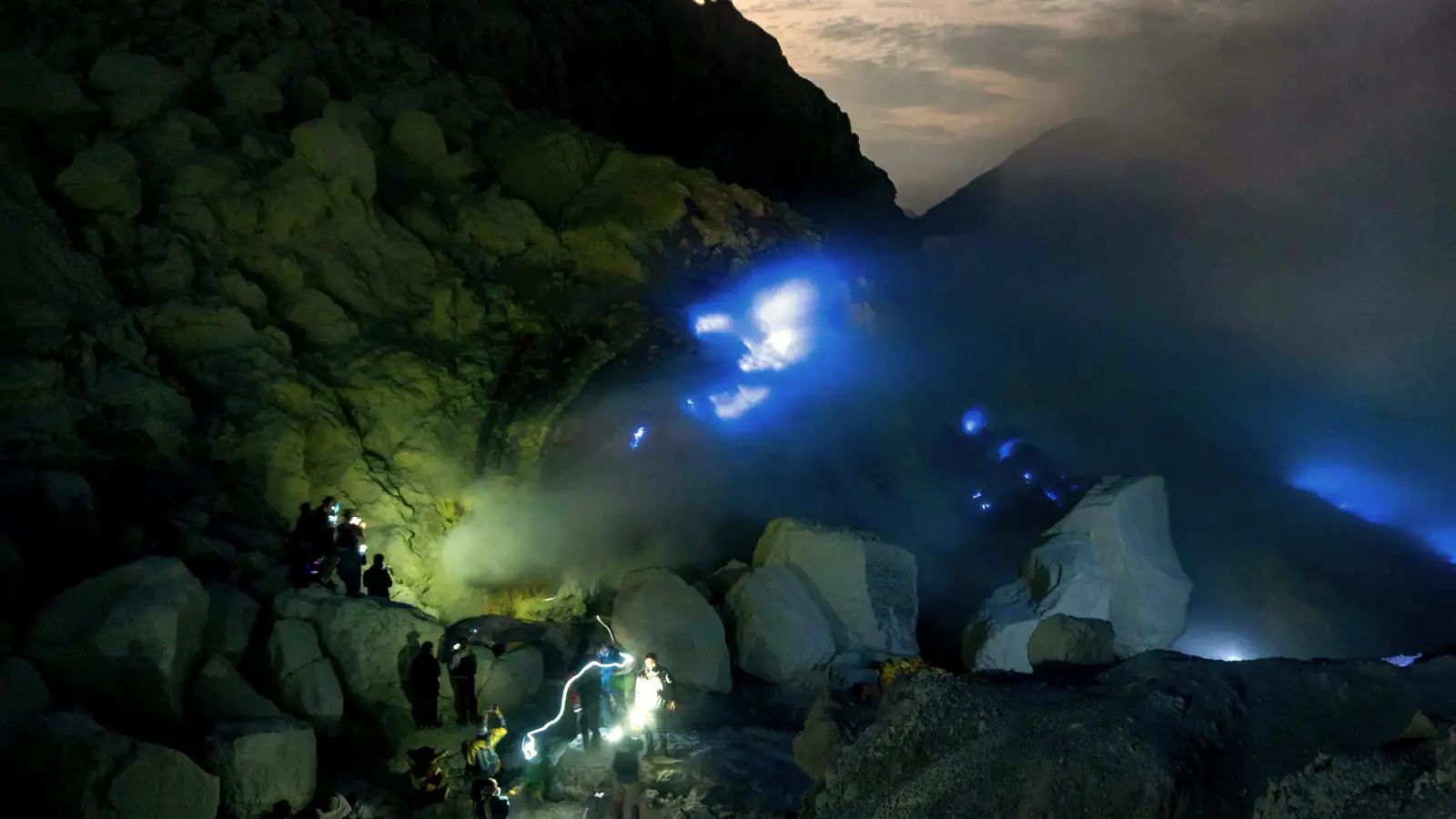
Many travelers mistakenly believe the blue fire is actual lava. In reality, it is a chemical reaction involving high-pressure sulfuric gases escaping from volcanic vents. Furthermore, these gases ignite when they hit the oxygen-rich air at temperatures above 600 degrees Celsius.
Specifically, the “fire” is actually burning sulfur gas that appears as liquid neon-blue flames flowing down the mountainside. Therefore, it is only visible in complete darkness. Once the sun begins to peek over the horizon, the blue glow fades into the standard yellow and grey of the volcanic landscape.
The World’s Largest Acid Lake
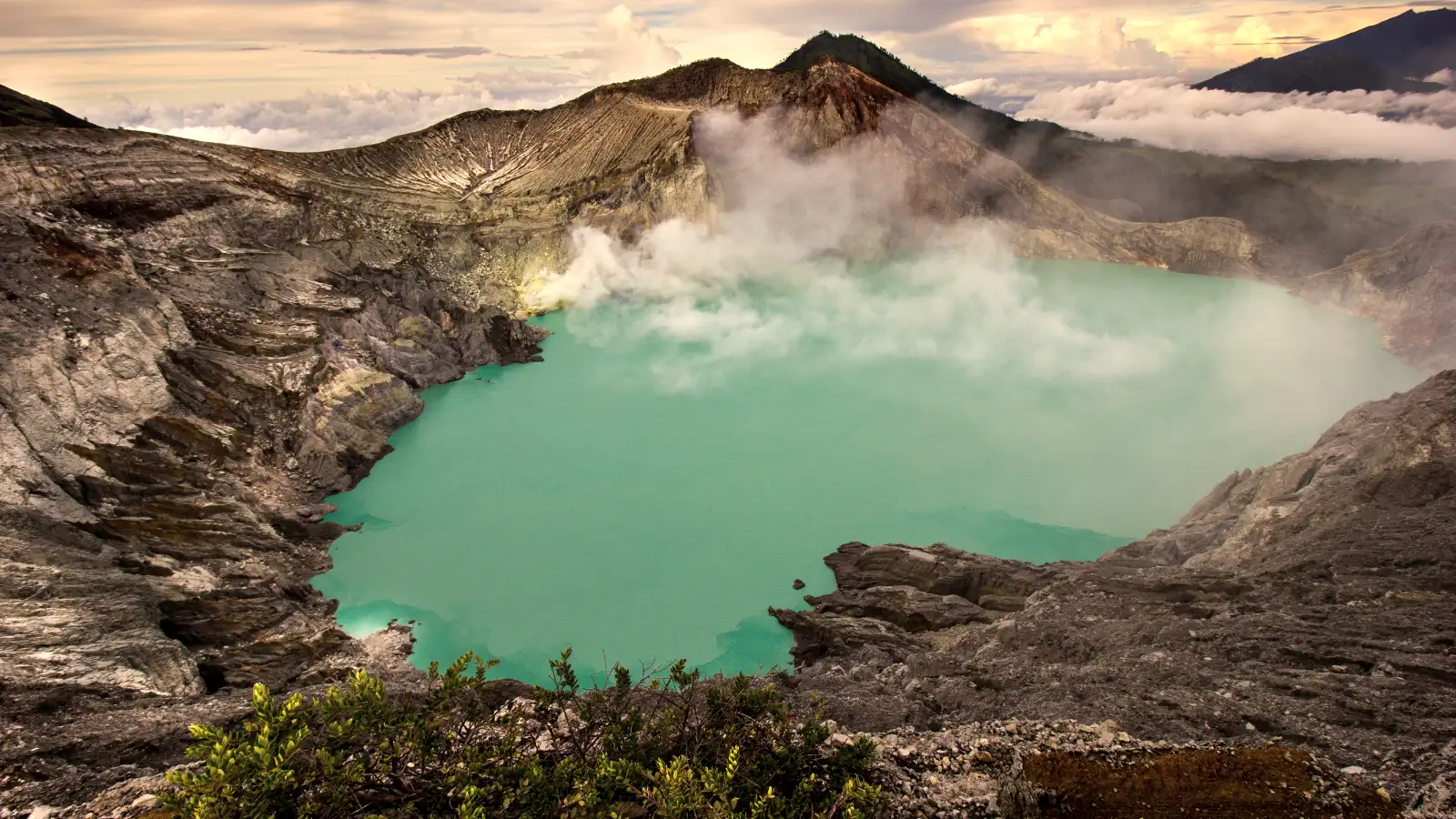
Moreover, Ijen is home to the world’s largest highly acidic crater lake. The water has a pH similar to battery acid, which gives it a stunning turquoise color. However, you must never attempt to touch the water, as it is extremely corrosive and dangerous.
Additionally, the lake plays a huge role in the local climate within the crater. It traps heat and contributes to the thick steam that often swirls around the basin. Consequently, the combination of blue fire, the turquoise lake, and white steam creates a landscape that feels like another planet.
For instance, the Ijen UNESCO Global Geopark status highlights the geological significance of this area. As a result, there are strict conservation rules in place to protect this unique environment. Ultimately, your visit helps support the preservation of one of Earth’s most bizarre natural wonders.
🔥 Featured Expedition
Experience the ultimate adventure with our top-rated guided trek. We handle all the logistics, gas masks, and permits so you can focus on the view.
Essential Gear for a Safe Ijen Hike
First, you cannot underestimate the importance of a professional gas mask. Specifically, the sulfur dioxide fumes can cause immediate respiratory distress if you are downwind. Furthermore, simple surgical masks or N95 masks are completely useless against volcanic gases.
However, most reputable tour operators provide high-quality respirators with specialized filters. Moreover, you should check that the seal around your face is tight before you begin the descent. In addition, you can read more about mandatory equipment for Ijen to be fully prepared.
Layering for the Cold
Specifically, the temperature at the base of the mountain might feel tropical, but the summit is a different story. It often drops to 5-10 degrees Celsius before dawn. Therefore, wearing moisture-wicking layers and a windproof jacket is highly recommended.
Additionally, sturdy hiking boots with good grip are non-negotiable. The path down to the blue fire is steep, rocky, and can be quite slippery due to loose gravel. Consequently, many travelers find that using trekking poles provides much-needed stability on the uneven terrain.
Meanwhile, don’t forget a powerful headlamp. You will be hiking in pitch-black conditions for at least 90 minutes. Using your phone flashlight is not ideal because you need your hands free to navigate the steeper sections of the trail. Ultimately, being well-equipped is the difference between a magical night and a miserable one.
Planning Your Logistics: How to Get to Ijen
First, the most common entry point for Ijen is the city of Banyuwangi. Specifically, it is just a short ferry ride from West Bali (Gilimanuk). Therefore, many backpackers choose to base themselves here for a few days to explore the surrounding waterfalls and beaches.
However, if you are coming from Java, you might arrive via the train from Surabaya or Probolinggo. Moreover, the drive from Surabaya to Ijen takes roughly 6 to 7 hours, depending on traffic. Consequently, many travelers opt for a book your midnight trek to save time and energy.
Taking the Ferry from Bali
Specifically, the ferry runs 24/7 and is very affordable. Once you reach Ketapang Port in Banyuwangi, you can easily find transport to the Paltuding base camp. Furthermore, if you are staying in Bali, there are many tours from Bali to Ijen that include all transfers.
In addition, the hike from the parking area to the crater rim takes about 1.5 to 2 hours. The trail is wide and well-maintained for the first two-thirds of the journey. However, the final stretch becomes quite steep. As a result, you should pace yourself and stay hydrated throughout the climb.
Specifically, for those who find the hike too strenuous, there are “human trolleys” available. Local sulfur miners will push/pull you up the mountain for a fee. This service provides extra income for the miners while making the summit accessible to everyone. Ultimately, there are ways for everyone to enjoy the view regardless of fitness level.
Why Trust This Guide?
First, we are a locally based trekking agency with over a decade of experience on the slopes of Mount Ijen. Specifically, our guides are on the crater rim every single day. Therefore, we receive real-time updates on volcanic activity and path closures directly from the park rangers.
Moreover, we prioritize safety and sustainable tourism above all else. We ensure all our travelers use high-end equipment and follow the official park regulations. Furthermore, our deep connection with the local sulfur mining community allows us to provide a cultural perspective you won’t find in generic guidebooks.
In addition, we keep our data evergreen by constantly communicating with the BKSDA authorities. If there is a sudden closure or a change in permit fees, we are the first to know. Consequently, you can trust our advice to be accurate, practical, and focused on giving you the best possible experience in East Java.
Frequently Asked Questions
Q: Is the Blue Fire always visible?
A: No, it depends on gas levels and weather. On rainy nights or during high volcanic activity, the blue fire may be hidden by steam or restricted for safety. You should see pricing details for tours that include a backup sunrise plan.
Q: What is the best time of year to visit?
A: The dry season (April to October) offers the best visibility and safer trail conditions. During the rainy season, the descent can be dangerously slippery.
Q: Do I really need a guide for Ijen?
A: While you can hike solo, a guide is highly recommended for safety, gas mask fitting, and navigating the crater descent in the dark. They also provide crucial info on the risks of sulfur gas.
Q: How much does the entrance fee cost?
A: The current rate for international tourists is 100,000 IDR on weekdays and 150,000 IDR on weekends/holidays. This does not include guide fees or transport.
Q: Can I visit Ijen if I have asthma?
A: It is generally not recommended to descend into the crater if you have respiratory issues. However, you can still enjoy the sunrise from the rim where the air is much clearer.
Continue Your Adventure
If you’re already in East Java, why stop at Ijen? The region is packed with volcanic wonders and lush waterfalls. You could embark on a combined Bromo and Ijen expedition to see two of Indonesia’s most iconic peaks. For those starting in Bali, our three-day cross-island tour is the perfect way to see the highlights without the stress of planning. If you are short on time, a shared midnight trek from Banyuwangi is an excellent budget-friendly choice. Those looking for a deep dive should consider the ultimate waterfall and volcano circuit. Finally, check out the Surabaya to Ijen connection for a seamless transition from the city to the wilderness.
Ready for Your Ijen Adventure?
Don’t leave your trip to chance. Join the most trusted local experts and secure your spot today!